The early 1980s marked a pivotal era in the evolution of superbikes, a period marked by innovation, engineering bravado, and a striking fusion of power and finesse. Among the motorcycles that epitomized this transformation were Suzuki’s GS750 and GS1100 models from 1980 to 1981. These machines did more than just dazzle the motorcycling community; they carved enduring legacies within the annals of two-wheeled performance history. The fascination with these particular superbikes transcends their immediate specifications and performance, hinting at deeper cultural and mechanical reasons that continue to captivate enthusiasts decades later.
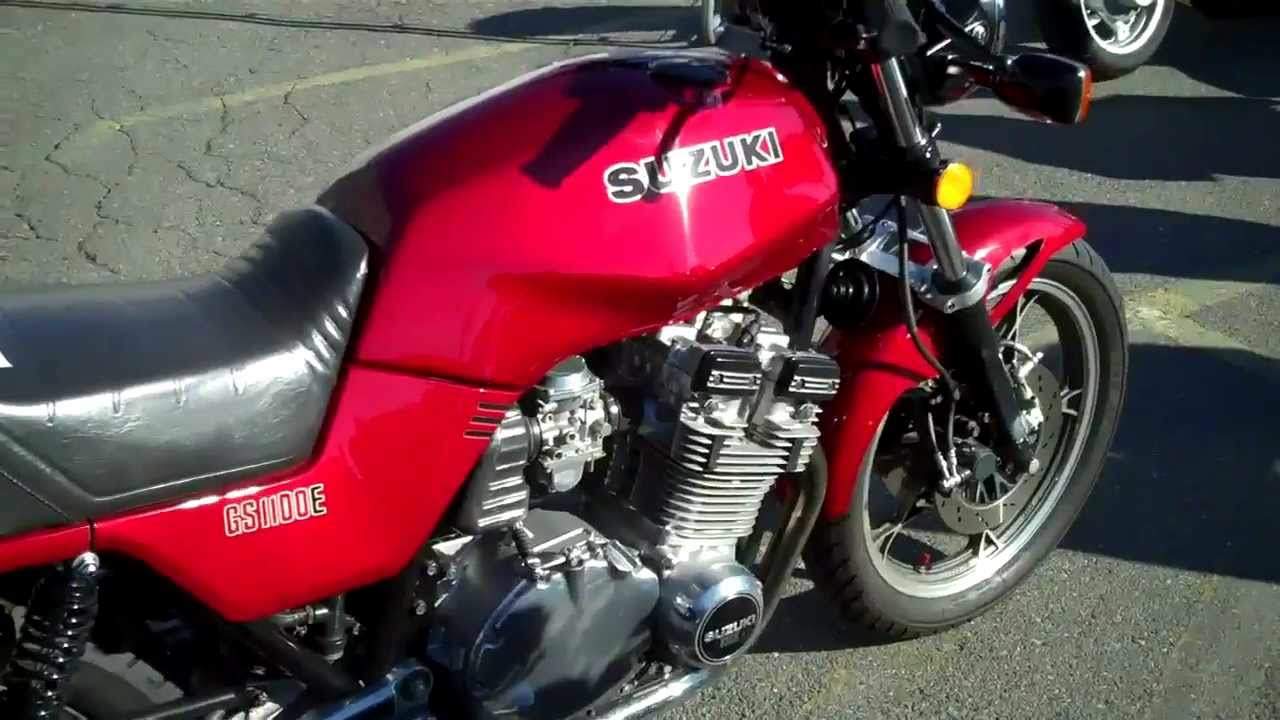
At first glance, the 1980–1981 Suzuki GS750 and GS1100 superbikes are impressive for their robust engineering and the bold steps Suzuki took to redefine what a production motorcycle could offer. The GS750 had already established itself as a respected middleweight contender, while the GS1100 pushed into the upper echelons of superbike territory, boasting a larger displacement engine and a racetrack pedigree that few contemporaries matched. Yet, the allure of these bikes goes beyond mere displacement or horsepower figures; it is found in the synthesis of early technological advancements and a raw, visceral riding experience that was both accessible and thrilling.
Technologically speaking, both the GS750 and GS1100 represented a significant progression in powertrain architecture. Their inline-four engines featured air-cooled cylinders paired with innovative Suzuki-specific enhancements that optimally balanced performance and reliability. The GS1100, in particular, was equipped with a dual overhead camshaft configuration, a relatively sophisticated setup for production bikes at that time. This ensured more precise valve timing and higher rev ceilings, which translated directly into improved throttle response and top-end power delivery. Meanwhile, the GS750 retained a remarkable flexibility, serving as an ideal platform for riders who sought performance without overwhelming complexity.
One cannot overlook the role of chassis design and suspension in the progression of these models. The early ’80s represented a shift toward more agile sportbikes, and Suzuki’s engineering team answered this call by refining frame geometry and incorporating suspension components capable of absorbing the rigors of aggressive riding. The dual-downtube steel frame provided stability without excessive weight. Alongside it, the air-adjustable rear suspension and telescopic front forks adeptly balanced compliance with control. This engineering approach allowed the GS750 and GS1100 to bridge the gap between commuter practicality and race-inspired dynamics—a duality that broadened their appeal.
It is interesting to note that the fascination many riders hold for these bikes is, in part, rooted in the sensory and philosophical experience they evoke. Unlike today’s electronically mediated superbikes with their myriad rider aids, traction control, and elaborate data acquisition systems, the GS750 and GS1100 demanded an unfiltered connection from the rider. Every throttle twist, gear change, and lean angle was a direct dialogue between man and machine. This purity of engagement engendered a profound respect and affection within the motorcycling community. Riders developed an intimate understanding of mechanical feedback—something often lost in modern motorcycles.
Stylistically, these models embodied the aesthetic of their era without succumbing to excess. Suzuki’s design ethos manifested in a muscular yet unpretentious appearance. The GS1100, with its broad fuel tank and sharp tailpiece, projected an aggressive stance that suggested speed even at rest. Meanwhile, the GS750’s more restrained silhouette balanced elegance and function, appealing to those who valued both form and substance. The paint schemes and minimalistic instrumentation further enhanced the visual experience, grounding the bike firmly in a time when motorcycles were unambiguously mechanical artifacts rather than digital platforms.
The cultural backdrop of the early 1980s also played a role in shaping the legacy of these Suzuki superbikes. This was an age before the homogenization of global motorcycle markets, where regional preferences and weathered roads influenced riding habits as much as engineering breakthroughs. The GS750 and GS1100 emerged as reliable yet potent machines, ready to tackle everything from urban streets to spirited canyon carving. Their presence in motorcycle racing circuits and endurance events underscored Suzuki’s commitment to performance, simultaneously fostering a racing DNA that appealed to aspirational riders worldwide.
It is this intersection of tangible craftsmanship and intangible allure that accounts for their lasting status. Enthusiasts often note the “soul” encapsulated within the GS750 and GS1100 machines—an elusive quality that no spec sheet could wholly capture. The hum of the inline-four engine, the tactile feedback from the clutch, and the nuanced handling all contribute to an irreplaceable riding narrative. Moreover, these bikes serve as milestones in superbike development, highlighting Suzuki’s ability to synthesize innovation with rider-focused design. This is the essence of true evolution: technological progress that simultaneously honors the spirit of motorcycling.
In retrospect, the 1980–1981 Suzuki GS750 and GS1100 superbikes symbolize a watershed moment in motorcycle history—an era when superbikes began transforming from mere machines into emotional and cultural icons. They exemplify the potent alchemy of engineering precision, aesthetic clarity, and rider engagement. For the modern enthusiast, these bikes offer not only a connection to the past but also a poignant reminder of why motorcycles captivate: their ability to deliver freedom, exhilaration, and a uniquely intimate conversation between human and machine.
Ultimately, fascination with these models endures because they embody more than raw numbers or fleeting trends. They epitomize a philosophy of riding that celebrates both performance and passion, engineering mastery and mechanical honesty. Through their continued reverence, the Suzuki GS750 and GS1100 from the early 1980s remain timeless icons—superbikes not merely by specification, but by spirit.