Throughout the annals of motorcycling history, certain machines transcend their utilitarian purpose to embody timeless allure and functionality. The 1982 Honda XR200 and XL250 are quintessential examples of such motorcycles—vintage trail kings whose enduring charm and versatility continue to captivate enthusiasts and collectors alike. These models, forged during a pivotal epoch of off-road motorcycling, represent a synthesis of rugged engineering, approachable performance, and an authentic connection to the spirit of trail riding. Observing their sustained popularity today prompts an investigation into not only their mechanical virtues but also the cultural and emotional resonance they command.
The early 1980s marked a blossoming period for trail motorcycles, characterized by an increasing appetite for reliable, nimble, and user-friendly machines capable of tackling both urban environments and the unpredictable wilderness. Honda, with its storied legacy of innovation and reliability, was ideally positioned to meet this demand. The XR200, a lightweight dirt bike, and the XL250, a versatile trail model, each offered distinct yet complementary experiences, capturing the imagination of a diverse rider base eager for adventure without sacrificing dependability.
At a glance, the 1982 Honda XR200 presents as a minimalist masterpiece. Its modest 195cc four-stroke engine might seem unassuming but delivers a lively powerband conducive to trail exploration and technical riding at slower speeds. The XR200’s lightweight frame and suspension geometry underscore its purpose: agile navigation over uneven terrain, rock gardens, and root-strewn paths. Its rugged construction—a hallmark of Honda’s engineering ethos—translates into durability still revered today. Parts are plentiful, maintenance is comparatively straightforward, and the bike’s capability encourages confidence among novice and seasoned riders alike.
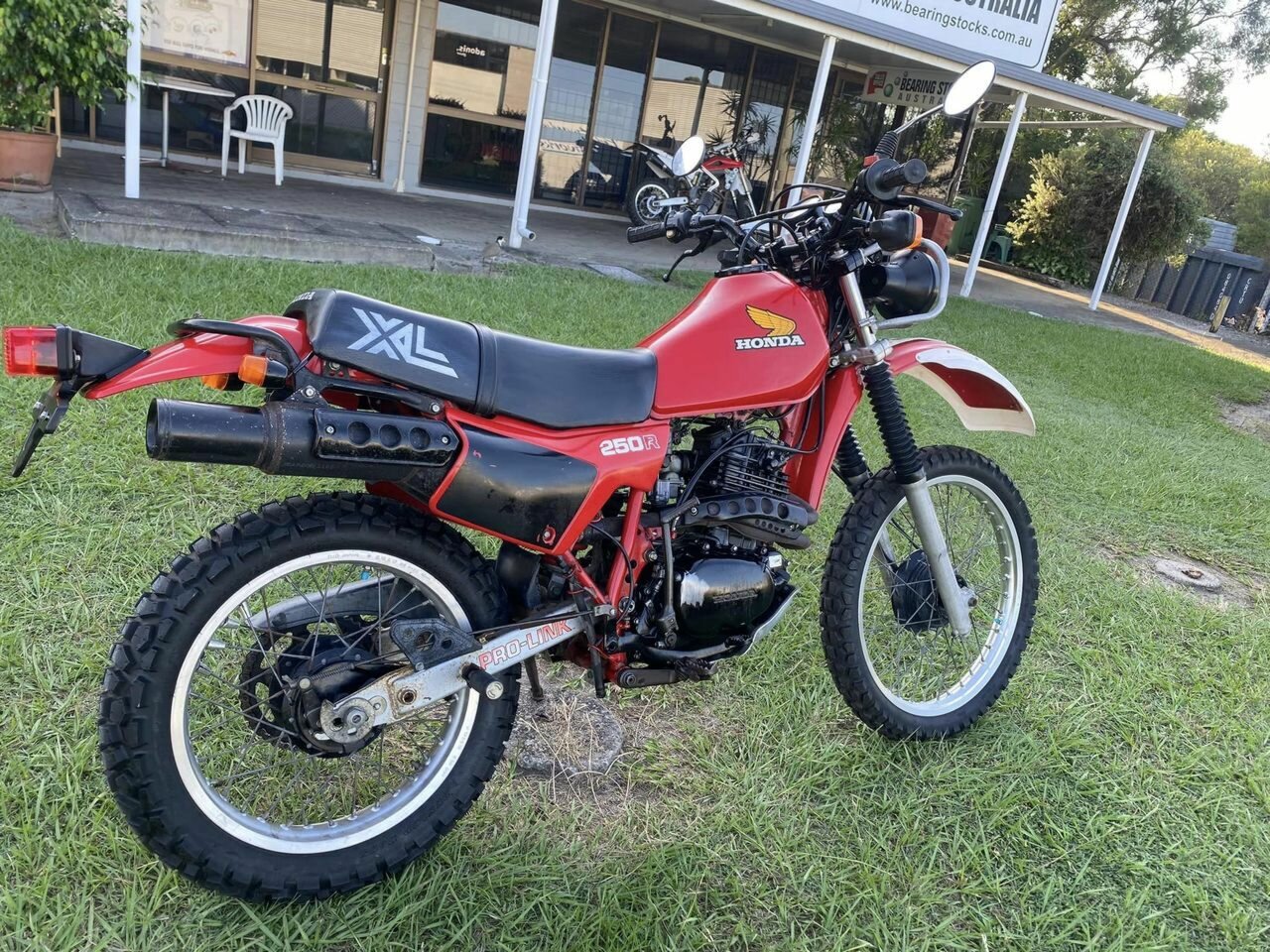
Conversely, the 1982 XL250 occupies a niche that straddles the line between trail machine and daily commuter. Sporting a larger 248cc four-stroke engine, the XL250 possesses a smoother, more progressive power delivery that facilitates extended trail rides and on-road journeys with relative ease. Its dual-purpose design, evident in its street-legal features such as turn signals and a robust lighting system, broadened its appeal to riders who demanded versatility. The XL250’s comfortable ergonomics, combined with its forgiving handling, provided an accessible platform that welcomed exploration without intimidation.
More than mere mechanical blueprints, these motorcycles encapsulate a zeitgeist defined by freedom and self-reliance. The XR200 and XL250 invite riders into a tactile communion with their environment, amplifying the allure of unexplored trails and open landscapes. Their design philosophy champions modular simplicity, inviting customization and adaptation—traits that endear them to hobbyists who relish restoration projects or seek to tailor machines to personal tastes. The motorcycles’ analog nature, bereft of today’s technological convolutions, resonates with those yearning for an unfiltered, visceral riding experience.
This enduring fascination also stems from a broader cultural undercurrent. The 1980s represented a crucial period when off-road motorcycling transitioned from niche sport to mainstream recreation. The XR200 and XL250 were instrumental in democratizing trail riding, making it accessible to younger individuals and those outside fiercely competitive circles. This democratization fostered a grassroots ethos among riders, one predicated on community, exploration, and a shared respect for nature’s rugged terrain.
It is not solely nostalgia that keeps these machines relevant. Their engineering remains remarkably practical. The XR200’s air-cooled engine, while simple, demonstrates robust dependability that modern riders appreciate in an age of increasingly complex mechanical systems. Likewise, the XL250’s balance of power, weight, and suspension travel strikes a harmony that modern trail bikes sometimes eschew in pursuit of extreme performance metrics. Owning and riding such vintage models often becomes a deliberate rejection of obsolescence, a conscious embrace of mechanical artistry and enduring functionality.
Distinguishing these trail kings further is their aesthetic identity. The 1982 iterations feature clean, purposeful lines and minimalist bodywork, exuding a no-nonsense aura. The XL250, with its iconic angular fuel tank and bold graphic schemes of its era, simultaneously evokes ruggedness and a spirit of adventure. This visual simplicity contrasts sharply with the often over-engineered and plastic-heavy appearances of contemporary motorcycles, lending them a silhouette that stands proudly apart and invites admiration even when stationary.
The cyclical resurgence of vintage motorcycles in popular culture has also helped maintain the XR200 and XL250’s cachet. Shows, rallies, and dedicated forums celebrate these models, serving as bastions for preservationists and riders alike. Connections forged through such communities underscore a reverence that transcends mere motorcycling—it is an appreciation of heritage, craftsmanship, and a shared, almost nostalgic yearning for unmediated experiences in motorized travel.
In addition, these bikes embody the symbiotic relationship between man and machine during a simpler era of technological evolution. In an age dominated by digital interfaces and ever-advancing electronics, the 1982 Honda XR200 and XL250 remind us of a tactile, intuitive engagement with riding. The physicality of shifting gears, managing throttle response, and negotiating trails through instinctive feedback makes every ride a highly personalized narrative rather than a pre-programmed interaction.
Equally important is their affordability and accessibility relative to both vintage and contemporary off-road motorcycles. For many newcomers to vintage trail riding, the XR200 and XL250 serve as attainable gateways into a world rich with history and riding pleasure. Their widespread parts availability and widespread documentation mean that riders can maintain and restore these models without prohibitive expense or expertise, ensuring their continued presence on trails and roads alike.
Ultimately, the 1982 Honda XR200 and XL250 endure not merely because of their mechanical qualities, but because they symbolize an ethos—a distilled essence of trail riding that balances capability, simplicity, and accessibility. They are motorcycles that whisper tales of endless trails conquered, friendships forged by campfires, and the tireless pursuit of freedom on two wheels. Their legacy endures, inviting new generations to experience the visceral joy and profound connection that only a truly classic trail bike can provide.
As the motorcycling landscape continues to evolve, these vintage trail kings offer a grounding reminder of the principles that have long defined the perfect ride: reliability, engagement, and the unfettered thrill of the open trail. The 1982 Honda XR200 and XL250 remain emblematic of these ideals, timeless companions that beckon riders to embrace both the history and future of trail exploration.