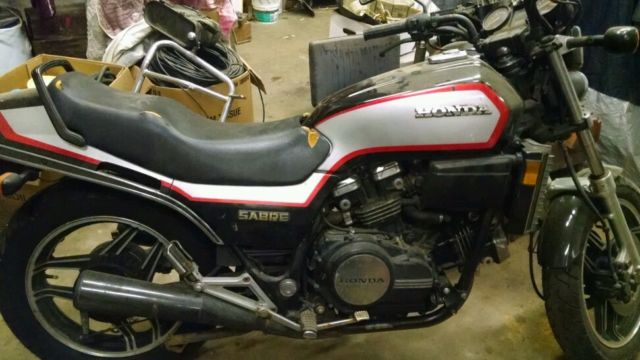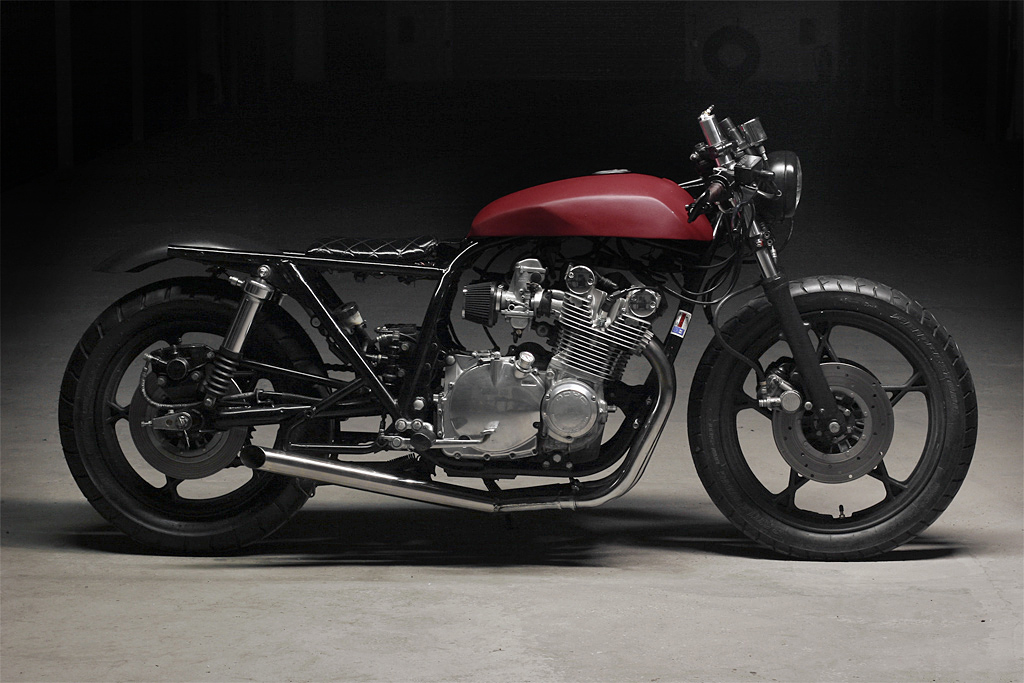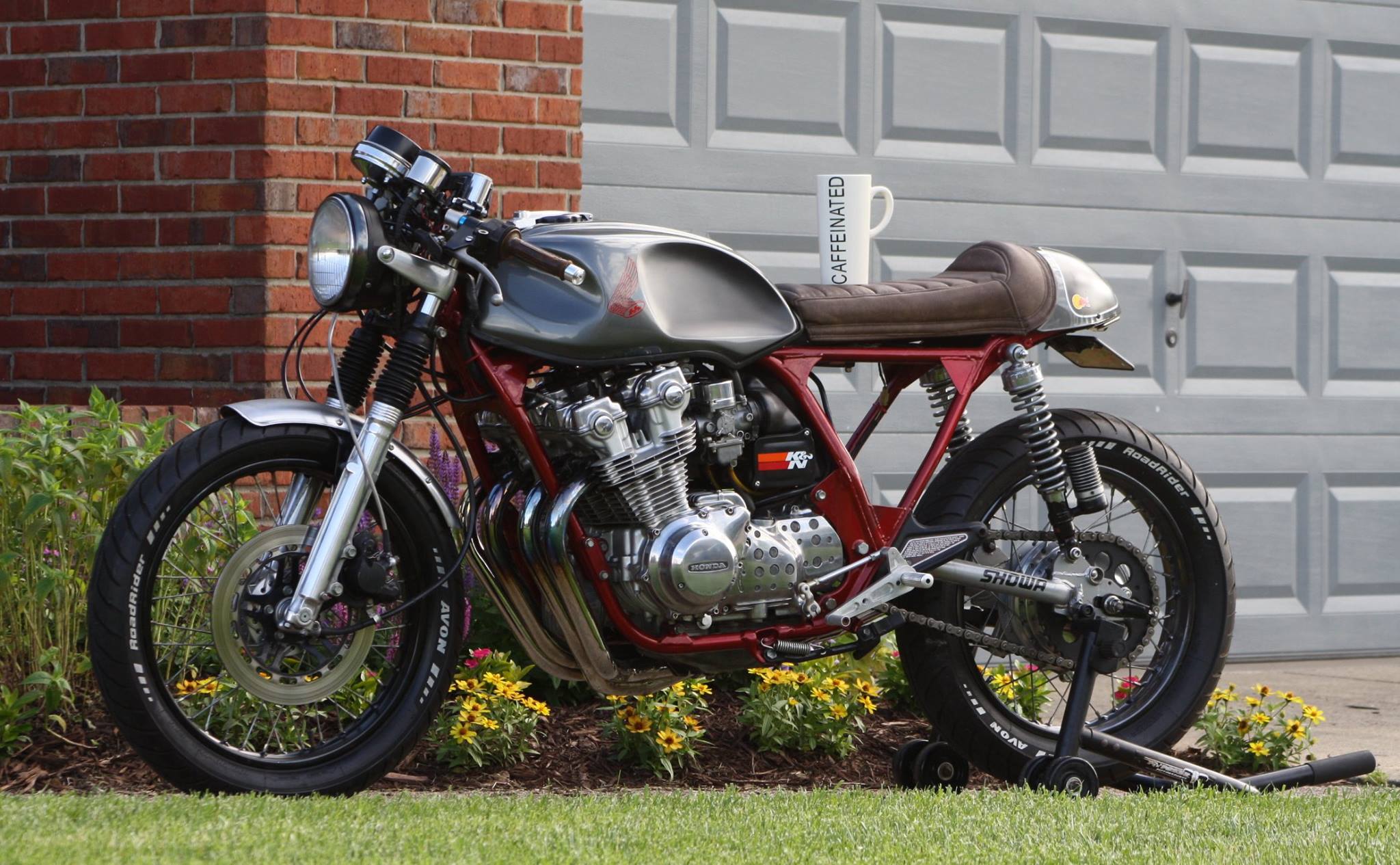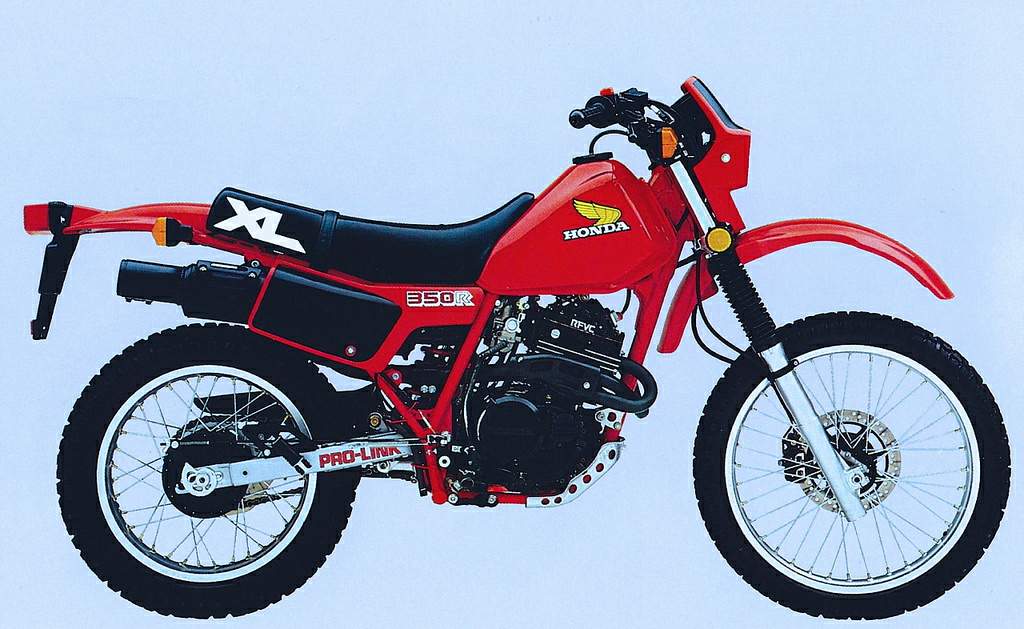
The 1984 Honda XL350 stands as a quintessential representation of vintage dual-sport motorcycles—an embodiment of rugged versatility and timeless engineering. Observing this machine is like peering back into a transformative era when motorcycles evolved not solely for pavement but for the unbridled terrains beyond city limits. Its enduring appeal is more than the sum of mechanical parts and nostalgic aesthetics; it taps into a deeper, almost primal allure of adventure, freedom, and precise craftsmanship that continues to captivate enthusiasts decades later.
At first glance, the XL350’s design strikes a harmonious balance between functional simplicity and purposeful ruggedness. The angular lines of its fuel tank and the minimalist frame reveal a design language focused on utility without sacrificing style. Unlike the flamboyance of contemporary motorcycles, the XL350 embodies an austere elegance. This is a machine built to traverse dirt tracks, forest trails, and winding backroads as competently as it cruises city streets, capturing the heart of the dual-sport ethos.
The heart of this classic lies within its 349cc four-stroke single-cylinder engine, a mechanical marvel emblematic of Honda’s engineering prowess in the early ’80s. This powerplant delivers a modest yet spirited output, which, when paired with the motorcycle’s relatively light frame, translates into an agile and responsive ride. The engine’s reliability contributes significantly to the XL350’s legendary status; riders often cite its forgiving nature and consistent performance as key to their enduring affection.
One cannot discuss the 1984 XL350 without highlighting its suspension system, which artfully bridges the gap between on-road comfort and off-road endurance. Featuring long-travel telescopic forks at the front and a Pro-Link rear suspension setup, the bike offers remarkable compliance over varied terrain, providing a confident ride whether dodging rocks on a trail or cruising over uneven pavement. This combination prefigured modern suspensions and underscored Honda’s commitment to multifunctional motorcycle design.
Another compelling facet of the XL350 lies in its ergonomics. The upright seating position, wide handlebars, and supportive seat create a commanding posture that enables riders to shift their weight effortlessly—critical for maintaining control when navigating technical terrain. The balance between rider comfort and control exemplifies thoughtful design, suggesting Honda’s acute understanding of rider dynamics that extends beyond raw horsepower or top speed.
Examining the instrumentation and controls reveals yet another layer of practicality. The straightforward dashboard includes an analog speedometer, odometer, and basic indicator lights—eschewing the complex digital displays hallmarking later motorcycles. This simplicity fosters a direct connection between rider and machine, evoking an era where riding demanded attentiveness and rewarded precision. Every turn of the throttle and application of the brakes feels immediate, unmediated by electronic aids.
The XL350’s dual-sport identity is also manifested in its tire and brake setup. Equipped with knobby tires suited for dirt and gravel, yet stable enough for asphalt, the motorcycle bridges the once-clear divide between street and trail. Its drum brakes, modest by modern standards, offer sufficient stopping power while preserving the bike’s retro authenticity. This duality encapsulates the design philosophy behind the XL350: versatility without excessive technological complexity.
Delving into the cultural resonance of the 1984 Honda XL350 uncovers why it holds a cherished place in the chronicles of motorcycling. During the early 1980s, dual-sport motorcycles emerged as tools for explorers who rejected confinement to paved roads. The XL350 provided an accessible platform for those hungry for discovery, promoting a riding experience that transcended urban boundaries. It went beyond being a mere vehicle, becoming a symbol of individualism and escapism.
Yet, beneath this surface appeal, there rests a more profound psychological draw. The XL350, like many dual-sport motorcycles of its time, embodies the paradox of control and unpredictability—offering riders the confidence of engineered reliability while inviting the exhilaration of untamed landscapes. The tactile feedback and mechanical honesty of the bike instill a sense of mastery, creating an intimate rapport that modern machines often dilute with their electronic intercessions. This dynamic invites not just riding but an immersive dance with the environment.
Ownership and restoration of the 1984 XL350 today often become acts of reverence, where preserving the machine is akin to maintaining a tangible link to motorcycling’s heritage. Collectors and riders alike appreciate how its straightforward mechanics allow hands-on engagement, fostering an educational experience that elucidates the symbiotic relationship between man and machine. The process of tuning carburetors, adjusting chain tension, or servicing the Pro-Link suspension becomes a ritual, strengthening the bond between rider and motorcycle.
Despite its age, the XL350 continues to perform admirably when called upon. Its rugged construction, combined with readily available parts in the classic Honda ecosystem, enables it to thrive in diverse environments. Whether embarking on a nostalgic weekend trail ride or participating in vintage rally events, the 1984 Honda XL350 transcends temporal constraints. It is a testament to durable design that harmonizes with the human spirit of adventure.
Looking forward, the fascination with vintage dual-sport motorcycles like the XL350 is unlikely to wane. As contemporary riders seek authenticity amid an increasingly digital motorcycling landscape, machines that embrace mechanical simplicity and purposeful design experience renewed appreciation. The 1984 Honda XL350 serves not only as a historical artifact but as a living example of how motorcycles can evoke emotion, challenge routine, and foster a sense of belonging to a larger tradition.
In essence, the 1984 Honda XL350 is far more than a motorcycle; it is a narrative vehicle transporting riders through physical landscapes and temporal realms alike. It invites reflection on the evolution of motorcycling culture and stands as a beacon of enduring values—versatility, reliability, and the inexorable human urge to roam. For those who encounter it, whether through leather-clad rides or the artful gleam of preserved chrome, the XL350 resonates deeply, a vintage dual-sport icon whose legacy is as spirited as the adventures it once propelled.