In the panorama of mid-1980s motorcycling, few models captured the imagination and hearts of riders quite like the 1986 Honda Rebel series. The 250 and 450 variants, while ostensibly straightforward cruiser motorcycles, represent a fascinating amalgamation of accessible performance and unassuming style. Their reputation in the landscape of riders’ affection belies an intricate relationship with speed, agility, and the visceral experience of the road. Closer inspection reveals that these machines are far more than mere beginner bikes—they promise a shift in perspective, inviting a reevaluation of how we define motorcycle performance and enjoyment.
At first glance, the Honda Rebel 250 and 450 appear minimalist, almost modest among the flashier sportbikes and heavyweight cruisers that pepper the mid-1980s market. Yet, it is precisely this innocuousness that piques curiosity. The Rebel doesn’t scream for attention; it commands it through the subtlety of its engineering and a level of rider engagement that transcends raw horsepower numbers. It asks, “What does true performance mean?” Does it always equate to blistering speed, or can it derive from a harmonious balance between control, comfort, and dependability?
The top speed of the 1986 Honda Rebel 250 hovers around the 70 to 75 mph mark, a figure that might initially deceive those accustomed to more aggressive motorcycles. However, this stat tells only part of the story. The Rebel 250’s 234cc parallel-twin engine delivers a smooth and predictable propulsion that perfectly suits urban and suburban environments. For novice riders, this translates to a manageable yet exhilarating push that engenders confidence rather than intimidation. The machine’s light curb weight, just around 320 pounds, complements its engine, creating an effortless handling character that leaves heavier counterparts trailing in tight maneuvers. When merged, these attributes create a riding experience focused less on outright speed and more on mastering the art of fluid motion.
Moving up the spectrum, the 1986 Honda Rebel 450 introduces a substantial leap in both displacement and potential velocity. Equipped with a 447cc parallel-twin engine, this variant offers a top speed of approximately 90 to 95 mph. This additional power does not come at the expense of the Rebel’s signature ease of use. Instead, it enriches the performance canvas, making the 450 ideal for riders who crave a bit more highway prowess without sacrificing the bike’s renowned nimbleness. The torque curve on the Rebel 450 translates to brisk acceleration and a robust midrange, facilitating confident overtakes and comfortable cruising at higher speeds.
But what truly distinguishes the 1986 Honda Rebel series is its ethos of balance. The suspension setup is simple yet effective—a telescopic front fork paired with dual rear shock absorbers tuned to soak up irregularities without diluting feedback. This translates to a ride that remains composed across varying terrains and speeds, enhancing the connection between rider and machine. The seating position favors an upright posture, reducing fatigue on longer journeys and amplifying rider awareness—a feature particularly appealing to those developing their riding skills or embarking on casual explorations.
Examining the engineering reveals subtle complexities that elevate the Rebel beyond its apparent simplicity. For instance, the engine’s air-cooled design is a studied choice, emphasizing reliability, ease of maintenance, and weight savings. Coupled with a five-speed manual transmission optimized for smooth shifts and a final chain drive, the power delivery is deliberate and responsive. This fosters a sense of intimacy with the bike’s mechanical heart, lending every twist of the throttle a nuanced significance.
The braking system, often understated in entry-level motorcycles, deserves a nod. The front disc brake paired with a rear drum brake strikes a practical balance—offering dependable stopping power suitable for the bike’s performance parameters while maintaining affordable maintenance costs. This pairing complements the overall design philosophy: dependable, functional, and rider-friendly.
Riding the 1986 Honda Rebel precipitates a reconsideration of preconceived notions about what constitutes a thrilling motorcycle experience. The bike’s modest top speeds belie its capacity to enthrall. It’s a vehicle built on the premise that mastery of motorcycling begins with a machine that rewards attentiveness, encourages smooth inputs, and fosters a symbiotic rider-machine relationship. The reinforced simplicity is not a drawback but rather a deliberate invitation to appreciate the nuanced ballet of balance, weight, and throttle control.
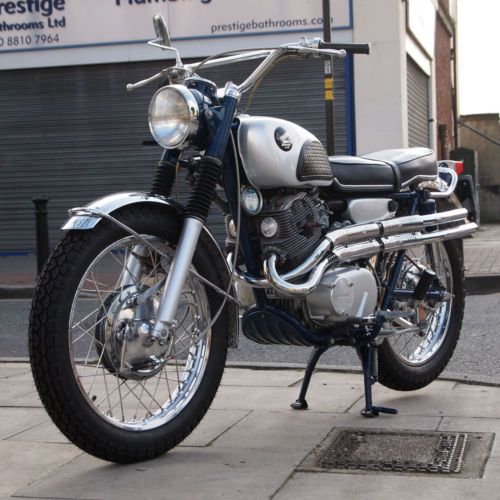
Moreover, the Rebel’s aesthetic resonates with a timelessness rarely afforded to utilitarian designs. Its stripped-down, classic cruiser profile eschews decadent embellishment. The low seat height and minimal bodywork empower riders of varying statures to feel comfortable and in command—facilitating a wider cross-section of enthusiasts to discover the joys of motorcycling without the steep learning curve or intimidation factor often found in larger machines.
These Hondas hold a mirror to the broader motorcycling world, subtly challenge the horsepower obsession, and propose an alternative narrative: performance need not be synonymous with excess speed or complexity. Instead, true performance lies in the union of rider and machine, in the clarity of purpose and the satisfaction derived from the journey itself.
In conclusion, the 1986 Honda Rebel 250 and 450 are quietly compelling exemplars of a philosophy that prizes refined accessibility as much as dynamic capability. Their top speeds and specifications may not dominate spec sheets or headline magazines, but their enduring popularity underscores something far more valuable—a celebration of balance, learning, and the pure, unpretentious joy of riding. Whether nimbly navigating city streets or embracing gentle open-road cruising, these Rebels invite us to reconsider the essence of motorcycle performance and to find exhilaration in the subtle dance of control, confidence, and connection that only a truly harmonious machine can offer.