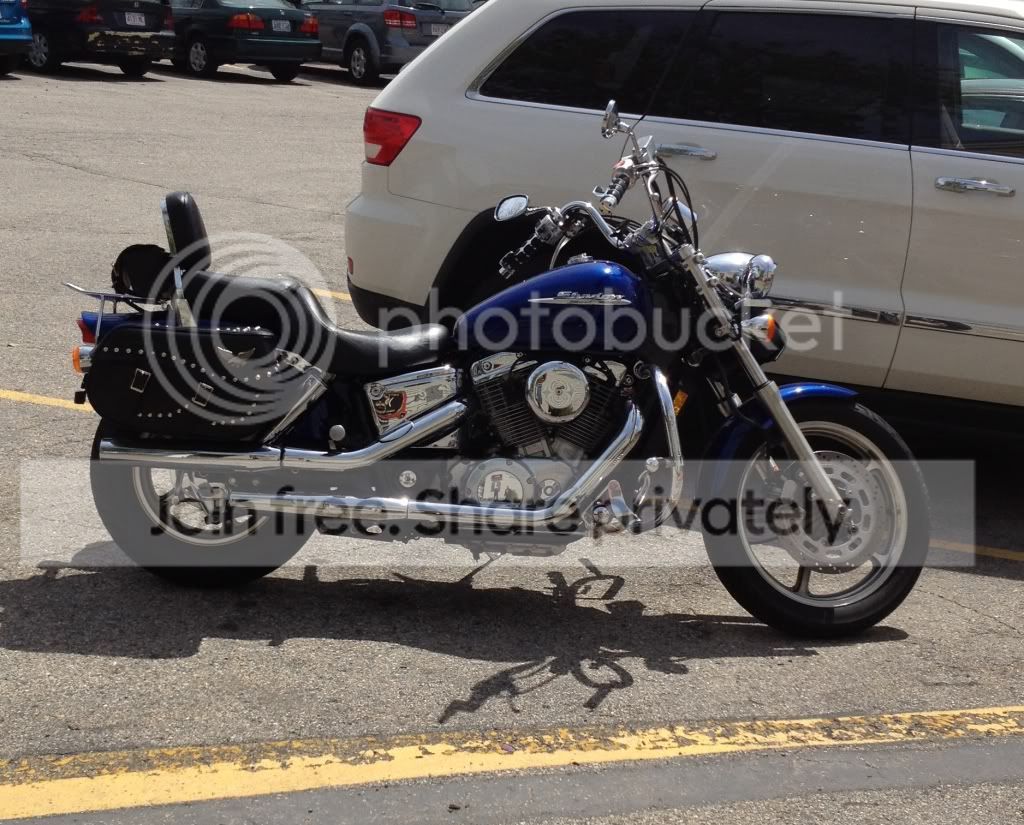
The late 1980s marked a vibrant era for cruiser motorcycles, and among the most admired models of this period were the 1987–1988 Honda Shadow 750 and the 1100. Both machines exemplified the burgeoning interest in American-style cruisers while retaining Honda’s hallmark engineering precision. Delving deep into their specifications, design philosophies, and riding experiences reveals a captivating rivalry that continues to intrigue motorcycle enthusiasts, particularly those captivated by the cruiser segment’s evolution. This cruiser showdown meticulously explores the distinctive qualities that set these two models apart and the nuances that define their legacies.
At first glance, the 1987–1988 Honda Shadow 750 and 1100 may appear as straightforward variations of the cruiser archetype, yet beneath the surface, they represent two divergent approaches to power delivery, chassis dynamics, and user experience. The Honda Shadow 750, powered by a 747cc liquid-cooled, V-twin engine, catered to riders seeking a nimble and manageable ride without sacrificing the classic cruiser aesthetic. Conversely, the Shadow 1100 boasted an 1084cc V-twin engine that infused raw torque and a deeper auditory presence, appealing to those who craved a heftier, more muscular motorcycle.
Diving into the dimensions, the 750 presented a slightly lighter and more compact profile. Its curb weight generally hovered around 480 pounds, which, paired with a lower seat height, rendered it accessible to a broader spectrum of riders, especially newcomers or those with a more modest frame. The advantage here extended beyond ergonomics; the lighter weight translated into more effortless handling in urban environments and twisty backroads. Maneuverability, often an overlooked attribute in cruisers, became an intrinsic strength of the 750, making it ideal for those who favored agility over brute force.
In stark contrast, the Shadow 1100 tipped the scales at approximately 540 pounds, presenting a more substantial presence both visually and dynamically. The increased weight contributed to a planted and stable riding experience at highway speeds, bolstering rider confidence during long-distance touring or spirited open-road rides. The chassis remained fundamentally similar between the two models; however, the added bulk and engine displacement endowed the 1100 with a commanding aura that the 750 subtly lacked. These subtle differences underscore the design intent—while the 750 was built for versatility, the 1100 was unmistakably crafted for cruisers hungry for authoritative power and road dominance.
Examining the engines themselves reveals profound disparities beyond mere displacement. The 750’s V-twin, liquid-cooled setup provided a smooth and predictable power curve. Its output hovered near 45 horsepower, emphasizing reliability and consistent throttle response. Riders frequently praised the engine for its refined nature, sedate yet spirited enough for spirited weekend jaunts. Fuel injection was absent during these years, but the carburetors were meticulously tuned to offer crisp acceleration and an efficient fuel burn, contributing to respectable mileage figures for cruisers of its class.
On the other hand, the Shadow 1100’s larger displacement engine delivered a robust 62 horsepower coupled with an abundant torque figure exceeding 65 lb-ft. This translated into formidable low-end grunt and thrust, enabling rapid acceleration and seamless overtakes on highways. The engine’s acoustic signature also played a pivotal role in its appeal. The deeper rumble and resonance cultivated a visceral connection between rider and machine, embodying the quintessential cruiser ethos. Cylinder-specific vibrations were noticeably tempered by Honda’s precision engineering, ensuring that the raw power was not accompanied by rider discomfort over extended rides.
The suspension systems, while fundamentally parallel in architecture, provided differing experiences due to weight variances and tuning. Both models sported conventional telescopic front forks and dual rear shocks with adjustable preload settings. The 750’s lighter chassis allowed for a perceptibly quicker response; it kissed imperfections with a delicate touch but could lean into corners with unexpected nimbleness. Meanwhile, the 1100’s suspension felt more substantial, soaking up highway irregularities with a plushness that contributed to its long-distance champion persona.
Brake systems, often critical in a motorcycle’s overall safety and performance, were largely similar between the two models, featuring front disc brakes and rear drum brakes. The stopping power was adequate for everyday riding conditions; however, the extra heft and power of the 1100 necessitated a slightly heightened awareness during aggressive deceleration, especially given its more torquey disposition. Riders of the 750 often commented on its balanced brake feel, making it a forgiving ride in urban stop-and-go environments.
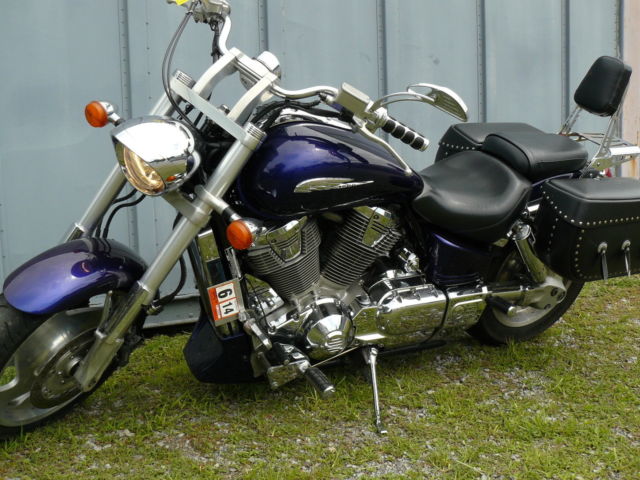
Styling, arguably one of the most subjective yet crucial facets, casts another light on the differences. Both Shadows embraced the classic cruiser stance with teardrop-style fuel tanks, wide handlebars, and stepped seating. Chrome embellishments accentuated the nostalgia of American cruiser motifs, while subtle Honda-specific design elements offered a hint of Japanese refinement. The 1100 leaned more toward an imposing cruiser silhouette, with deeper paint hues and broader fenders amplifying its muscular image. Meanwhile, the 750, often seen in brighter colorways, conveyed an air of youthful exuberance and practical elegance.
Ergonomics paralleled the spirit of each model. The Shadow 750 favored a more upright posture, with footpegs and controls positioned to support rider comfort over shorter commutes or spirited daily rides. The 1100, with its slightly stretched-out lines, encouraged a laid-back stance conducive to cruising highways at relaxed speeds, bolstered by a generously cushioned seat designed for extended mileage. Both motorcycles offered passenger accommodations, although the Shadow 1100’s enhanced power complemented tandem riding with greater ease and less strain on the engine.
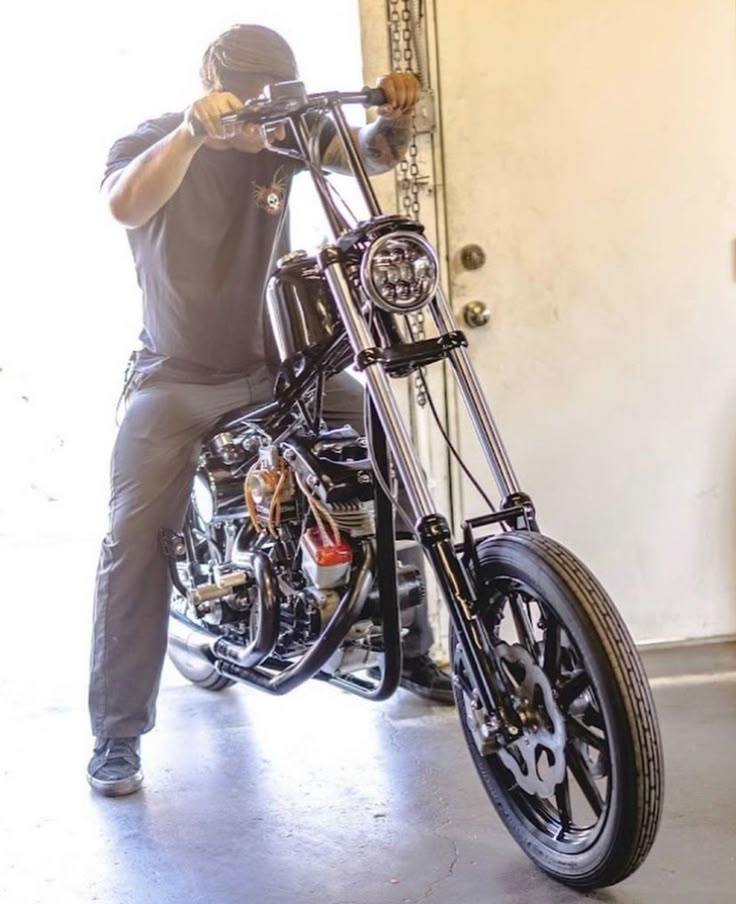
Customization potential further diversified the appeal of each model. The Shadow 750, boasting a strong aftermarket following, lent itself well to beginner-friendly modifications—whether installing drag bars, aftermarket exhausts, or minimalist fenders to cultivate various cruiser substyles such as bobbers or cafe-racers. The 1100’s tuneful V-twin and robust frame invited more substantial custom projects, frequently culminating in performance enhancements and aesthetic overhauls that epitomized the cruiser’s rebellious spirit.
Considering maintenance and reliability, both models gained recognition for Honda’s characteristic durability. The simpler mechanical layouts and robust components ensured ease of upkeep, with parts availability generally favorable thanks to the bikes’ popularity. Nonetheless, the 750’s slightly smaller engine meant fewer operational costs and economical fuel consumption, a significant factor for cost-conscious riders. Conversely, the 1100’s larger engine demanded more frequent attention to valves and carburetion, balanced by its capacity for higher mileage cruising and commanding highway proficiency.
The 1987–1988 Honda Shadow 750 and 1100 both excelled in fulfilling distinct niches within the cruiser market. The Shadow 750 epitomized approachable performance suited to riders prioritizing manageability, versatility, and classic cruiser aesthetics tempered with nimbleness. In contrast, the Shadow 1100 assumed an assertive role—a larger, more potent machine crafted for riders drawn to unrelenting torque, imposing presence, and long-distance comfort without sacrificing the spirit of the cruiser tradition.
Ultimately, choosing between these two evocative motorcycles depends on the rider’s preferred balance of agility versus muscle, economy versus authority, and subtlety versus spectacle. Both models have garnered dedicated followings and remain enduring symbols of Honda’s ability to blend Japanese reliability with American cruiser soul during a transformative era for motorcycling. This showdown not only reflects a thrilling chapter in two-wheel history but also offers a timeless roadmap for riders navigating the diverse world of cruisers.