In the annals of motocross and off-road motorcycling, few machines evoke the raw, unfiltered excitement of a two-stroke powerhouse quite like the 1987 Honda CR250. This iconic model embodies an era when engineering ingenuity met unrelenting passion, delivering an experience that goes beyond mere transportation—it is an adrenaline-fueled symphony of speed, agility, and mechanical harmony. The 1987 CR250 does more than fulfill the promise of two-stroke performance; it redefines how riders perceive power and precision on dirt and rugged terrains. Prepare to revisit a masterpiece that challenges the conventional wisdom of motorcycling and ignites an enduring curiosity about what it means to truly unleash two-stroke potential.
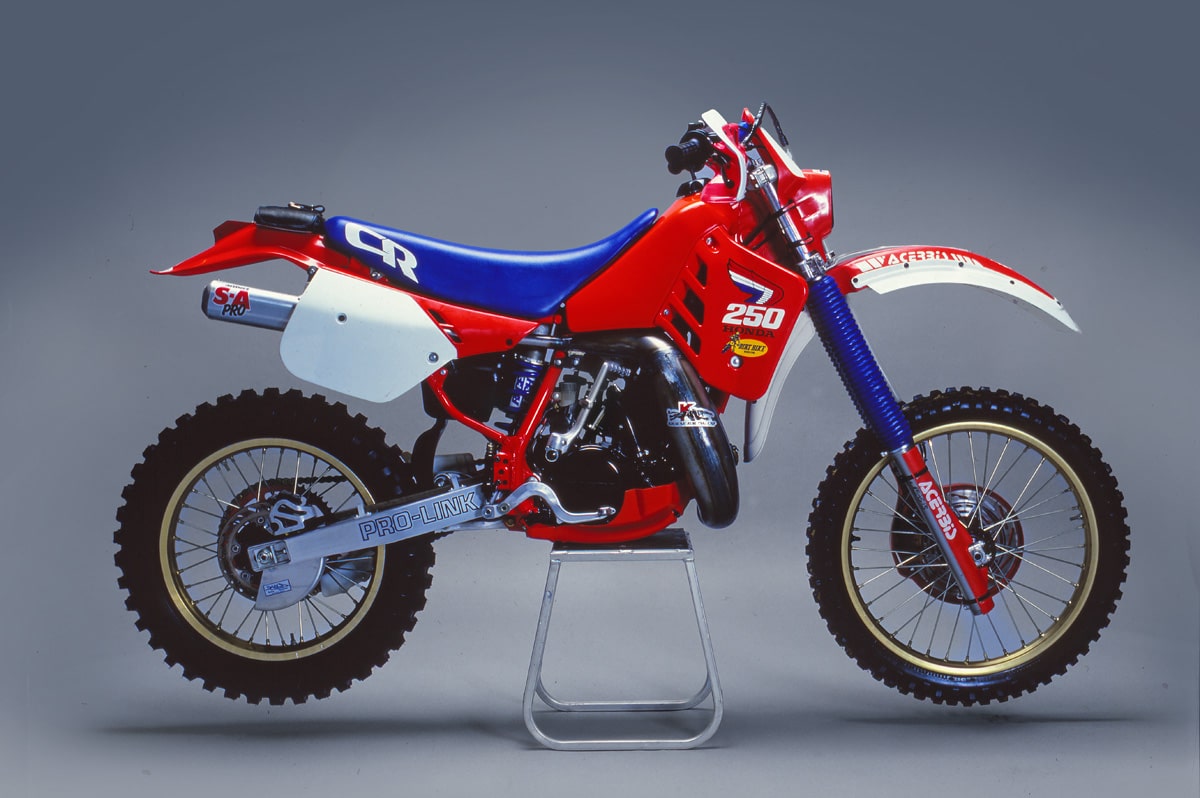
The 1987 Honda CR250 represents a pivotal moment in motocross history, emerging amid intense competition and relentless technological advancements. Unlike many of its contemporaries, this model was conceived with a singular focus: to extract maximum power from its relatively simple two-stroke engine, while ensuring control, reliability, and responsiveness. Honda’s engineers pushed boundaries by emphasizing a potent blend of lightweight construction and sophisticated mechanical design. The result was a dirt bike with a distinct character—nimble yet ferocious, approachable yet demanding respect.
At the heart of the 1987 CR250 lies its two-stroke, liquid-cooled, single-cylinder engine. This powerplant embodies a harmonious contradiction: remarkable simplicity paired with high-performance potential. Unlike four-stroke engines that rely heavily on complex valve timing and longer stroke cycles, two-strokes thrive on the purity of their combustion process. The CR250’s 249cc engine capitalizes on this, delivering a peaky powerband that rewards precision throttle input and impeccable timing. It doesn’t merely produce horsepower; it disseminates a burst of raw, unadulterated force that challenges riders to refine their craft to harness effectively.
What truly sets the 1987 CR250 apart, however, is its ability to transform what might be perceived as volatility into controlled aggression. Two-stroke engines are notoriously known for their sudden, snappy power delivery—which can intimidate the uninitiated. But Honda’s meticulous tuning and suspension setup offer a balance that tempers this exuberance without sacrificing essence. The chassis, framed by lightweight yet resilient materials, responds predictably to rider commands, fostering confidence even in the most demanding environments. This synergy between engine and chassis establishes the CR250 as a machine that teaches riders the art of finesse and power modulation.
The suspension system of the 1987 CR250 deserves special mention. Equipped with long-travel telescopic forks at the front and a Pro-Link mono-shock at the rear, the bike absorbs rough terrain with remarkable composure. This setup was ahead of its time, delivering not only comfort but an unparalleled sense of connection to the terrain. Riders can navigate rocky descents, slippery mud patches, or high-speed straights with poise. The suspension does not merely soak up shocks—it actively communicates, offering tactile feedback that is indispensable when precision and speed converge.
Further enriching the ownership experience is the CR250’s lightweight charisma. Weighing in at just over 200 pounds dry, the 1987 Honda CR250 is a featherweight contender in the heavyweight arena of motocross. This relatively minimal mass grants extraordinary maneuverability, allowing nimble direction changes and effortless wheelies or jumps. Its responsive nature invites riders to push boundaries, enabling techniques and styles of riding that heavier machines simply cannot replicate. With every twist of the throttle and flick of the wrist, the CR250 becomes an extension of the rider’s will—a testament to agility and unfiltered motorcycling joy.
The auditory signature of a two-stroke exhaust note cannot be overstated in its role as an evocative hallmark of motorcycling culture. The 1987 Honda CR250 projects a sharp, staccato roar that echoes through the wilderness, a sonic embodiment of mechanical vitality. This signature sound is not mere noise; it signals presence, power, and intent. To ride the CR250 is to be enveloped in a soundscape that fuels adrenaline and heightens senses, constantly reminding the rider of the machine’s explosive capabilities waiting to be summoned.
Beyond performance metrics and mechanical prowess, the 1987 CR250 represents an epoch where the motorcycle was more than a machine—it was an attitude. It invited a paradigm shift in how riders viewed two-stroke engines, transforming them from unpredictable beasts into precise instruments of exhilaration. This shift in perspective originated from Honda’s blend of technological foresight and practical engineering: refining, optimizing, and ultimately demystifying high-performance two-stroke riding.
This model also laid the groundwork for generations of enthusiasts who would carry the torch of two-stroke heritage. Its legacy is woven into the fabric of modern dirt bike culture, influencing design philosophies and fueling nostalgia-driven revivals. As contemporary riders rediscover the unique attributes of two-stroke machines, the 1987 Honda CR250 stands as a benchmark, reminding the community that motorcycling excellence transcends innovation alone—it requires soul.
In an age dominated by technological complexity and increasing electronic intervention, the 1987 CR250’s raw mechanical simplicity is revitalizing. It beckons riders to immerse themselves in a more visceral and intimate riding experience, where every mechanical noise, vibration, and throttle input contributes to a pure feedback loop between man and machine. The CR250 is not just a motorcycle—it is an invitation to challenge conventions, explore the limits of two-stroke capability, and embrace the thrill of mastery.
In conclusion, the 1987 Honda CR250 is far more than a relic of the past; it is a timeless exemplar of two-stroke potential unleashed. It promises a transformation in perception—a call to appreciate the nuanced interplay between power, control, and rider skill. For those seeking to understand the essence of motocross or simply yearning for an indelible riding experience, the CR250 offers an enduring narrative rich with excitement, innovation, and legacy. It reminds us that within each throttle twist lies an opportunity: to command power, to defy limits, and to revel in the exhilarating dance of two-stroke mastery.