The 1990 Harley-Davidson Fat Boy is not merely a motorcycle; it is an icon that unmistakably reshaped perceptions of what a cruiser could—and should—be. Emerging at a pivotal moment in motorcycling history, this model ignited a paradigm shift, transcending traditional boundaries and cementing its status as a symbol of power, style, and identity. To understand the magnitude of its influence, one must delve into the design ethos, engineering brilliance, and cultural significance that make the 1990 Fat Boy a legend that continues to captivate enthusiasts and onlookers alike.
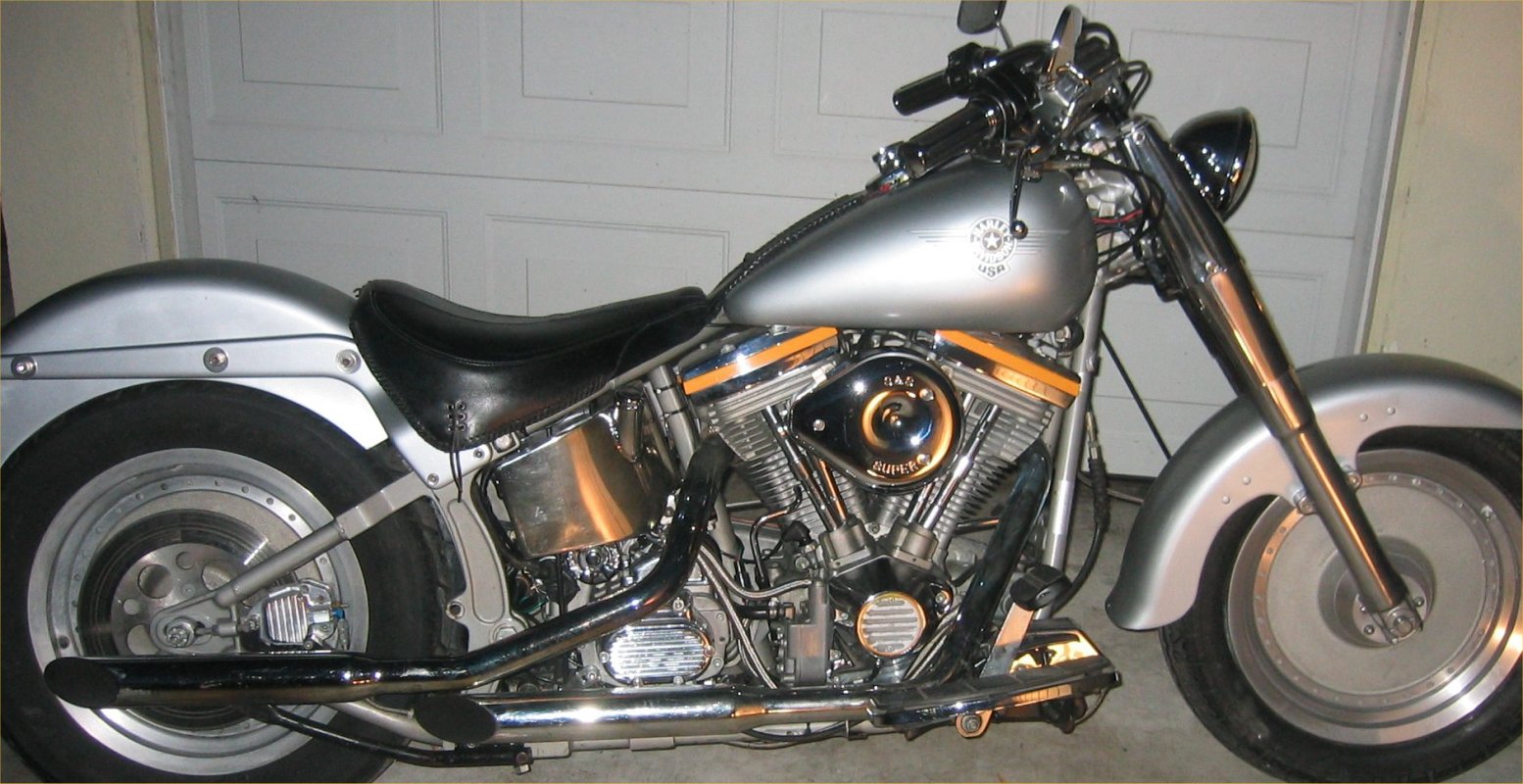
At first glance, the Fat Boy asserts itself with an imposing presence. Its voluptuous, beefy silhouette seems to defy conventional notions of sleekness, instead embracing a bold, unapologetic bulk. The motorcycle’s solid disc wheels, a hallmark feature, carve a distinctive visual signature that differentiates it from its contemporaries. Forged aluminum wheels with solid, nearly solid discs replace the traditional spoked wheels, bestowing an aura of industrial strength and modernity. This design choice was nothing short of revolutionary in the cruiser world of the early 1990s, where aesthetics often favored airiness over substance.
Yet the Fat Boy’s appeal extends far beyond mere looks. Underneath the hulking facade lies the legendary evolution of Harley-Davidson’s V-twin powerplant. The 1990 model is powered by the Evolution engine, a refined and reliable heart that delivered a seamless amalgamation of torque-rich performance and mechanical robustness. This engine breathed new vigor into the cruiser segment, ensuring that the Fat Boy wasn’t just a styling exercise. It promised an exhilarating ride, a visceral connection to the road that only a Harley can offer.
The engineered marriage of form and function embodies a deliberate philosophy. Harley-Davidson sought to craft a motorcycle that balanced muscular aesthetics with approachable handling. The Fat Boy’s low-slung stance and wide handlebars create an ergonomically inviting ride, suitable for both city streets and open highways. The substantial 150mm wide rear tire enhances stability while amplifying the motorcycle’s commanding road presence. Every element—from the fat front fork to the hefty dual exhaust pipes—conspires to deliver a riding experience that is unashamedly visceral yet surprisingly manageable.
But what truly elevates the 1990 Fat Boy beyond its physical attributes is its cultural impact. This motorcycle arrived during an era marked by the proliferation of sportbikes and the rising popularity of Japanese manufacturers. While speed and precision were increasingly celebrated, Harley-Davidson doubled down on the essence of raw Americana—heritage, freedom, and rebellion. The Fat Boy became an emblem of this ethos, capturing imaginations through movies, advertisements, and the collective consciousness of biker subculture.
Its exposure in popular media further amplified its mystique and desirability. The thick, robust frame that seems to cut a silhouette against any backdrop subconsciously resonates with ideals of resilience and rugged independence. Whether viewed on a winding mountain road or cruising through urban sprawl, the 1990 Fat Boy projects an indelible statement: this isn’t just transportation—it’s an embodiment of a lifestyle.
Expanding on its technical lexis, the Fat Boy’s steel frame is meticulously engineered to offer both torsional rigidity and absorptive compliance, ensuring the bike’s imposing mass does not translate into unwieldy control. Suspension components, while appearing traditional, deliver a surprisingly supple ride, a testament to Harley’s commitment to marrying comfort with muscular design.
The instrument cluster on the 1990 Fat Boy is modest yet functionally elegant. Featuring a single large speedometer with an odometer, it eschews superfluous digital distractions in favor of clarity and timelessness. The analogy of this simplicity parallels the overall motorcycle philosophy—uncomplicated power that doesn’t shout but commands respect.
Customization potential is an intrinsic promise woven into every Fat Boy. Owners often find themselves compelled to personalize their machines, adding layers of individuality atop an already iconic foundation. Whether it’s through exhaust upgrades, paint schemes, or accessory additions, the 1990 Fat Boy invites an intimate connection between rider and machine that few motorcycles can match.
In retrospect, the 1990 Harley-Davidson Fat Boy offered a radical departure from the homogenized motorcycles of its time. It dared to foreground mass and presence without sacrificing subtle engineering finesse. It redefined cruiser aesthetics and performance standards simultaneously, setting a benchmark that reverberates in the industry to this very day.
Its allure is not solely dependent on nostalgia; rather, it emanates from an enduring narrative of innovation framed within tradition. The Fat Boy symbolizes a bridge between past and future, a motorcycle that honors vintage charm while heralding modern possibilities. This balance undeniably ignited a renaissance amongst Harley-Davidson’s lineup and challenged competitors to reconsider their design and engineering philosophies.
Summarily, the 1990 Harley Fat Boy is not just a motorcycle—it is a transformative legend. Its influence permeates beyond the mechanical and aesthetic; it scratches deeper into cultural identity, personal freedom, and the relentless pursuit of individuality. For those who seek a machine that promises more than transportation—a muse on two wheels who commands attention and stirs the soul—the Fat Boy remains an unmatched icon that changed everything, forever altering the landscape of motorcycling history.