Few motorcycles from the late 20th century evoke as much enduring fascination as the 1990 Harley-Davidson Sportster lineup. These machines stand at a crossroads of motorcycling history—rooted in traditional American design yet carrying whispers of a transformative era. Enthusiasts and casual observers alike often share a similar observation: despite their age and relatively modest technology compared to contemporary models, these Sportsters retain a magnetic appeal that transcends mere functionality. But what lies beneath this persistent allure? Is the 1990 Harley Sportster still worth riding today, or is its charm predominantly reflective nostalgia? Exploring these questions reveals not just the motorcycle’s mechanical attributes, but also the deeper cultural and emotional connections woven into its identity.
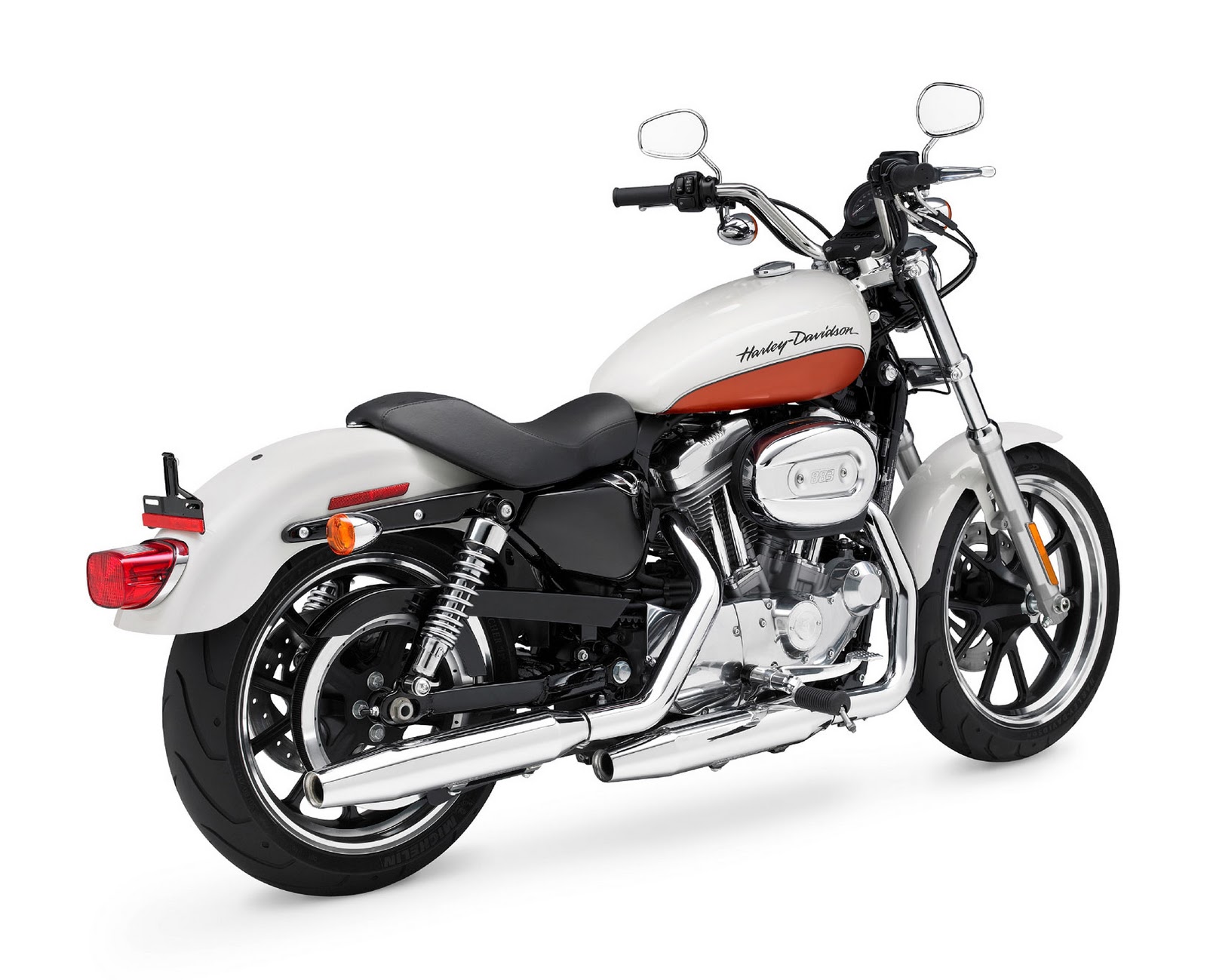
The 1990 Sportster lineup was emblematic of Harley-Davidson’s dedication to maintaining a quintessentially American riding experience. With engines ranging from the 883cc Ironhead V-twin to the more robust 1,200cc variants, these motorcycles offered riders a tonal range that was both raw and resonant. The signature Harley rumble was more than a sound; it was a visceral language, speaking fluently of heritage and rebellion. For riders who craved a connection with the mechanical soul of their bike, the 1990 Sportsters presented an accessible yet uncompromising option. Their relatively lightweight chassis and narrow frame gave them a nimbleness uncommon for a brand often criticized for bulk and weight, allowing for a riding experience that felt both grounded and immersive.
Beyond the mechanical, the design philosophy of the 1990 Sportster was painted in broad strokes of simplicity and functionality. The minimalist lines, lack of excessive plastic fairings, and exposed engine components created a visual statement that suggested purity of purpose. Unlike many modern motorcycles burdened with digital dashboards and electronic aids, these Sportsters invited riders to engage their senses fully. Every twist of the throttle, every gear shift, felt direct and unmediated, cultivating a visceral bond between man and machine. This interaction is a vital reason for the ongoing fascination: it is the embodiment of motorcycling in its most essential and unfiltered form.
Yet, to dismiss the 1990 Harley Sportster as a mere retro relic overlooks the layers of sophistication embedded within its vintage architecture. The evolution of the Ironhead engine—responsible for powering the Sportster until 1986—and the subsequent introduction of the Evolution engine exemplify a balance between tradition and innovation. By 1990, Harley had refined the Evolution engine to improve reliability and performance without sacrificing the trademark engine character. The air-cooled V-twin offered commendable torque at low to mid-range RPMs, which made the riding experience manageable for novices and engaging for seasoned riders alike. Furthermore, the customization culture that surrounds Sportsters has allowed riders to tailor these motorcycles to specific tastes and functional needs, breathing new life into a platform that might otherwise seem technologically superseded.
In discussing whether the 1990 Sportster is still worth riding today, one must also assess its practicality in the contemporary riding landscape. Modern motorcycles, with their advanced suspension, braking technology, and electronic aids such as ABS, traction control, and ride modes, provide undeniable advantages in performance and safety. The 1990 Sportster, by contrast, relies on more rudimentary, mechanical systems. Drum brakes lingered on some models, and suspension components were less sophisticated. This might deter those who prioritize cutting-edge technology. However, for many riders, part of the joy lies precisely in the unfiltered experience of these raw mechanical systems—a dynamic exchange where skill and attentiveness command respect.
There is also the undeniable factor of cultural symbolism embedded within the 1990 Sportster. It serves as a living artifact of a distinct epoch in motorcycling, when Harley-Davidson was rebounding from financial and operational challenges of the 1980s and repositioning itself as a powerhouse in American motorbike culture. To ride a 1990 Sportster today is to engage with a tangible piece of that revival narrative. This connection to motorcycle lore and Americana fosters a sense of identity and community that transcends pure transportation. The motorcycle becomes a symbol of resilience, individuality, and stylistic authenticity.
This speaks to a broader phenomenon within motorcycling culture—the allure of the “classic ride” as an experience that encompasses more than mechanical operation. It is about heritage, stories born on open roads, and the interplay of aesthetics and sound that defines memory. The 1990 Sportster strikes a chord because it offers an accessible entry point into this rich tapestry. Its malleable design invites personalization, allowing riders to imprint their character upon the machine, prolonging its life and relevance through customization and care.
However, owning and riding a 1990 Sportster in today’s environment comes with considerations. Parts availability can prove a challenge, though Harley-Davidson’s enduring brand presence and the passionate communities dedicated to the Sportster help mitigate this. Mechanical knowledge and hands-on maintenance are beneficial, as these motorcycles reward those willing to engage with their upkeep. But these challenges contribute to an experiential depth that modern, more “plug-and-play” motorcycles might lack.
In summary, the 1990 Harley-Davidson Sportster lineup occupies a unique niche in the motorcycle pantheon. It is not simply a machine for transit but a nexus of craftsmanship, history, and culture distilled into steel and rubber. While it may not eclipse contemporary motorcycles in raw performance or technology, it offers something less tangible—a profound engagement with riding heritage and an invitation to embrace motorcycling’s elemental thrills. The fascination it continues to inspire lies in this synthesis of mechanical essence, historical relevance, and personal expression.
For those contemplating whether the 1990 Sportster remains worth riding today, the answer hinges on what riding means on a personal level. If the essence of motorcycling is defined by freedom, authenticity, and connection, the 1990 Harley Sportster stands ever ready as an ambassador. It is a reminder that sometimes, the enduring worth of a motorcycle transcends gas mileage or gadgets; it is the soul within the ride that continues to resonate through the decades.