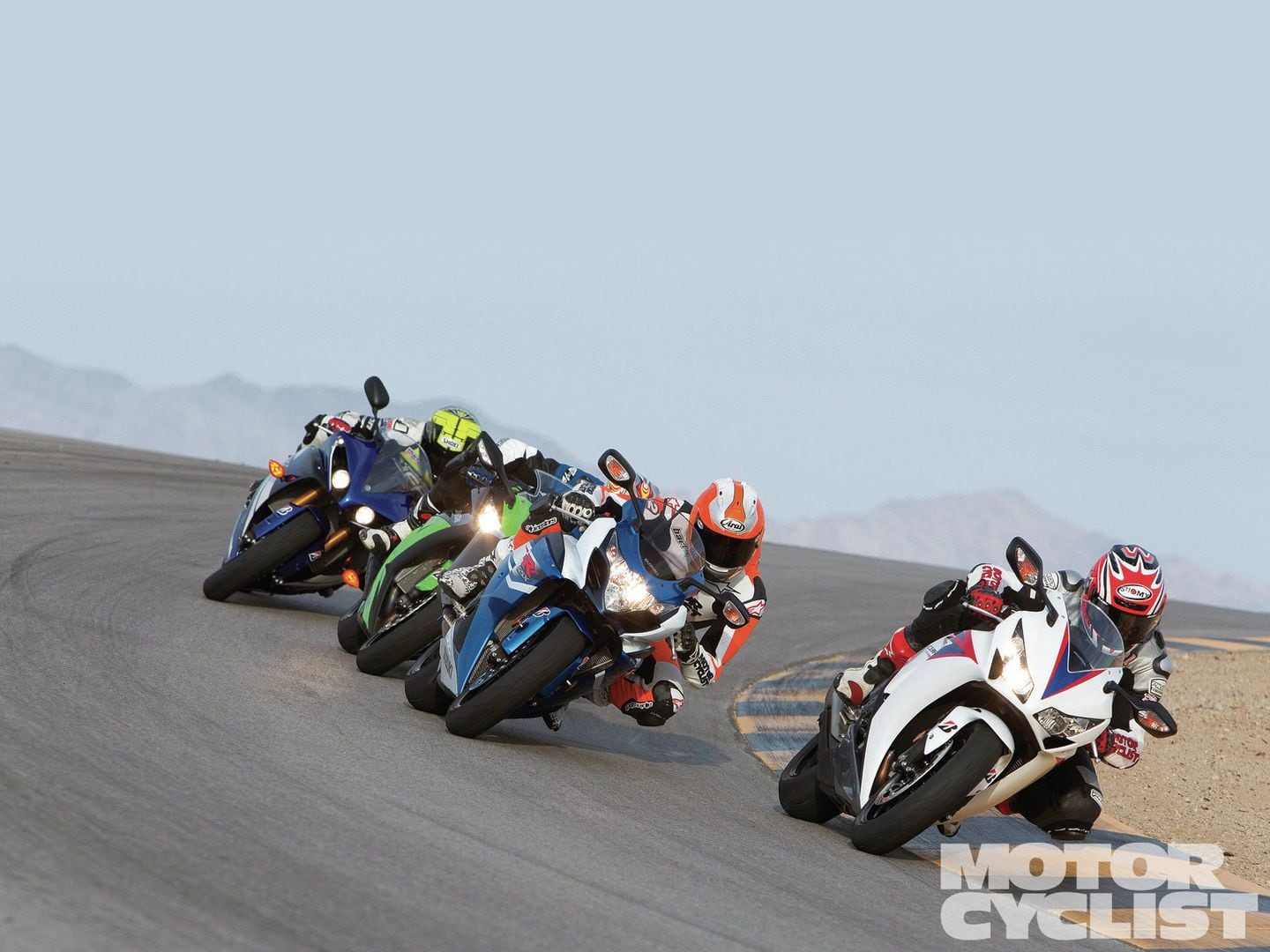
The mid-1990s represented a pivotal era in the evolution of sportbike engineering, where manufacturers relentlessly pursued innovation to captivate enthusiasts worldwide. Among the titans of this golden age, the 1995 Honda CBR, Kawasaki Ninja ZX-9R, and Suzuki GSX-R series stood out as formidable machines embodying precision, power, and pioneering design. Delving into a comparative analysis of these iconic motorcycles reveals the subtle nuances that made each a hallmark of its brand and a beloved choice among riders.
At a glance, the 1995 sportbike category was marked by a blend of raw performance and technological strides. The Honda CBR, often synonymous with razor-sharp handling and engine refinement, offered a well-balanced package that appealed to riders seeking a versatile machine. Conversely, Kawasaki’s Ninja ZX-9R injected an aggressive flair with an emphasis on outright power and aerodynamic finesse. Suzuki’s GSX-R, a stalwart of race-bred performance, boasted a reputation for lightness and nimble dynamics, targeting purists who craved an unfiltered riding experience.
The heart of any sportbike is its powertrain, and the 1995 models differed distinctly in engine architecture and characteristics. The Honda CBR series typically featured a liquid-cooled, inline four-cylinder engine designed for smooth power delivery across the rev range. Its engineering precision ensured reliability without sacrificing performance, garnering praise for balanced throttle response and manageable torque output. Meanwhile, the Kawasaki Ninja ZX-9R startled many with its larger displacement and robust horsepower, engineered to excel on both street and track with an aggressive mid-range surge. The Suzuki GSX-R, renowned for its lightweight design, employed a finely tuned inline-four engine optimized for high-revving agility, translating into blistering acceleration and sharp throttle modulation.
Chassis and suspension technologies also differentiated these 1995 sportbikes in meaningful ways. Honda’s CBR was equipped with a meticulously crafted aluminum frame that offered a commendable blend of rigidity and compliance, ensuring confidence-inspiring cornering and stability at speed. The suspension setup typically leveraged advanced damping systems to absorb road irregularities without compromising rider feedback. Kawasaki’s Ninja ZX-9R leaned into a more muscular frame design, emphasizing rigidity to harness its explosiveness while incorporating adjustable suspension components to cater to both aggressive riders and touring enthusiasts. Suzuki’s GSX-R sported a lightweight perimeter frame that contributed to exceptional agility; its suspension was lauded for crispness and responsiveness, enabling razor-sharp turns and quick directional changes.
Ergonomics and rider interface further distinguished these machines. The Honda CBR’s cockpit tended to balance aggressive sport riding posture with a hint of comfort for longer journeys, featuring a slightly raised handlebar and seat setup conducive to prolonged control. The Ninja ZX-9R shifted towards a more race-oriented, forward-leaning stance that placed the rider in an aerodynamic tuck, a design choice appealing to speed aficionados. Suzuki’s GSX-R, meanwhile, pushed the envelop toward track-centered ergonomics, necessitating a crouched form that augmented feel and minimized wind resistance, yet demanded physical endurance due to its focused riding position.
Beyond the mechanical, each sportbike radiated distinctive styling reflective of its lineage and intended philosophy. The 1995 Honda CBR exhibited clean, aerodynamic lines combined with subtle aggressive cues that conveyed purposeful intent without ostentation. Kawasaki’s Ninja ZX-9R embraced bold, muscular fairings and sharp angles, asserting presence and hinting at its power-packed performance. Suzuki’s GSX-R featured an angular, lightweight silhouette with race-inspired decals and minimalist bodywork to emphasize speed and functionality over flash.
When discussing braking systems, a critical component of sportbike performance, 1995 models embraced evolving technologies. The Honda CBR utilized dual front disc brakes paired with a single rear disc, offering strong stopping power and progressive bite essential for spirited riding. Kawasaki’s Ninja ZX-9R followed suit with robust multi-piston calipers and larger rotors to cope with its potent speeds, ensuring fade-resistant braking during track sessions. Suzuki’s GSX-R emphasized weight savings but retained competent braking apparatus, delivering sharp, precise control for rapid deceleration without compromising balance.
Technology integration within these 1995 sportbikes remained rooted in mechanical excellence, with limited electronic aids compared to modern standards. Nevertheless, each brand incorporated advancements such as fuel injection systems or refined carburetors to optimize combustion efficiency and throttle response. The emphasis largely rested on mechanical reliability, rider skill, and feedback rather than electronic intervention, preserving the visceral essence that defined the sportbike experience of the era.
Maintenance considerations and long-term ownership perspectives also varied subtly among the trio. Honda’s CBR was renowned for mechanical robustness and ease of serviceability, making it a favored choice among riders valuing longevity and low upkeep costs. Kawasaki’s Ninja ZX-9R demanded more meticulous attention due to its higher-performance components, rewarding owners who maintained it meticulously with extraordinary rewards on road and track. Suzuki’s GSX-R, famed for its race-ready disposition, proved durable but occasionally required precise tuning and upkeep to maintain peak performance.
In sum, the 1995 landscape of sportbikes—epitomized by the Honda CBR, Kawasaki Ninja ZX-9R, and Suzuki GSX-R—offers an enthralling study of design philosophy converging on a common goal: delivering thrilling, dynamic riding experiences. Each motorcycle carved its unique niche, reflecting distinct priorities, engineering approaches, and rider preferences. Whether it was the balanced versatility of the CBR, the muscular aggression of the Ninja, or the razor-edged precision of the GSX-R, enthusiasts of the era were presented with compelling choices, each promising an exhilarating connection between machine and rider.
Today, these machines stand as enduring icons, symbolic of an era where mechanical ingenuity and rider passion forged unforgettable chapters in sportbike history. Their legacy continues to inspire modern designs and fuels the timeless pursuit of speed, control, and the pure joy of motorcycling.