Have you ever wondered how a motorcycle can embody both raw power and an unmistakable personality, all while riding effortlessly through the streets? The 1998 Harley Dyna lineup offers a fascinating answer, presenting an array of custom-styled motorcycles that challenge conventional notions of cruiser design. But what exactly makes the ’98 Dynas stand apart in a sea of motorcycles, and how does customization weave itself so fundamentally into their DNA?
The 1998 Harley-Davidson Dyna family is not merely a collection of bikes; it is a vibrant tableau of craftsmanship and engineering, blending tradition with innovation. The Dyna lineup of this era crafted a distinctive niche between the whimsical nature of choppers and the robustness of touring models. Each bike was designed with an emphasis on a hardtail-look paired with contemporary suspension technologies, creating that perfect paradox: motorcycles that look classic yet handle like modern machines.
Diving into the core of this lineup, the unmistakable visual flair was not an accident. These Dynas embraced a “custom style” ethos, a deliberate and thoughtful approach where individuality reigned supreme. Instead of uniformity, the ’98 Dynas celebrated subtle variations in frame geometry, tank design, seat styles, and handlebar configurations. This led to a broad pallet upon which riders could impose their tastes and aspirations, turning each bike into a canvas of personal expression.
Take for instance the iconic Harley-Davidson Dyna Super Glide. A bike that practically wrote the book on custom styling, the Super Glide merged the softail’s rigid-looking lines with the superior suspension of the Dyna frame, delivering a balanced ride with aggressive aesthetics. But what was truly captivating about it was the way it teased riders with its hybrid character — too raw for the faint-hearted yet refinely sophisticated for those craving performance. Was it a rebel or a refined thoroughbred? In truth, it wore both masks with equal aplomb.
Another striking member of the ’98 Dyna roster was the Wide Glide. With its unmistakable extended front forks and wide handlebars, this motorcycle practically dared aficionados to tackle tight corners and long highways alike. The Wide Glide didn’t just ride—it posed, flaunting its elongated silhouette and inviting boldness from the rider. This model was a tactile reminder that custom style in the Dyna range was not solely about aesthetics but also about the innate riding experience.
What continues to mesmerize about the 1998 Harley Dyna lineup is their method of blending nostalgic design cues with progressive mechanical ingenuity. For example, the Dyna frames featured twin-shock rear suspension, diverging from the softail’s hidden rear shocks. This choice gave the motorcycles a distinctive look, one that harks back to earlier days of motorcycling when simplicity and rawness were virtues. Such design decisions underscore the compelling challenge these bikes pose: how to both honor vintage heritage and excel in present-day functionality.
Moreover, the engines in the ’98 Dynas epitomized the marriage between tradition and performance. Harley’s signature Evolution V-Twin engine of the era was both reliable and formidable. Tuned to maximize torque and deliver a soulful growl, these powerplants injected personality into the motorcycles, making them more than mere transportation—they became extensions of the rider’s own spirit. But it wasn’t just about power; the throttle response was precise, and the mechanical cadence invited riders to engage in a dialogue with the machine.
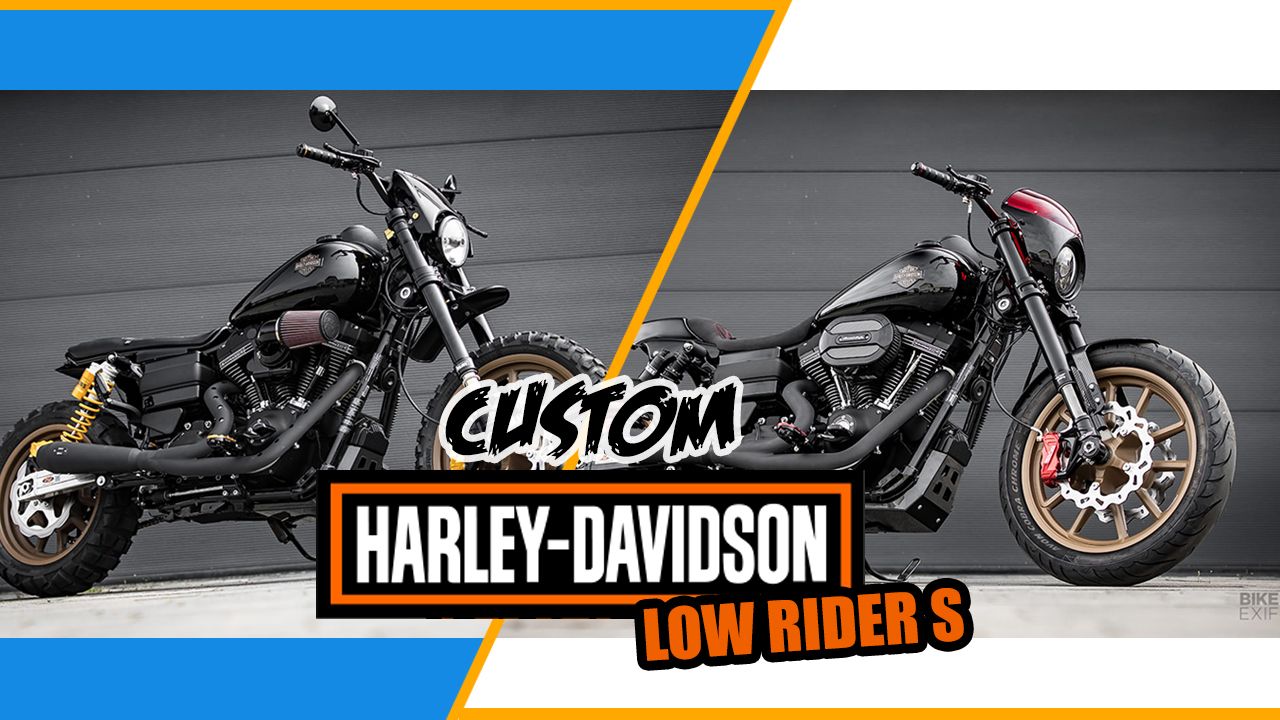
Customization possibilities added another layer of enchantment to the lineup’s allure. Unlike many motorcycles that come fixed and rigid, the 1998 Dyna models served as perfect platforms for modification. Riders could tinker with everything from exhaust pipes to paint schemes, from handlebar types to seat arrangements. The diversity offered catered to the idea that a motorcycle should not merely adapt to a rider’s preferences; it should celebrate them. Such a philosophy elevated the 1998 Dynas from mere machines to dynamic works of art.
Furthermore, the role of ergonomics within the Dyna family bore notable attention. Each model provided subtly differentiated riding postures, governed by the configurations of foot pegs and handlebars. Whether one sought aggressive forward controls or a more relaxed cruising stance, the Dynas accommodated. This versatility allowed riders not just to ride but to find their unique connection with the motorcycle, fostering a bond that extended beyond metal and mechanics.
But does this abundance of choices and styles come without its challenges? Novices approaching the world of Harley Dynas might find themselves overwhelmed by options or uncertain about how to tailor a bike for optimal performance while preserving its custom essence. The dance between maintaining originality and expressing individuality can be intricate. Yet, perhaps it is precisely this complexity that elevates the appreciation for the 1998 Dyna lineup, demanding both passion and discernment from its admirers.
In retrospect, the 1998 Harley Dyna lineup stands as an emblem of custom styling in the motorcycling world—a harmonious interplay between ruggedness and refinement. These motorcycles invite riders to question the conventional and embrace a philosophy where form and function intertwine seamlessly. They pose an intriguing challenge: how can a motorcycle look like a classic masterpiece without compromising the thrill of modern mechanics? How can custom style transcend mere aesthetics into becoming an immersive riding experience?
Ultimately, to explore the 1998 Harley Dyna models is to embark on a journey that bridges eras and emotions. These bikes do not just traverse distances on tarmac; they traverse time, style, and sentiment. They beckon riders to claim their individuality amidst a legacy steeped in history, making every ride not just a trip, but a statement.