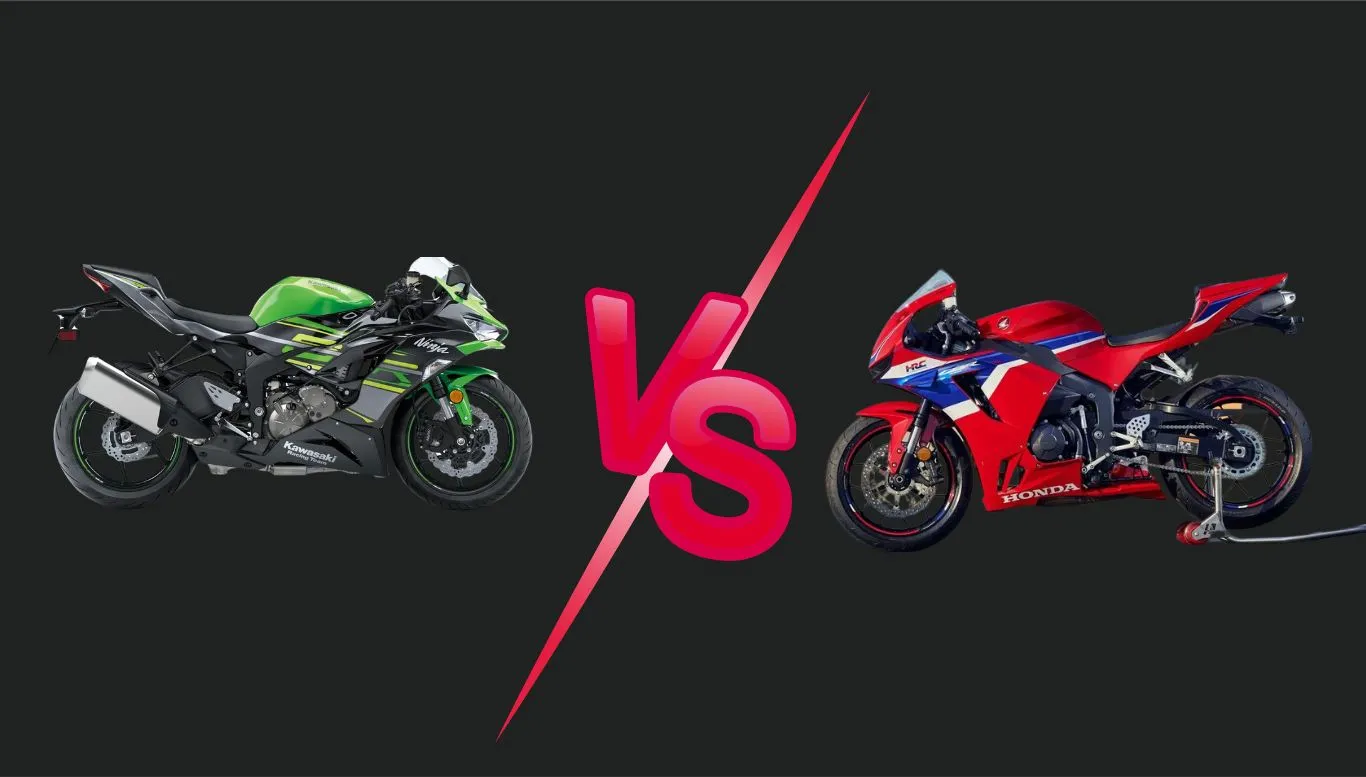
The 1998 Kawasaki ZX6R and the Honda CBR600 stand as titans of an era when middleweight sportbikes captivated riders with a blend of precision engineering and raw, unfiltered adrenaline. To pit these two machines against each other on the unforgiving altar of the race track is to witness a symphony of speed, handling, and character, each bike narrating its own story through every corner and straightaway. This comparison is not merely about horsepower and specs—it is a dance of engineering philosophies, a duel between Kawasaki’s razor-sharp aggression and Honda’s balanced refinement.
Stepping into the 1998 Kawasaki ZX6R is akin to grasping a scalpel forged in the fires of competition. Kawasaki engineered the ZX6R with a razor’s edge, emphasizing high-revving power and acute agility that transforms the racetrack into a chessboard of tactical overtakes and precise apexes. Its 599cc inline-four engine, pushing near the 100 horsepower mark, delivers a ferocious rush as the tachometer crescendos past 12,000 RPM. The engine’s fervent respiration is unmistakably Kawasaki—impatient yet meticulously honed to exploit every fraction of a second.
Handling on the ZX6R is an intimate affair. The aluminum twin-spar frame provides a chiseled backbone that invites sharp, confident turns, carving through corners with surgical precision. The suspension, stiffer and more responsive than many of its contemporaries, punishes or rewards based on the rider’s input. This rigidity translates into unparalleled feedback from the road surface, turning every rise and ripple into a tactile message demanding corrective action and rewarding finesse. The ZX6R feels alive, a wild stallion tamed only by the most skilled performers.
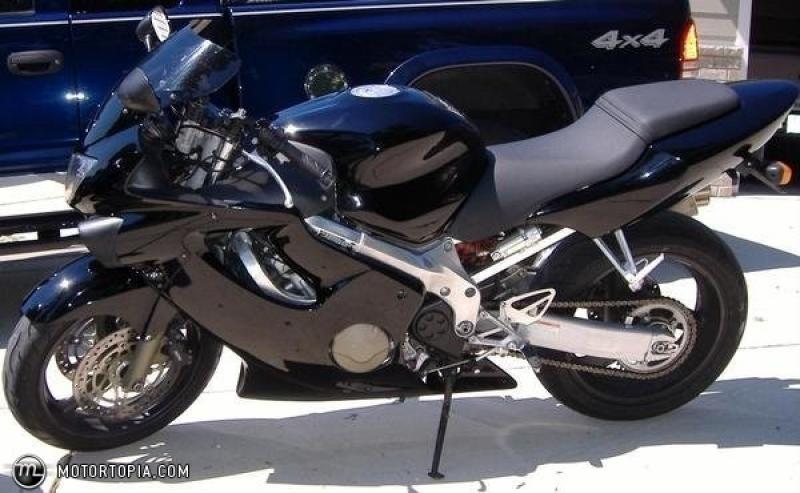
In contrast, the 1998 Honda CBR600 is the embodiment of measured prowess, a symphonic counterpart to the ZX6R’s piercing melody. Honda’s approach leans toward harmonious balance, crafting a bike that embraces forgiving smoothness without sacrificing competitive thrust. Its inline-four engine, slightly detuned compared to the Kawasaki, is a marvel of engineering subtlety. It produces a slightly lower peak horsepower but delivers torque across a wide rev range that nurtures rider confidence and reduces the brutality sometimes associated with track-focused machines.
The chassis of the CBR600 echoes Honda’s philosophy of versatility and composure. The frame geometry, combined with suspension tuned for pliant compliance, absorbs imperfections in the asphalt like a practiced dancer anticipating every misstep. This means the bike carries momentum through corners gracefully, with a sure-footedness that promotes consistent lap times rather than frantic bursts of speed. The CBR600 invites its rider to flow with the track’s rhythm rather than dominate it outright, a subtle but profound difference in character that defines its unique appeal.
On the straightaways, the ZX6R launches itself like a catapult, the sound of its engine a roaring anthem against the wind. Its light, aerodynamic form cuts through turbulence with aggressive intent, encouraging riders to chase personal bests and break through perceived limits. But this comes at a cost—the fierce power delivery mandates respect and precision, punishing mid-corner throttle mistakes with tangible consequences.
The Honda CBR600, by comparison, feels like a seasoned marathoner on the straights. Less explosive, perhaps, but unwavering in its delivery. The power is more linear and predictable, which translates into an endurance-focused approach that serves well during longer track sessions or endurance races. The finer points of tuning reveal themselves in race conditions where consistency trumps spikes of acceleration.
Braking and suspension setups further illustrate the philosophical divergence between these two motorcycles. The ZX6R favors aggressive, race-ready components ensuring minimal fade and supreme stopping power, demanding that the rider exploit every inch of track before deploying the anchors. Conversely, the CBR600 offers a setup that balances stopping power with feel and modulation, providing confidence without the razor-edge sensitivity some might find intimidating.
Visually, the 1998 ZX6R dons a warrior’s attire—sharp lines, a squat championship stance, and a front fairing that slices the wind like a well-honed blade. It carries the aura of a gladiator primed for battle. The Honda CBR600 projects a sophisticated and aerodynamic silhouette—elegant yet aggressive—a machine designed for those who appreciate artful engineering as much as outright prowess.
Ultimately, the track battle between the 1998 Kawasaki ZX6R and the Honda CBR600 is a contest of character as much as capability. The ZX6R demands a rider’s full commitment, rewarding absolute precision with exhilarating performance and the intoxicating thrill of pushing limits. The CBR600, meanwhile, seduces with its balanced poise, reliability, and the promise of sustained performance that feels accessible yet purposeful.
In the pantheon of 600cc sportbikes, these two machines remain legendary not just for their raw statistics, but for the philosophies they embody. The Kawasaki is the wild stallion—the thrilling, unforgiving torrent of speed that carves its legend through fire and determination. The Honda is the seasoned knight—steady, adaptable, and precise, offering a masterclass in the art of controlled power.
Riders who seek the edge and crave the challenge of a merciless companion find their soulmate in the ZX6R, while those who prize harmony and refined competence in a competitive package will find solace in the CBR600. It isn’t merely a comparison of mechanics but a meditation on how passion, design, and intent converge on two wheels under the endless sky of the racetrack.