When enthusiasts gather to discuss classic cruisers of the late 1990s, the 1999 Honda Shadow lineup invariably sparks fervent dialogue. Two models stand out prominently in this discourse: the 600 VLX and the 1100 ACE. At first glance, these motorcycles share more than just a nameplate; they exude a design philosophy steeped in the tradition of cruiser culture. Yet, beneath their chromed exterior and robust frames lie nuanced differences that contribute profoundly to their enduring appeal. This detailed comparison delves into the subtleties and distinctions that define each bike, inviting both seasoned riders and newcomers to appreciate a multifaceted cruiser showdown.
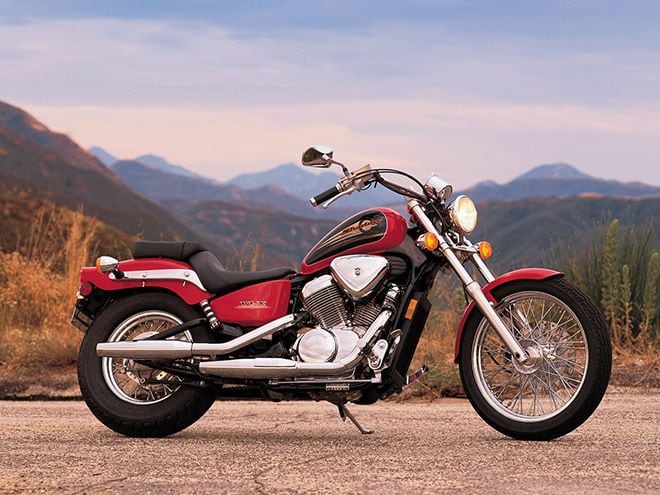
The Honda Shadow 600 VLX, notable for its approachable displacement, presents an alluring gateway into cruiser motorcycling. With its 583cc V-twin engine, this machine strikes a delicate balance, offering enough power to satiate the appetite of intermediate riders while maintaining manageable handling characteristics. Its design — marked by a sleek, minimalist frame and classic cruiser lines — appeals not solely to the practicality of performance but also to an emotional farewell to the bygone era of raw motorcycling simplicity.
Conversely, the 1100 ACE embodies a different breed of cruiser sophistry. By delivering an 1099cc V-twin engine enhanced with Advanced Combustion Efficiency (ACE), this model doesn’t just assert dominance in displacement; it redefines it with a heightened sense of refinement and efficiency. The ACE technology intricately optimizes fuel combustion, allowing for smoother power delivery and reduced emissions—an engineering testament to Honda’s commitment to blending tradition with innovation. This bike compels the observer to reconsider preconceived notions of large cruiser motorcycles as inherently unwieldy or unsubtle.
Beyond engine specifications, the chassis and suspension components of these two models illuminate contrasting riding experiences. The 600 VLX primely focuses on accessibility, equipped with telescopic front forks and a rear twin-shock suspension tuned for comfort yet responsive enough for urban maneuvering. This setup caters to those who prioritize ease of use and everyday usability, whether cruising city streets or tackling curvier two-lane roads.
In contrast, the 1100 ACE is engineered with a focus on highway stability and long-distance comfort. Bolstered by a more substantial frame and upgraded suspension elements—including a beefier front fork and a more sophisticated rear shock absorber—it reverberates with confidence when highways stretch endlessly ahead. This technical superiority translates to diminished rider fatigue over prolonged durations, subtly shifting the motorcycle’s identity from a casual pleasure ride to a capable tourer.
Another compelling facet of this comparison rests in the ergonomic architecture of both machines. The 600 VLX features a lower seat height and narrower profile, encouraging a relaxed riding posture that many novices and shorter riders find advantageous. It encourages confidence at stops and low speeds, often a determining factor for those new to the cruiser segment. Meanwhile, the 1100 ACE, while maintaining classic cruiser attributes such as swept-back handlebars and a relaxed footpeg position, presents a slightly higher seat profile and broader territorial footprint. This affords greater breathing space and comfort during extended rides but may prove less approachable for those with limited motorcycling experience.
Visually, the two cruisers possess an undeniable kinship through shared design language—a testament to Honda’s intent to cultivate brand identity within this segment. Yet subtle stylistic nuances reveal the inherent character of each. The 600 VLX acknowledges its retro lineage with simplified instrumentation and a more restrained use of chrome, cultivating an aura of unpretentious reliability. The 1100 ACE, however, embraces embellishments and robust styling cues, such as dual exhaust pipes and a slightly more muscular fuel tank, reflecting its elevated performance status and rider aspirations for presence on the road.
Fuel economy and maintenance also contribute to the fascination surrounding these models. The 600 VLX’s smaller engine and simpler mechanics often translate into lower operating costs—it is a motorcycle designed with pragmatism in mind. Meanwhile, the 1100 ACE’s advanced combustion system, while marginally more complex, offers a competitive balance of power and fuel efficiency uncommon among large displacement cruisers of its era. Maintenance intervals and parts availability further underscore the practicality of both models, with Honda’s legendary reliability mitigating potential concerns about servicing vintage machinery.
What, then, fuels the ongoing captivation that these two shadows cast over the cruiser community? Partially, it is the evocative nature of their design and functionality—silent narrators of a motorcycling epoch where performance met soulful riding experience. More profoundly, their coexistence within the same family enables a vivid exploration of rider priorities and preferences, spanning from simplicity and approachability to power and sophistication. This duality offers a rare juxtaposition within a single manufacturer’s lineup, inviting debates and personal reflections about what truly defines the cruiser ethos.
Engaging with the 1999 Honda Shadow 600 VLX and 1100 ACE invites an inward journey just as much as it does a physical one across the miles. These motorcycles are not merely mechanical conduits of transportation—they serve as cultural vessels encapsulating rider identity, aspiration, and nostalgia. Whether attracted by the 600 VLX’s intimate charm or the commanding poise of the 1100 ACE, enthusiasts encounter more than performance metrics and stylistic differences; they grapple with a deeper resonance about motorcycling as an expression of individual freedom and timeless rebellion.
In the final analysis, the 1999 Honda Shadow 600 VLX and 1100 ACE illustrate the expansive spectrum that the cruiser class can encompass. They simultaneously represent a nod to the past and a bridge to the future of motorcycling culture—solidifying their status as icons that continue to stimulate admiration and thoughtful comparison. For riders standing at the crossroads of choice, these two machines offer not just options but profound statements on the art and soul of the cruiser motorcycle.