Have you ever wondered how a seemingly simple engine manages to power everything from chainsaws to dirt bikes with such relentless energy? Perhaps the real challenge lies in unveiling the anatomy of a 2-stroke engine—an intricate yet surprisingly compact marvel of mechanical engineering. Unlike its 4-stroke counterpart, the 2-stroke engine operates on just two movements of the piston to complete a power cycle, blending complexity with efficiency in a way that intrigues both beginners and seasoned mechanics alike.
At first glance, the 2-stroke engine might seem deceptively straightforward: a robust cylinder housing a piston, some ports, and a crankcase. But beneath this simplicity resides a finely tuned orchestra of parts that dance harmoniously to transform fuel into motion. This guide peels back the layers, assembling the puzzle piece by piece, and paints a vivid picture of what happens inside this compact powerhouse.
Fundamental Components of a 2-Stroke Engine
Before diving into the diagram, it’s essential to familiarize yourself with the key components that define the engine’s character. Each part plays a specific role in maintaining the engine’s rhythm and performance.
- Piston: This is the heart of the engine, moving up and down inside the cylinder to compress the fuel-air mixture and transmit the force of combustion to the crankshaft. The piston’s swift journey defines the two strokes—compression and power.
- Cylinder: The cylindrical chamber houses the piston. It is meticulously machined to ensure a perfect seal with the piston rings and withstand the intense pressures and temperatures generated during combustion.
- Crankcase: More than just a shell, the crankcase acts as a pump, aiding in drawing the fuel-air mixture into the cylinder, and often houses the crankshaft and connecting rods.
- Crankshaft: Connected to the piston via the connecting rod, this shaft converts the reciprocal motion of the piston into rotational motion, ultimately transferring power to whatever device the engine is propelling.
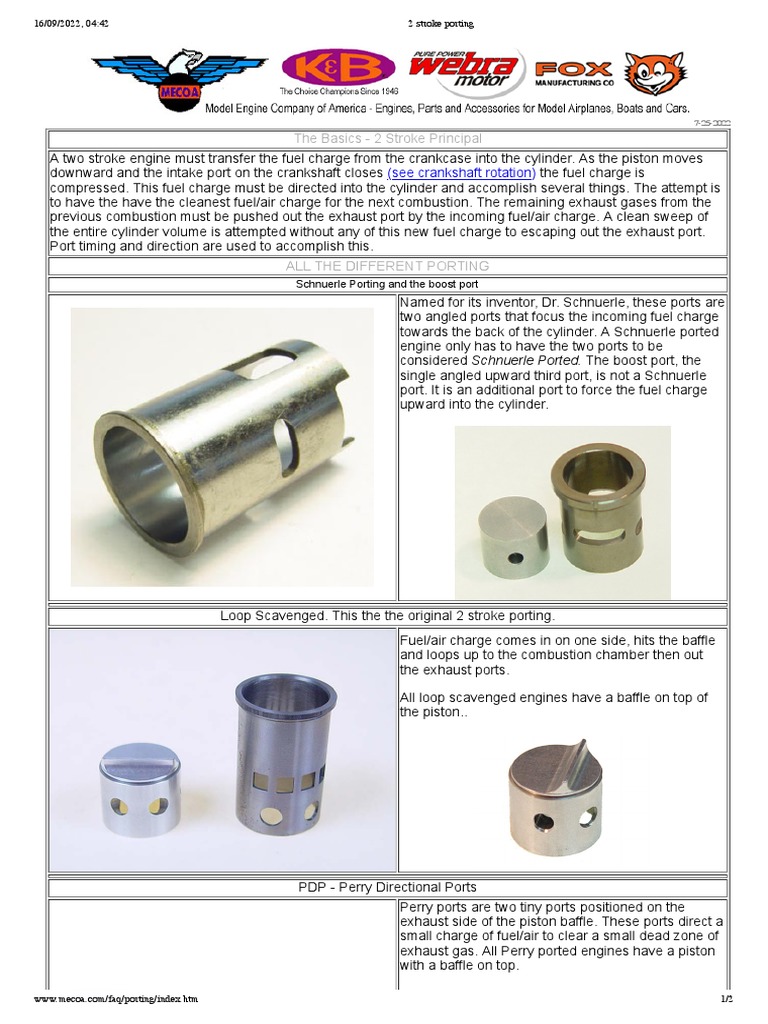
- Ports: Instead of valves found in 4-stroke engines, 2-stroke engines use ports: Intake, Exhaust, and Transfer ports. These openings in the cylinder walls are timed perfectly through piston movement to control the flow of fuel and exhaust gases.
- Spark Plug: Located at the cylinder head, it delivers the impeccably timed spark that ignites the compressed fuel-air mixture.
- Connecting Rod: This slender yet sturdy rod connects the piston to the crankshaft and transmits the energy generated from combustion.
Understanding the Working Mechanism through the Diagram
The true magic of a 2-stroke engine unfolds when examining the engine through its cycle stages. Imagine the piston performing a duet—alternating its direction between the top and bottom of the cylinder. This movement governs the sequential opening and closing of the ports, orchestrating the intake, compression, combustion, and exhaust processes in only two piston strokes.
Stroke One: Compression and Power
As the piston moves upwards, it compresses the fuel-air mixture trapped in the combustion chamber above it. Simultaneously, the downward volume change in the crankcase draws in a fresh fuel-air mixture through the intake port. At the peak of the piston’s stroke, the spark plug ignites the compressed mixture, releasing an explosive force that thrusts the piston downward.
Stroke Two: Exhaust and Transfer
The piston’s downward motion exposes the exhaust port first, allowing burnt gases to evacuate the cylinder rapidly. Just moments later, the transfer port opens, and the pressurized fresh mixture in the crankcase is forced into the combustion chamber, effectively flushing out residual exhaust while filling the chamber with a new charge.
This direct and unvalved system is what grants the 2-stroke engine its hallmark power-to-weight ratio, delivering a power stroke every revolution of the crankshaft, unlike the 4-stroke which delivers power every other revolution.
Key Features and Advantages of 2-Stroke Components
What sets 2-stroke engines apart often lies in the ingenuity of their component design. For example, the use of ports instead of valves reduces mechanical complexity and weight. This absence allows for faster engine speeds—an advantage in applications demanding agility and responsiveness.
The piston rings, while similar to other engines, face unique challenges here due to the constant movement across the ports. High-quality, durable materials are often employed to maintain seal integrity and minimize wear. Furthermore, the crankcase’s dual role as a combustion enclosure and a pressurizing pump showcases multifunctionality seldom seen in engine design.
Common Challenges and Considerations
Despite their strengths, 2-stroke engines confront hurdles, especially regarding emissions and lubrication. Because the fuel and oil are mixed before entering the combustion chamber, unburned fuel can exit directly out of the exhaust, leading to inefficiency and environmental concerns. This is one reason why 2-stroke engines have been progressively supplanted by more environmentally conscious alternatives in many sectors.
Additionally, the absence of a dedicated lubrication system means the oil must be finely balanced in the fuel mixture, or the engine risks premature wear. Understanding the intricate relationship between components assists beginners in appreciating these challenges and why precise maintenance is crucial.
Exploring the Diagram: A Visual Journey
Through the illustration of a 2-stroke engine parts diagram, the dynamic interplay between components comes into vivid focus. Visualizing how the piston’s position aligns with the opening and closing of the intake, transfer, and exhaust ports deepens comprehension beyond abstract descriptions.
The diagram typically highlights the layering of parts within the compact engine housing, revealing how space is optimized and how each section contributes to the engine’s continuous cycle. This schematic serves as a valuable tool, transforming curiosity into clarity and aiding hands-on learners in diagnosing issues or performing assembly.
Conclusion: Embracing the Art of Simplicity and Performance
Unraveling the two-stroke engine’s anatomy unveils more than just mechanical parts; it exposes an elegant synergy of design and function. The charm lies in its minimalism: fewer components performing multiple jobs, a rhythmic cycle of power delivered with every revolution, and a compact form factor that’s perfect for applications where size and weight matter.
For beginners, the 2-stroke engine is both a challenge and a gateway—a tantalizing puzzle framed by the piston’s dance and the secret passageways of ports. Grasping its parts and their harmonious interaction is the first step towards becoming adept at tuning or repairing these dynamic engines. So next time you hear the distinctive roar of a 2-stroke, imagine the precise timing and the spirited chamber of components working tirelessly within.