Imagine cruising down a scenic highway, the wind teasing your hair and the rhythmic hum of the engine beneath you. Now, picture your ride boasting not one, but two wheels in the front. It’s a sight that turns heads and challenges preconceived notions about motorcycle design. But is this innovation a groundbreaking evolution or merely a fleeting novelty destined to stall? The concept of motorcycles with two front wheels has sparked curiosity and skepticism in equal measure, leading enthusiasts and purists alike to ponder: are these trikes-with-a-twist the future—ushering in a new era of stability and performance—or are they a mechanical dead-end?
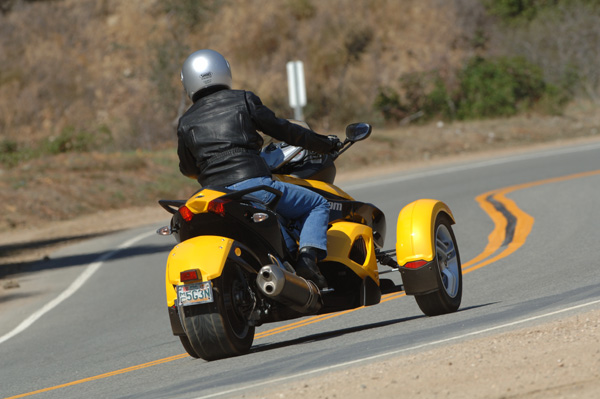
The idea of adding a second wheel to the front axle may seem simple at first glance, yet it represents a complex confluence of engineering, ergonomics, and rider psychology. Traditional motorcycles, with their singular front wheel, demand a delicate balance of coordination and skill. This dynamic equilibrium is both the allure and the challenge of riding. Two front wheels, however, rewrite this paradigm by enhancing stability, particularly in corners and adverse conditions. Such vehicles are often referred to as leaning multi-wheelers, indicating their ability to lean into curves much like conventional motorcycles, yet with augmented grip and confidence.
This dual-wheel configuration promises tangible benefits. Enhanced traction is paramount, especially in inclement weather, where wet or slippery roads can turn a leisurely ride into a hazardous endeavor. By increasing the contact patch with the pavement, two wheels in front distribute weight more effectively, potentially reducing the risk of front-end washouts or tipping. For riders who prioritize safety without sacrificing agility, this innovation may prove a godsend. Further, the redundancy offered by an additional wheel can provide reassurance; should one tire lose grip, the other may maintain sufficient traction to prevent catastrophic failure.
From a mechanical perspective, integrating two front wheels introduces a new realm of challenges and opportunities. Traditional fork assemblies give way to sophisticated suspension systems, often involving parallelogram linkages or double wishbones. This complexity is not merely aesthetic but function-driven, designed to allow both wheels to articulate independently while maintaining synchronized lean angles. The engineering intricacies result in a more complex steering mechanism, which can alter the “feel” of the motorcycle, sometimes requiring riders to adapt their inputs and muscle memory.
But while the benefits may be compelling, questions linger about market acceptance and utility. Motorcycling culture has long been steeped in tradition, with many riders favoring the purity and responsiveness of two-wheeled machines. Skeptics argue that two-front-wheel motorcycles may dilute the visceral connection between rider and machine, substituting mechanical complexity for instinctual riding prowess. Additionally, maintenance considerations escalate with more components susceptible to wear and damage, potentially increasing ownership costs and deterring purists.
Then arise the ergonomic considerations. The wider front end can affect lane splitting or navigating through congested urban environments, where nimbleness is invaluable. Moreover, the added mechanical parts often translate to increased weight, influencing acceleration, braking, and fuel efficiency. Some riders may find the altered balance and handling unsettling at first, necessitating a period of acclimatization. However, for newcomers or older riders who seek enhanced stability without completely abandoning the motorcycle experience, this configuration can serve as an inviting middle ground.
Innovation seldom marches smoothly. Early adopters and manufacturers grapple with the tradeoffs between novel technology and consumer expectations. Several companies have invested heavily in developing three-wheeled motorcycles with two front wheels, demonstrating earnest commitment to the concept. Their efforts hint at a potential shift in the motorcycling landscape—a fusion of safety, performance, and accessibility. As these models continue to evolve, improvements in materials, suspension technology, and rider assistance systems could mitigate present challenges, making the riding experience more intuitive and enjoyable.
Looking ahead, the integration of two front wheels may dovetail with emerging trends in electric propulsion and autonomous features. Enhanced stability offers a foundation for advanced safety interventions, such as collision avoidance or stability control. Electrified powertrains could alleviate weight concerns, redistributing mass more favorably across the chassis. Furthermore, broader motorcycle adoption may be spurred by designs that cater to a wider demographic, including novice riders and those who eschew the perceived risks of traditional two-wheelers.
Yet, the road is far from assured. Market penetration depends not only on technical merits but also on perception and rider identity. Motorcycling is often as much about emotional connection as it is about transportation. Whether the industry can convince enthusiasts that two wheels upfront do not diminish the soul of the ride is a question that transcends specifications. It’s a cultural negotiation as much as a technological one.
In sum, motorcycles sporting two front wheels are neither unequivocal harbingers of the future nor inevitable failures relegated to novelty status. They occupy a fascinating niche—a foot in both tradition and innovation. While they provide palpable improvements in stability and safety, they challenge entrenched notions about what a motorcycle should be. Their destiny will likely be shaped by continued engineering advancements, market receptivity, and evolving rider priorities.
So, is the dual-front-wheel motorcycle an evolutionary leap or a temporary curiosity? Perhaps the real answer lies not in a binary judgment, but in how riders and manufacturers adapt; embracing the interplay of risk and innovation that defines the very essence of motorcycling itself.