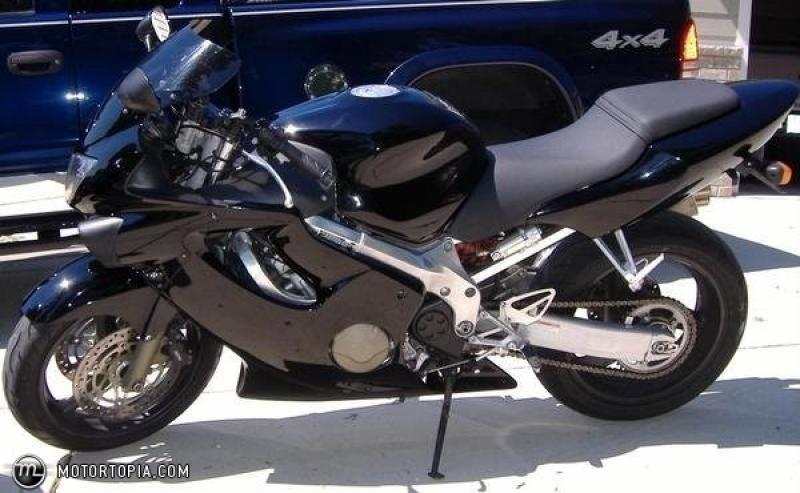
The 2000 Honda CBR600 F4 is often seen cruising through the streets, admired not just for its sleek design but for its unique position in the motorcycle world. It’s a model that continuously piques curiosity among both novice riders and seasoned enthusiasts alike. Commonly regarded as an ideal beginner sportbike, this perspective merits a closer examination, one that delves beyond its surface appeal to understand the nuanced reasons for its lasting allure.
At first glance, the CBR600 F4 embodies the quintessential attributes of a dependable starter in the sportbike category. Its balanced power, manageable handling, and approachable ergonomics create an inviting package for newcomers to the sport. But what distinguishes the 2000 iteration in particular is its harmonic blend of performance and rider confidence—a synthesis that many beginner motorcycles strive for but seldom achieve. This bike doesn’t just perform; it educates, gently coaxing the rider to grow in skill and confidence without overwhelming them.
Underneath its aerodynamically sculpted fairings lies a meticulously engineered 599cc liquid-cooled, inline four-cylinder engine. This powerplant delivers a responsive yet tame throttle, crucial for those still acquainting themselves with the nuances of sportbike control. Its output is robust enough to satisfy the occasional burst of excursion on open roads but controlled enough to prevent novice riders from inadvertently pushing beyond their limits. The engine’s character is notably linear, meaning power delivery happens smoothly and predictably, which reduces the risk of abrupt acceleration surprises that could unsettle inexperienced riders.
One of the hallmark traits contributing to the F4’s reputation as a beginner’s favourite is its chassis design. Honda’s commitment to precision engineering is apparent in the frame’s rigidity paired with a somewhat forgiving flex—an exquisite balance. This allows for nimble handling without the hyper-sensitive twitchiness that can intimidate a new rider. The suspension setup features accommodating fork damping and progressively stiffening rear shocks, enabling the bike to negotiate both city streets and twisty backroads with composure and stability. The calming feedback through the handlebars and seat further bolsters a rider’s sense of command, fostering trust in the machine.
Equally vital is the ergonomics that the CBR600 F4 offers. Unlike aggressive supersport motorcycles meant exclusively for performance, where riders are hunched over like racers, this model adopts a moderately upright seating posture. This encourages comfort during longer rides and reduces fatigue—two critical factors that help beginners maintain focus and enjoyment. The controls fall naturally under the rider’s fingers and toes, making gear changes and braking intuitive, an often underappreciated aspect that increases safety margins.
Beyond mechanical prowess, the 2000 CBR600 F4 embodies an aesthetic charisma that transcends mere functionality. Its sleek lines and purposeful stance evoke a sense of speed even at a standstill. The motorcycle’s design language reflects Honda’s mastery of blending form with function—every curve and vent is purposeful, aiding in aerodynamic efficiency and heat dissipation. For a beginner rider, the confidence derived from sitting astride a machine that looks as serious as it performs is invaluable. It cultivates a psychological edge, the feeling of riding not just a machine but a well-respected tool born of thorough engineering and design excellence.
Moreover, there is a subtle psychological dimension to the F4’s appeal among beginners. The allure is not solely based on tangible characteristics but also an intangible promise—the promise of progression. The Honda CBR600 F4 serves as a bridge that connects entry-level experiences to more advanced riding aspirations. Owning this bike means riders aren’t confined to the limitations of a purely beginner-class motorcycle. There’s room to grow, learn, and even challenge oneself. This latent scalability is a profound reason why the model often engenders a deep fascination; it invites not only a beginning but the potential for mastery.
The motorcycle’s practical aspects further underscore its status as an ideal platform for novices. Its reputation for reliability and ease of maintenance makes it less daunting for new riders who may not yet have developed a mechanical intuition. Additionally, parts availability and a solid aftermarket community support owners in keeping their machines in pristine condition without extraordinary expense or difficulty. This blend of practicality with sportbike excitement results in a balanced ownership experience that appeals to those just embarking on their motorcycling journey.
When compared to contemporary alternatives, the 2000 Honda CBR600 F4 holds its ground impressively. While many beginner motorcycles shy away from sportbike styling or compromise too heavily on performance, the F4 presents a harmonious synergy of aesthetics, functionality, and rider engagement. It steers clear of being either too elementary or excessively aggressive, enabling it to serve as a longstanding favorite. Its continued popularity, over two decades later, attests to the thoughtful engineering philosophy underpinning its design.
In considering whether the 2000 Honda CBR600 F4 is the perfect beginner sportbike, one must look beyond simple statistics and outright performance figures. It’s about the nuanced rider experience—the subtle blend of confidence, learning potential, and thrill—that makes its legacy endure. The motorcycle unites mechanical prowess with ergonomics and style, creating an inviting sanctuary for those taking their first stride into motorcycling’s exhilarating world.
Ultimately, the fascination with the 2000 Honda CBR600 F4 transcends its role as a beginner motorcycle. It embodies an ethos—a thoughtful balance between accessibility and aspiration. It is a bike that doesn’t just introduce riders to sport riding; it invites them to dream and evolve within the ride itself. This is why the model continues to captivate new generations, proving that perfection in a beginner sportbike lies not merely in power or looks, but in the holistic harmony achieved between man and machine.