The 2001 Harley-Davidson Fat Boy has long held a distinctive place in the pantheon of cruiser motorcycles. Its silhouette, defined by broad, beefy tires and imposing presence, is instantly recognizable. Even decades after its initial release, the Fat Boy continues to evoke admiration and intrigue among riders and enthusiasts alike. But what exactly cements its status as an iconic cruiser? Is it merely nostalgia, or are there deeper facets that uphold its enduring allure? To answer these questions, one must delve beneath the surface, exploring not only the machine’s specifications and design but also the cultural and emotional bonds it forges with its riders.
At first glance, the 2001 Fat Boy appears as a quintessential embodiment of Harley-Davidson’s cruiser ethos. It is muscular, substantial, and unapologetically bold. The bike’s signature solid disc wheels, a hallmark of its design, contribute to its unique character, distinguishing it from other cruisers on the road. These wheels, combined with a truncated fender and a low, wide stance, create a visual footprint that communicates power and stability. The Fat Boy’s design refrains from overt extravagance; instead, it adopts a minimalist yet robust aesthetic, proving that restraint can be as impactful as flamboyance.
Beyond mere visual appeal, the 2001 Fat Boy is powered by the venerable Evolution V-twin engine, delivering an intoxicating blend of torque and rumble. This engine, renowned for its reliability and smooth performance, produces a sonorous exhaust note that has become synonymous with the Harley sound. For many riders, this auditory signature is more than just noise—it is a visceral connection to the machine, a primal expression of freedom and rebellion on two wheels. The thunderous growl resonates in the soul, creating an indelible impression that transcends the mechanical.
Yet, focusing solely on specifications or aesthetics would only scratch the surface of why the 2001 Fat Boy retains its status as a cruiser icon. It is in the synthesis of these tangible elements with intangible meanings that the motorcycle achieves its mythos. The Fat Boy represents more than transportation; it embodies a lifestyle, a statement of individualism, and an escape from the mundane. Decades ago, Harley-Davidson’s resurgence hinged on capitalizing on the cruiser’s role as a cultural symbol, not merely a mode of conveyance. The 2001 model arrived at a time when riders craved machines that were both reliable and steeped in heritage. The Fat Boy answered that call with unwavering conviction.
Moreover, the Fat Boy’s appeal is also generational. For some, it conjures memories of open-road freedom and countercultural movements; for others, it serves as an aspirational icon, a dream bike that promises adventure and self-expression. This duality is part of its mystique. The 2001 iteration, in particular, is seen as a bridge between eras—carrying forward classic sensibilities while incorporating incremental technological improvements that ensured competitiveness without sacrificing soul. For instance, while modern motorcycles increasingly emphasize electronics and rider aids, the Fat Boy retains a rawness that appeals to purists who favor mechanical simplicity and direct feedback from the machine.
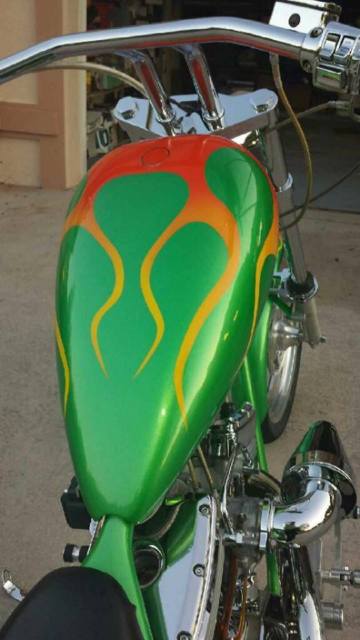
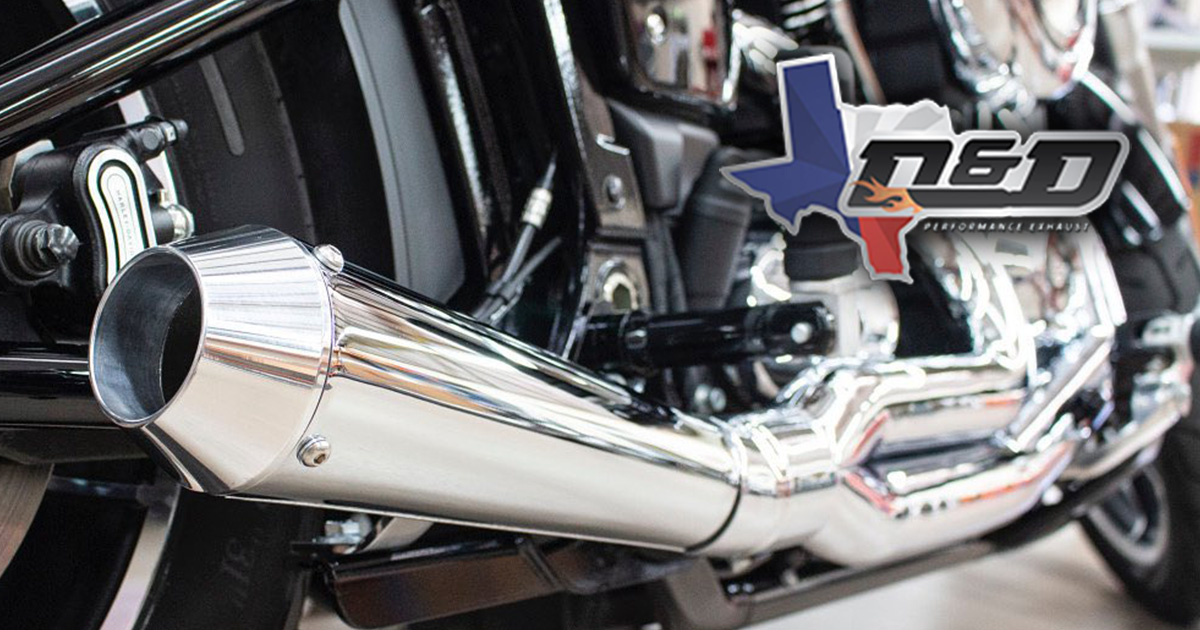
Another aspect contributing to the Fat Boy’s legendary standing is its adaptability. While it is firmly rooted in cruiser tradition, it has been embraced by a diverse spectrum of riders—ranging from weekend wanderers to seasoned motorcycle aficionados. The comfortable seating position, manageable weight, and responsive throttle permit both relaxed cruising and spirited rides. The bike’s ability to accommodate customizations further cements its place within Harley’s lineage as a canvas for personalization. Custom culture flourishes around the Fat Boy, with countless examples boasting bespoke paint jobs, exhaust modifications, and accessory enhancements that reflect their owners’ identities.
Yet, even as the 2001 Fat Boy endures in esteem, it is not without critique. Some observers note that compared to newer models and competitors, the bike’s technology feels antiquated. Features such as anti-lock brakes, fuel injection, and advanced suspension systems were still in their infancy or absent in this era. For riders prioritizing cutting-edge technology and performance metrics, the Fat Boy’s charms may not suffice. However, this criticism highlights a central truth about the bike’s appeal: it is not about being the most advanced or fastest, but about offering an immersive riding experience steeped in tradition and emotion.
Ultimately, the fascination with the 2001 Harley-Davidson Fat Boy endures because of its layered significance. It is a machine that conjures a sense of history while remaining accessible and relevant. It speaks to a yearning for authenticity, a desire to connect with both machine and myth. The Fat Boy is a totem of the American road, a moving sculpture that encapsulates an era of motorcycling when personality often mattered as much as performance. Its continued desirability is a testimony to the power of design, sound, and cultural resonance converging in a single emblematic cruiser.
In conclusion, the 2001 Harley Fat Boy stands not merely as a motorcycle but as a symbol of freedom, identity, and enduring style. Its stature within the cruiser domain is affirmed not just by its mechanical specifications or aesthetic choices, but by the profound emotional ties it galvanizes in those who ride it or simply admire it. It endures as an icon because it transcends time, enticing new generations while honoring the past. The machine’s simplicity, combined with a throaty growl and distinctive stance, creates an experience that remains compelling over two decades later. For many, the Fat Boy is less a vehicle and more a declaration—a rolling testament to the spirit of the open road.