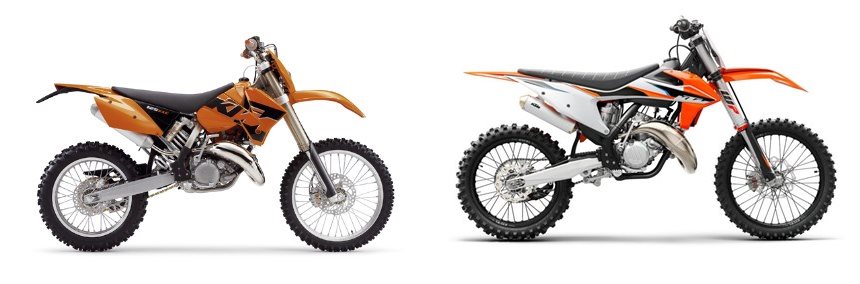
When navigating the realm of off-road motocross motorcycles, discerning riders often find themselves torn between machines that promise distinctive advantages. The 2001 KTM 125 SX, 200 EXC, and 520 EXC each carve their niche with a blend of engineering prowess, raw power, and versatility. Examining these models side by side not only highlights their individual attributes but also aids enthusiasts in selecting the optimal companion for their riding desires. From track dominance to trail mastery and enduro endurance, these motorcycles exemplify KTM’s commitment to performance and innovation.
Beginning with the 2001 KTM 125 SX, this bike epitomizes the lightweight agility and explosive power of a finely tuned two-stroke engine. Renowned for its nimbleness, the 125 SX weighs significantly less than its larger counterparts, allowing for quicker acceleration and enhanced maneuverability. The compact chassis fosters an intimate connection between rider and machine, making it an ideal candidate for tight, technical tracks where precision is paramount. Its 124cc engine revs eagerly, delivering a powerband that appeals to racers aiming for rapid bursts and quick cornering transitions.
Transitioning to the 200 EXC, KTM introduces a more versatile two-stroke that blends enduro readiness with spirited performance. Slightly larger in displacement at 199cc, the 200 EXC boasts a more tractable power delivery, crafting a harmonious balance between raw speed and manageable control. Its suspension setup is tuned to absorb rough terrain and endure longer rides, distinguishing it as a formidable off-road contender beyond the confines of a race track. With this model, riders gain an enhanced fuel capacity and a more rugged frame, enabling intensive trail exploration without compromising agility.
The heavyweight entrant, the 520 EXC, commands attention with its robust four-stroke engine, delivering substantial torque and durability. This model’s displacement eclipses its two-stroke siblings at 510cc, providing a muscular power output suited for aggressive trail riding and grueling enduro competitions. The 520 EXC’s engineering focuses on reliability and rider comfort during extended adventures, featuring an advanced suspension system and ergonomic design. Its heavier weight is offset by superb ground clearance and stability, proving advantageous in navigating diverse terrain, whether ascending rocky inclines or cruising swift forest pathways.
Comparing these three distinct models reveals clear demarcations in their intended applications. The 125 SX excels in lightweight performance and responsiveness, carving through tight tracks with unparalleled finesse. However, its smaller fuel tank and limited endurance make it less suitable for prolonged trips or rougher landscapes. The 200 EXC bridges this gap admirably, offering greater versatility — a capable racer on short circuits, yet resilient enough for intermediate cross-country adventures. Its balance of power and durability caters to riders seeking a do-it-all motorcycle.
Meanwhile, the 520 EXC dominates in versatility on demanding trails and extended rides. Its four-stroke character provides a linear and manageable throttle response, often preferred for technical sections where traction and control are critical. The increased engine size may intimidate beginners but rewards experienced riders with substantial pulling power and confidence-inspiring handling. This model is also favored for its robust construction, reducing maintenance frequency and enhancing longevity, vital for those logging extensive off-road hours.
Biomechanically, rider ergonomics vary among these models, highlighting considerations beyond raw specifications. The 125 SX’s compact frame demands a more active riding posture, which can be physically taxing during longer outings but advantageous for aggressive maneuvering. In contrast, the 520 EXC’s spacious cockpit and refined suspension mitigate rider fatigue, enhancing stamina on prolonged excursions. The 200 EXC fits comfortably between these extremes, catering to a broad spectrum of body types and riding styles.
From a technological standpoint, KTM’s advancements during this era are evident across the trio. The 125 SX showcases lightweight materials and a high-performance reed-valve induction system, maximizing combustion efficiency. The 200 EXC incorporates an improved power valve system, smoothing the power curve and extending usability across varied terrains. The 520 EXC, leveraging four-stroke technology, integrates a sophisticated fuel injection system and reinforced engine internals, emphasizing durability and smoother power delivery.
Maintenance and operational costs also factor into the decision-making process. Two-stroke engines like those in the 125 SX and 200 EXC generally require more frequent top-end rebuilds due to their design, but they are simpler mechanically and lighter in weight. The 125 SX, in particular, demands precision tuning to maintain peak performance, which might necessitate a more hands-on owner. Conversely, the 520 EXC’s four-stroke engine, though heavier and more complex, typically enjoys longer service intervals and more forgiving tune-ups, beneficial for riders preferring reduced upkeep.
In essence, selection hinges on intended usage and rider preference. Enthusiasts prioritizing rapid-fire acceleration and sharp handling on competitive motocross tracks may gravitate toward the 125 SX. Those seeking an adaptable machine for both racing and trail riding might find the 200 EXC’s balance appealing. For riders pursuing extensive enduro challenges or requiring a robust, torque-rich motorcycle capable of conquering diverse and arduous terrain, the 520 EXC emerges as the preeminent option.
Furthermore, the interplay between rider skill and motorcycle characteristics should not be underestimated. The 125 SX often rewards precision and finesse, demanding a level of expertise to harness its full potential. The 200 EXC accommodates a wider skill range, easing newcomers into off-road adventures while still satisfying seasoned riders. The 520 EXC’s imposing nature may intimidate novices but fosters confidence in adept operators through its stability and power.
In conclusion, the 2001 KTM 125 SX, 200 EXC, and 520 EXC each exemplify distinct facets of off-road motorcycling excellence. Their respective engines, chassis designs, and ergonomic considerations offer varied experiences tailored to specific needs. Deciding which one “wins” ultimately depends on a rider’s priorities — whether that be razor-sharp race track performance, versatile enduro capabilities, or commanding power and endurance on the toughest trails. Through understanding the nuanced differences, riders can make an informed choice that aligns seamlessly with their ambitions and the terrain they wish to conquer.