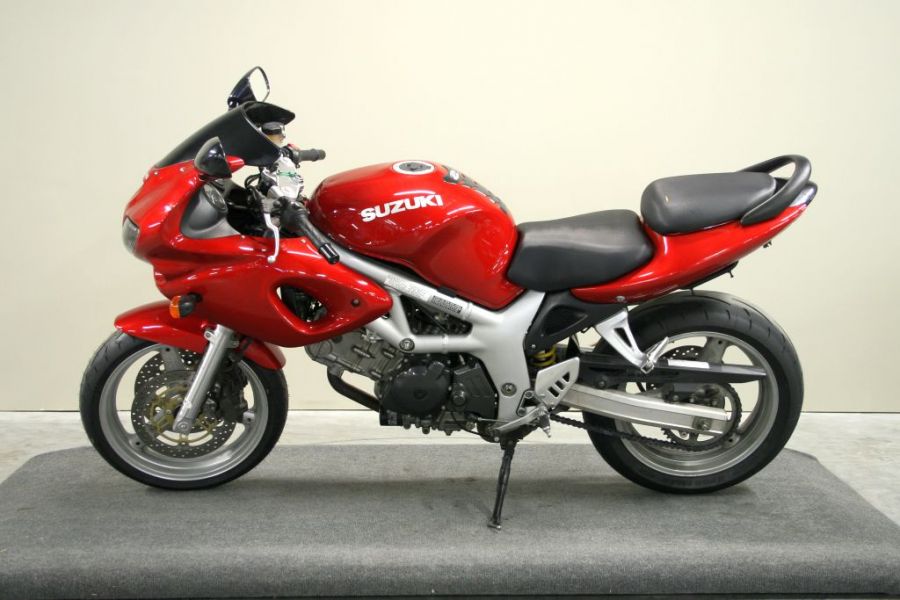
Few motorcycles achieve the kind of enduring admiration that the 2001 Suzuki SV650 has garnered over the decades. Its presence on roads and in garages around the world reflects more than just nostalgia or practicality—it speaks of a profound connection between machine and rider. The SV650, introduced in the late 1990s and evolving into the 2001 model year with notable refinements, embodies a synthesis of performance, reliability, and rider engagement that remains compelling even in an era saturated with more advanced technology. Understanding why this particular motorcycle continues to captivate enthusiasts requires an exploration that goes beyond specifications, delving into the nuanced relationship it fosters with its audience.
The 2001 Suzuki SV650 is frequently observed as a quintessential middleweight naked bike, a category balancing agility with sufficient power to enthrall both novices and seasoned riders alike. What sets it apart at first glance is its uncluttered, purposeful aesthetic—a clean, minimalist design that foregoes extraneous bodywork in favor of exposing its mechanical heart. The compact V-twin engine, proudly displayed beneath a sculpted tank, carries a distinct visual identity. This is not merely a styling choice; it beckons riders to appreciate the craft and mechanical precision beneath the surface, enhancing the sense of unity between human and machine.
In an age where motorcycles often prioritize extravagant horsepower figures or cutting-edge electronics, the SV650’s moderately tuned 645cc V-twin engine offers something arguably more rare: balance. It produces a rich, linear torque curve that is as approachable for new riders as it is rewarding for veterans. The engine’s character is neither brutal nor tame. It offers an engaging throttle response, aural pleasure through its distinct exhaust note, and a mechanical simplicity that invites maintenance rather than alienates it. This dynamic readily fosters a kinship—a tactile feedback loop where the rider’s inputs find immediate and intelligible responses, cultivating confidence and encouraging spirited riding without intimidation.
Another common observation about the 2001 Suzuki SV650 is its versatility. It occupies a unique sweet spot among motorcycles: agile enough to navigate urban environments with finesse, yet stable and composed enough for spirited canyon carving and weekend touring. This adaptability speaks to an intrinsic understanding of rider needs. It is not merely a bike for short bursts of excitement; it is a faithful companion that fits seamlessly into various lifestyles. Its ergonomic design ensures comfort over longer distances without sacrificing the spirited riding posture that many seek.
What often goes unnoticed but plays a crucial role in the bike’s lasting allure is its chassis and suspension setup. The SV650 features a nimble, lightweight frame that contributes to its agile handling characteristics. Riders often highlight how effortlessly the bike carves through corners, instilling a sense of confidence that belies its modest displacement. This characteristic combination of lightness and rigidity grants the rider liberty to explore the motorcycle’s limits incrementally. The suspension setup, while not overly sophisticated, strikes a commendable balance between comfort and control, further enhancing the bike’s user-friendly reputation.
Beyond physical attributes, the 2001 SV650’s continued popularity hints at deeper psychological factors. It embodies an accessible entry point into motorcycling’s more visceral pleasures—a gateway motorcycle that neither patronizes newcomers nor frustrates experienced riders seeking growth. This inclusiveness nurtures communities of enthusiasts who return repeatedly to the platform, customizing and personalizing their bikes while sharing stories of journeys, triumphs, and lessons learned. In this way, the SV650 transcends its identity as mere transportation, transforming into a canvas for self-expression and camaraderie.
The motorcycle also possesses an understated reliability, an almost unspoken virtue. Riders appreciate the fact that the SV650, equipped with its well-engineered components, seldom demands extravagantly frequent repairs. This dependability allows ownership to focus on enjoyment rather than mechanical headache. For many, the 2001 model represents a harmonious intersection of performance and pragmatism—a bike that encourages spirited riding while maintaining realistic maintenance commitments.
Technological purists might skim past the SV650 without a second glance, enticed instead by high-tech gadgets and sophisticated electronics featured on modern machines. Yet, this omission works in the SV650’s favor. Its relative mechanical simplicity invites riders to connect directly with the essence of motorcycling—the tactile feel of the clutch, the mechanical symphony of the V-twin, and the nuanced art of throttle control. It channels a riding experience unmediated by electronic intrusions, fostering an authentic dialogue between rider and road that many deem increasingly rare.
Furthermore, the 2001 Suzuki SV650’s influence extends beyond its own scope. It set a precedent that informed the design and philosophy of many subsequent Suzuki models and influenced competitors within the class. It strikes a delicate balance between sportiness and practicality that inspired a wave of motorcycles targeting versatility and rider engagement rather than sheer performance statistics. This legacy signifies the SV650 not simply as a machine of its time but as a benchmark for what middleweight motorcycles could aspire to achieve.
In conclusion, the mystique surrounding the 2001 Suzuki SV650 is anchored in a confluence of factors that together create a motorcycle experience both immediate and enduring. It is not just the specification sheet or the allure of a particular engine format that cements its place in motorcycling lore, but the way it resonates on a human level with riders from all walks of life. The SV650 invites a sense of connection—between rider, machine, and the open road—that is sincere, accessible, and profoundly satisfying. For many riders, it remains a beloved companion, a rite of passage, and a testament to the timeless appeal of simply good motorcycle engineering.