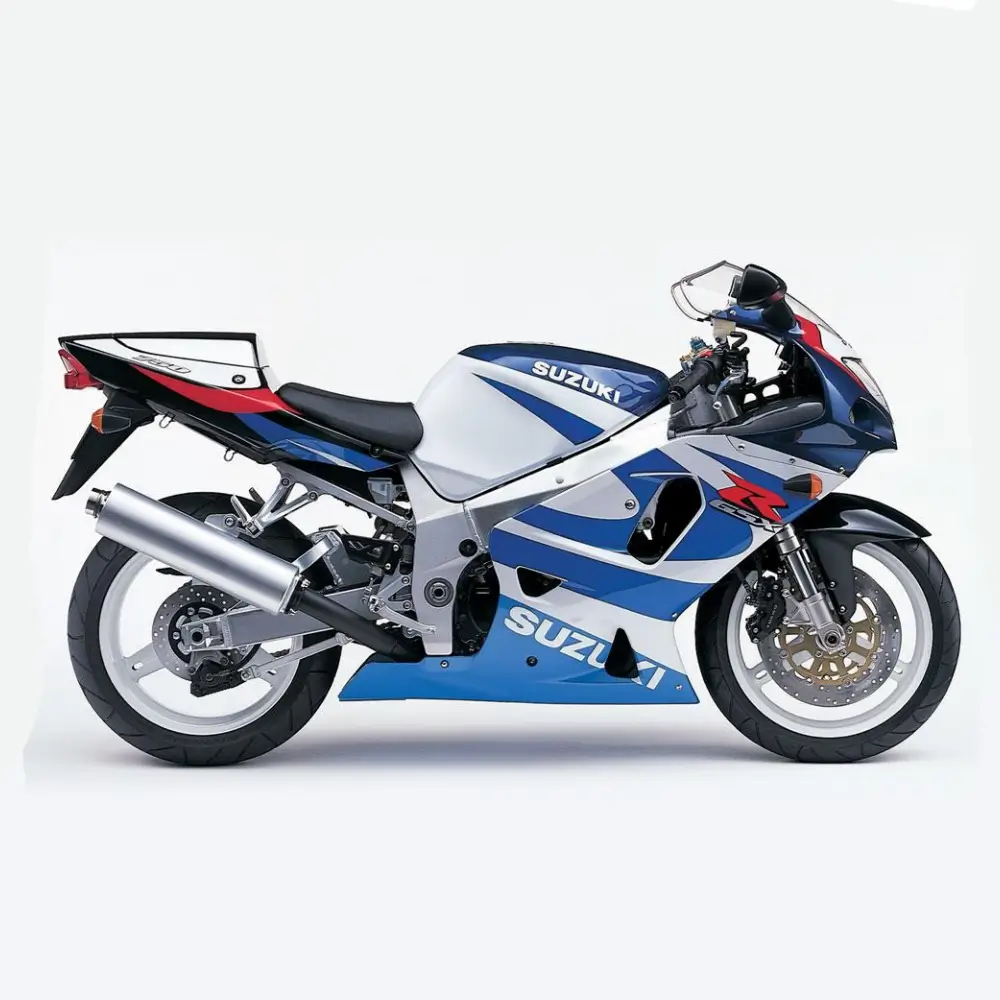
In the intricate dance of sportbikes, few rivalries captivate enthusiasts quite like that between the 2002 Suzuki GSX-R600 and its slightly larger sibling, the GSX-R750. Much like a pair of sibling warriors, each carries its own arsenal of attributes, strengths, and subtleties that speak to different facets of the riding soul. Deciding which contender takes the crown is an exploration not only of raw numbers but of character, engineering philosophy, and the visceral experience they deliver.
The 2002 Suzuki GSX-R600 can be seen as the lithe ninja of the duo—agile, lightweight, and aggressive. With a displacement of 599cc, it encapsulates the essence of precision and nimbleness. Power flows from its inline-four engine with a razor-sharp response that feels almost telepathic to the rider’s inputs. Tipping the scales at around 398 pounds (wet weight), this motorcycle delivers a feeling of featherlight command, allowing for quick, surgical maneuvers through twisting asphalt veins.
On the other side of the ring stands the 2002 Suzuki GSX-R750, a veritable samurai of the track and street. Slightly more muscular, it boasts a 750cc engine, offering a deeper well of torque and a rawer pulse. Weighing in at just a hair heavier, approximately 425 pounds wet, it balances heft and performance with an almost deceptive grace. Its power delivery is thick and robust, providing an exhilarating, adrenaline-laced thrust when the throttle is cracked open.
Examining the powerplant, the GSX-R600 churns out roughly 99 horsepower at 13,500 rpm, while the GSX-R750 boasts approximately 120 horsepower at 12,500 rpm. These figures tell a tale of two different philosophies. The GSX-R600’s engine sings at higher revs, rewarding riders who thrive on rev-matching precision and high-speed acrobatics. Conversely, the GSX-R750 offers a broader torque curve, making it more versatile across varied riding scenarios. In other words, the 600 is the scalpel, the 750 the broadsword.
Chassis and suspension dynamics contribute substantially to the unique appeal of each bike. The GSX-R600 employs a lightweight aluminum twin-spar frame that instills an unyielding rigidity while maintaining responsiveness. Paired with conventional telescopic forks and a linkage-type rear suspension, the bike exhibits crisp handling, lighting up corners with an eager willingness. This configuration creates a feedback loop where the rider feels intimately connected to every inch of road surface.
The GSX-R750, meanwhile, leverages a slightly beefier chassis to accommodate its larger engine and a somewhat wider power band. Though heavier, it compensates with a more robust suspension setup featuring inverted forks and a monoshock that absorbs imperfections with poise without sacrificing cornering clarity. The effect is a motorcycle that exudes confidence during sustained high-speed pursuits, yet remains adaptable enough to carve tight bends with authority.
Braking prowess on both machines is served by dual front discs—Nissin calipers—offering powerful and consistent stopping capabilities. The GSX-R600’s lighter frame allows for shorter stopping distances and a nimbleness that makes it almost dancer-like when decelerating into a corner. The GSX-R750 brings a more planted braking feel, where the additional mass translates into a firm grip, delivering a sense of stability when the pace intensifies.
Aesthetically, the 2002 GSX-R series share Suzuki’s signature styling cues of the era, marked by sharp, aerodynamic lines and aggressive fairings that practically slice through the air. Yet, subtle differences delineate their characters. The GSX-R600 almost looks like a wildcat ready to pounce—compact, taut, and tautly coiled energy. The GSX-R750, by contrast, radiates a more balletic strength, its broader frame and nuanced contours promising ferocity and endurance in one packaged form.
Rider ergonomics further sculpt each motorcycle’s personality. The GSX-R600’s cockpit is designed for riders seeking an intimate, direct interaction—where every movement is immediate, the frame a canvas for finesse and low-speed ballet. The GSX-R750 provides a slightly more forgiving ride posture, with a bit more room and comfort without sacrificing the sporty predisposition. This variance makes the 750 appealing to those who demand performance but crave a touch of everyday practicality.
When it comes to sheer performance on the track, the GSX-R600’s lightweight chassis and high-revving engine carve out an advantage in tight, technical circuits where agility and responsive handling reign supreme. Its acceleration might be a fraction behind the 750 in raw terms, but it rewards skilled pilots who expertly manipulate its rev window. Meanwhile, the GSX-R750’s superior torque and linear power delivery shine in tracks with sweeping bends and longer straights, where punch and momentum are king.
Modern riders who wrestle with the 2002 GSX-R600 versus the GSX-R750 conundrum often find their choice reflects personal philosophy as much as hard specs. The 600 appeals to the purist who appreciates razor-edge control and a lithe, responsive feeling—a bike that challenges and rewards in equal measure. The 750 is the all-rounder, harmonizing brute force, comfort, and versatility into a package that thrives in diverse riding environments.
Both machines are emblematic of Suzuki’s commitment during the early 2000s to push boundaries and deliver motorcycles that resonate beyond mere transportation. They captured the spirit of an era where engineering finesse met rider passion. Their legacies endure as benchmarks in the middleweight sportbike category, revered for their distinctive characters and the thrilling experiences they impart.
Ultimately, answering which one wins is less about a definitive declaration and more about matching the motorcycle to the rider’s ethos. The GSX-R600 is the nimble virtuoso’s instrument, precise and exhilarating in focused hands. The GSX-R750 is the charismatic warhorse—powerful, adaptable, and commanding respect across a broader spectrum. Whether one emerges victorious depends on what kind of dance a rider wishes to perform on the asphalt stage.