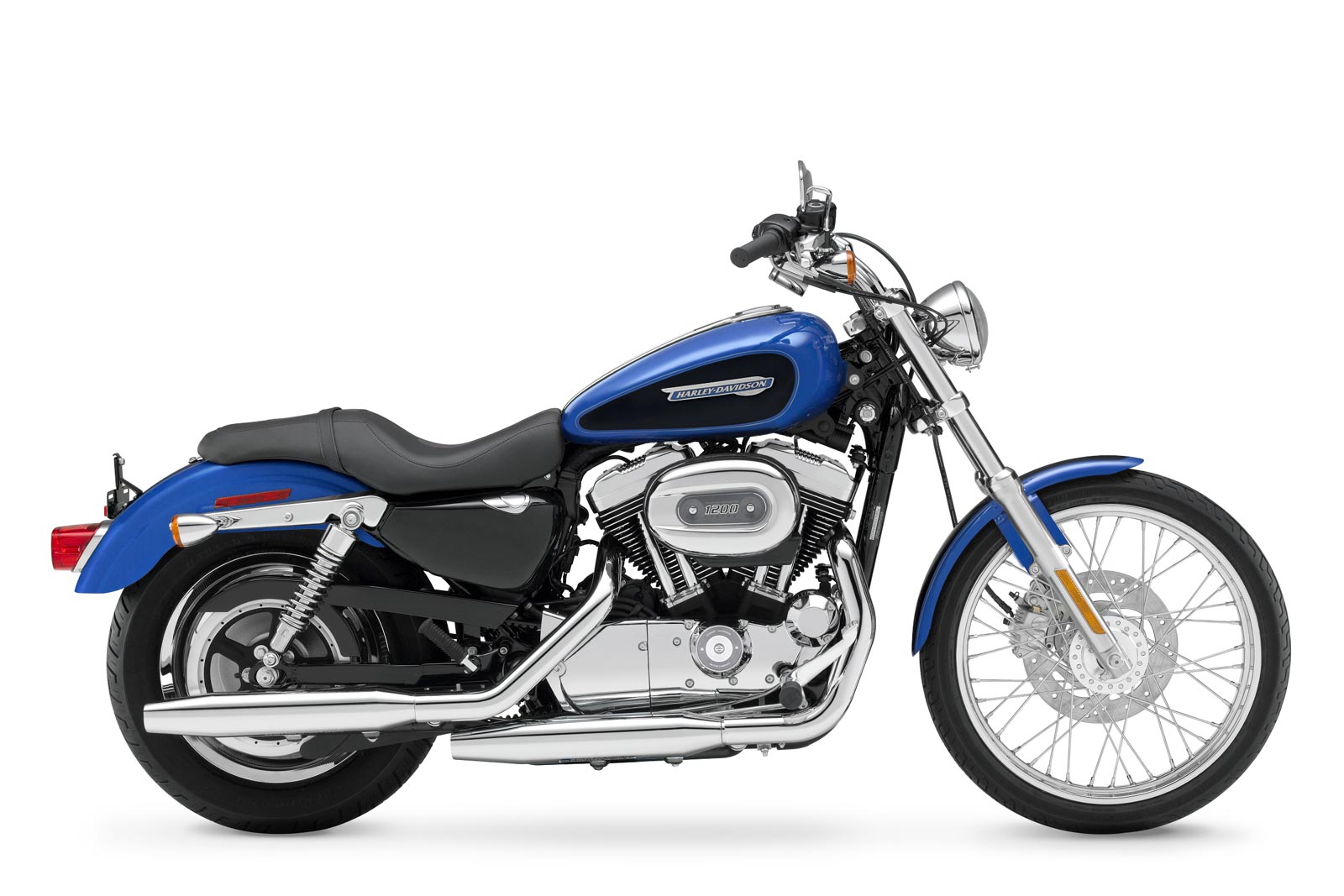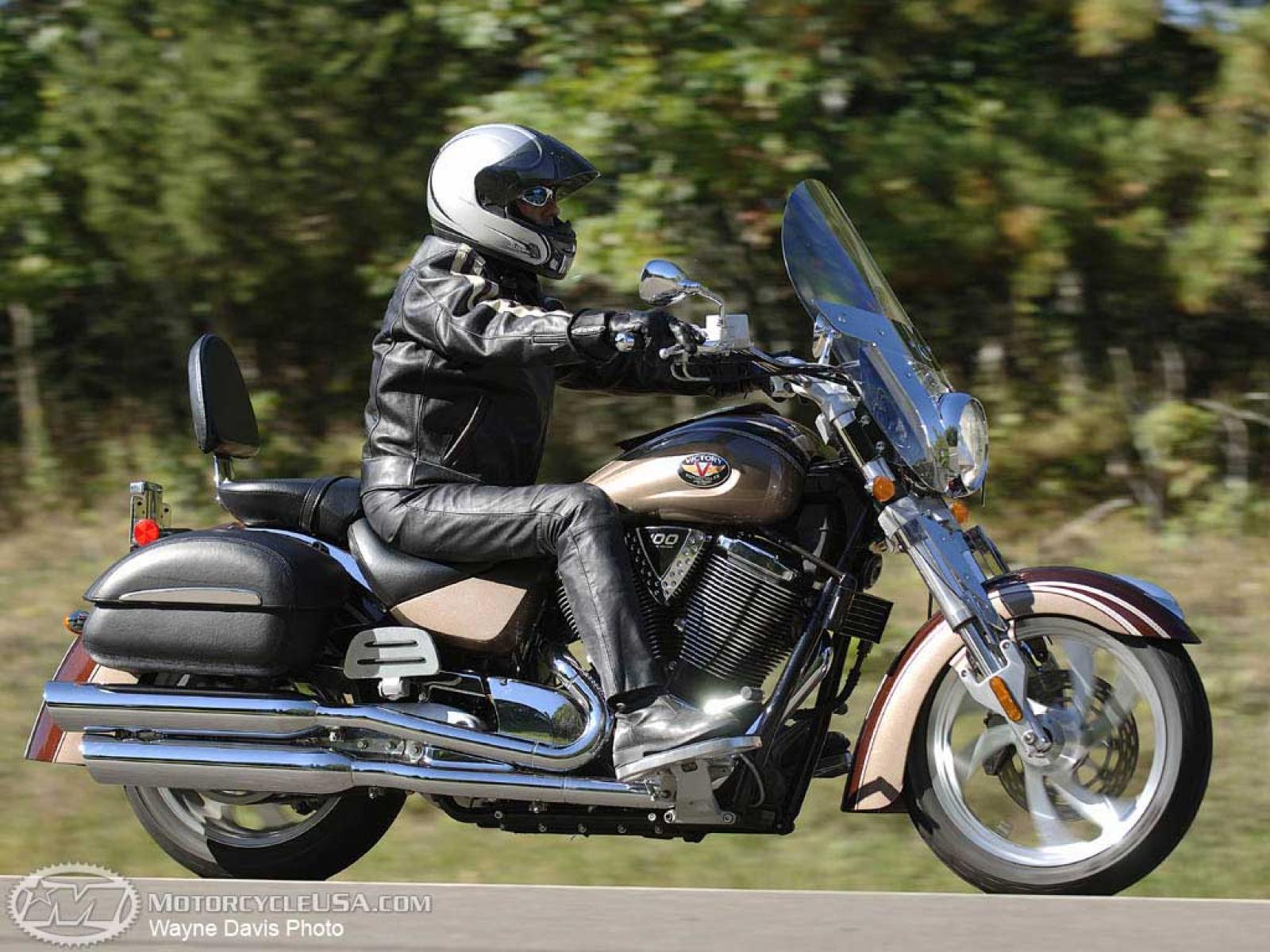
The 2004 Victory Kingpin occupies a distinctive niche in the cruiser motorcycle market, a segment often saturated with competitors touting raw power and aggressive styling. Yet, beneath its classic cruiser facade lies a machine that challenges conventional assumptions about power delivery and rider engagement. The fundamental question arises: how much power does the 2004 Victory Kingpin really have, and more importantly, how does that power manifest on the road?
Upon first glance, the Kingpin’s design exudes a traditional American cruiser aesthetic—large, sweeping lines, substantial chrome accents, and a commanding presence that invites attention. However, this motorcycle is more than just an ornamental nod to biker heritage. Its mechanical underpinnings reveal a sophisticated synthesis of performance and refinement.
At the heart of the Kingpin rests the meticulously engineered Freedom V-twin engine, a 1,496cc powerhouse that serves as the epicenter of its character. Many riders expect cruisers to prioritize torque over outright horsepower, and in this regard, the Kingpin delivers convincingly. The engine produces approximately 78 horsepower, a figure that may seem modest compared to sportbikes or contemporary muscle motorcycles but should not be underestimated within the cruiser domain.
What distinguishes the Kingpin is less the raw statistic of horsepower and more how that power is harnessed and disseminated. The Freedom engine excels in the delivery of smooth, linear torque. This translates into a seamless thrust that barrels down the straightaways without the abrupt surges or jolts that can compromise rider comfort. The torque curve peaks early and remains robust across the mid-range RPMs, a sweet spot for everyday cruising and effortless highway overtaking.
This calibrated character of power delivery reshapes rider expectations. The Kingpin invites a more contemplative interaction with speed, where acceleration is not a burst but a sustained, confident push. Such nuances matter when navigating long stretches of asphalt or weaving through urban traffic, where control is often more consequential than sheer velocity.
The role of the transmission and chassis cannot be overlooked when assessing the Kingpin’s power dynamics. Equipped with a five-speed gearbox, the motorcycle offers cogent gear ratios that complement the engine’s torque profile. The clutch, notably smooth and progressive, ensures that power transitions from the engine to the rear wheel with surgical precision, minimizing the notorious jerks that plague lesser machines.
The Kingpin’s frame, a sturdy backbone of steel, contributes to stability without excessive weight penalties. This combination yields a rider experience that optimally balances heft and agility. The frame channels engine power effectively, delivering it to the road with a planted yet responsive feel. In essence, the Kingpin’s power is not squandered by imprecise handling or lackluster chassis design, but rather enhanced by a balanced framework.
Fueling the intrigue surrounding the Kingpin is its emblematic design philosophy—power is not merely about numbers on a dyno chart but encompasses the sensory and psychological dimensions of riding. The engine’s sonorous exhaust tone reverberates with a deep, throaty growl that resonates beneath the rider, amplifying the sensation of mechanical intimacy. The feedback, auditory and tactile, reinforces a perception of power that transcends numerical metrics.
Furthermore, the suspension setup, while conventional, is tuned to absorb road imperfections gracefully. This contributes indirectly to the perception of power by sustaining rider confidence and ensuring that the motorcycle responds predictably to throttle inputs. Unruly suspension can erode the connection between the rider and engine output, diluting the impact of available power.
In terms of raw acceleration, the Kingpin may not compete head-to-head with high-displacement sport machines or modern superbikes, but therein lies its unique proposition. The power is insinuated rather than slammed onto the rider, fostering a symbiotic relationship between human and machine. This evokes a shift in perspective: power redefined not by the climax of speed but by the extent of control and the fluidity with which it is accessed.
Considering the cruiser’s intended use—relaxed, long-distance voyage—a power delivery that saturates the mid-range with accessible torque proves invaluable. It dispels the misconception that cruisers are sluggish or underpowered. Instead, the 2004 Kingpin strikes a judicious balance that enlivens the ride without overwhelming it.
Another facet worthy of examination is the Kingpin’s fuel efficiency relative to its power output. For a cruiser boasting a near 1.5-liter engine, the fuel consumption is surprisingly reasonable, reflecting a powertrain optimized for both spirited ride and extended touring. This efficiency enhances the motorcycle’s appeal to pragmatists who seek long rides without incessant fuel stops, intertwining power with practical endurance.
Customization potential further influences perceptions of the Kingpin’s power. Enthusiasts often augment exhaust systems or tweak engine tuning to extract additional performance. These modifications demonstrate that the base power figures are a foundation rather than a ceiling, and with skilled hands, the Kingpin’s power can be accentuated or personalized to fit specific rider desires.
Ultimately, the 2004 Victory Kingpin challenges the straightforward question of “how much power does it have?” by embedding the answer within a broader context. Power is less about cabalistic numerical supremacy and more about the qualitative experience of propulsion—the agility, the responsiveness, the harmonious integration of mechanical components, and the emotional engagement with the ride.
To measure the Kingpin purely by its horsepower number is to miss the forest for the trees. It promises a paradigm shift in how power is regarded in cruiser motorcycles, urging riders to appreciate subtlety, balance, and the artful orchestration of engine, chassis, and rider. The Kingpin’s power is a study in contrasts—robust yet refined, commanding yet accessible, stirring yet composed.
As the road unwinds beneath its wheels, the 2004 Victory Kingpin redefines what power means on two wheels. It is both a relic and a revelation, bridging tradition with innovation. For those willing to venture beyond horsepower statistics, the Kingpin offers a compelling narrative—a promise that power is not always about how much you have, but how you wield it.