The year 2006 marked a pivotal chapter in Harley-Davidson’s illustrious legacy, especially within the revered Dyna lineup. At its core, this triumvirate—the Low Rider, the Street Bob, and the Wide Glide—embodied more than just motorcycles; they represented distinct personas on two wheels, each promising a unique journey and evoking disparate emotions. The choice between these iconic machines beckons curious riders to reconsider conventional wisdom, prompting a deeper exploration into their essence. What truly sets one apart from the other? And how do these differences reshape not only the riding experience but one’s entire worldview of power, style, and freedom?
Begin with the 2006 Harley Dyna Low Rider, a model that stands as a harmonious blend of tradition and modernity. Its silhouette is an elegant nod to classic cruiser design, yet it incorporates subtle enhancements that render it nimble and responsive without sacrificing raw power. The Low Rider’s appeal is rooted in its balanced ergonomics—the seat height, foot controls, and handlebars coalesce to create a riding posture that invites long stretches on the open road, engulfing the rider in an immersive embrace of comfort and control. Beneath its frame roars the reliable Twin Cam 88B engine, exuding a torque-rich performance that ignites the soul without overwhelming novice or seasoned riders. This motorcycle invites introspection on the meaning of adaptability, proving that strength and finesse need not be mutually exclusive.
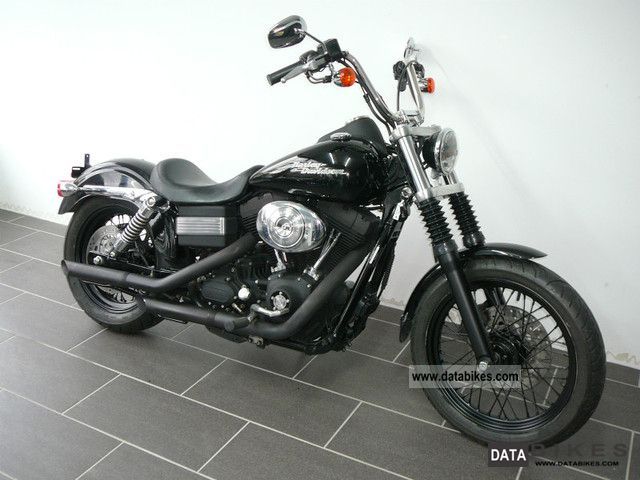
Transition to the Street Bob, a machine that embodies stripped-down rebellion with a minimalist’s precision. The 2006 incarnation resurrects the rawness of the chopper era, dispensing with superfluous adornments to achieve stark, muscular aesthetics. The Street Bob’s unmistakable fat front tire and robust fork assembly command immediate attention, exuding an aura of ruggedness that challenges the norms of polished luxury. The short solo seat and drag-style handlebars conspire to create a warrior-like stance, swiveling the rider’s perspective towards an unforgiving and unfiltered road experience. Its V-twin engine is tuned to deliver an aggressive throttle response, making it ideal for those who seek visceral thrills over mechanical subtleties. The Street Bob is not just a bike; it is an attitude—a clarion call to those who thrive on raw power and unadulterated authenticity.
Meanwhile, the Wide Glide stands distinct with a flamboyance that borders on theatricality, yet conceals a meticulously engineered beast beneath its flamboyant exterior. The 2006 Wide Glide evokes images of rebellious Americana through its wide front end and raked-out forks, offering a visual and kinetic experience that diverges from its Dyna siblings. This bike leans heavily into style, with chrome accents glistening under sunlight and fat tires promising stability and road presence. Yet, it is in the ride where the Wide Glide demands respect. The extended wheelbase changes dynamics, offering an elongated feel that challenges conventional cornering techniques and invites riders to recalibrate their instincts. Its suspension, tuned for both comfort and showmanship, enables long highway cruises with an unmatched swagger. For the rider captivated by presence and parade-ground dominance, the Wide Glide delivers an intoxicating fusion of looks and lateral confidence.
Deepening the comparative analysis unveils nuanced distinctions that emphasize the varying philosophies underpinning each bike’s conception. The Low Rider is a symphony of balanced engineering and rider-centric design. It eschews flamboyance in favor of practical elegance, appealing to those who cherish versatility without compromising expressiveness. Its ergonomics make it the quintessential urban cruiser, nimble enough to weave through city streets yet composed for country highways.
The Street Bob, by contrast, rejects subtlety. Every line and component broadcasts a message of rebellion, a deliberate attempt to pare down the riding experience to its bare essentials. It resonates with riders who cherish tactile feedback, mechanical honesty, and an unvarnished connection to the machine. The psychology here is fascinating—the Street Bob demands engagement, provoking a symbiotic relationship between man and metal, which redefines freedom as something raw and immediate.
The Wide Glide offers a counterpoint with its dramatic architecture and a ride that prioritizes presence and stability. This motorcycle requires a reorientation of riding technique, a surrender to its longer stance and flamboyant aesthetics. It auctions off the nimbleness of the Low Rider and the rawness of the Street Bob in exchange for theatrical flair and a commanding road posture. This chameleonic persona asks one to challenge preconceived notions about control, embracing a swaggering dominance that is as much about visual impact as it is tactile performance.
Contextualizing these models within the broader landscape of 2006 reveals subtle shifts in Harley-Davidson’s strategic orientation. The brand was no longer merely appealing to traditionalists. Instead, it cast a wider net, inviting a spectrum of riders—from the comfort-seeking suburban cruiser to the no-nonsense street warrior, and the flamboyant highway showman. This triadic approach reflected a mature understanding that motorcycle ownership is an intensely personal journey, steeped in identity, aspiration, and even rebellion against conformity.
Choosing between the Low Rider, Street Bob, and Wide Glide is not simply a matter of specifications or aesthetics. It is an invitation to reconsider one’s relationship with the open road, synergy with machine, and the very nature of freedom. Each motorcycle, while born of a common lineage, promises a distinct narrative—a promise to reshape the rider’s perspective on what it means to embrace a Harley-Davidson.
In essence, the 2006 Harley Dyna lineup offers more than transportation—it offers transformation. Whether it is the Low Rider’s balanced poise, the Street Bob’s unfiltered aggression, or the Wide Glide’s flamboyant confidence, each model demands reconsideration of familiar paradigms. The question no longer centers on which bike is “better” but rather which one aligns with the evolving soul of the rider. In doing so, Harley-Davidson redefined personal freedom, inviting us all to ride not just the Dyna, but the possibilities it ignites within.