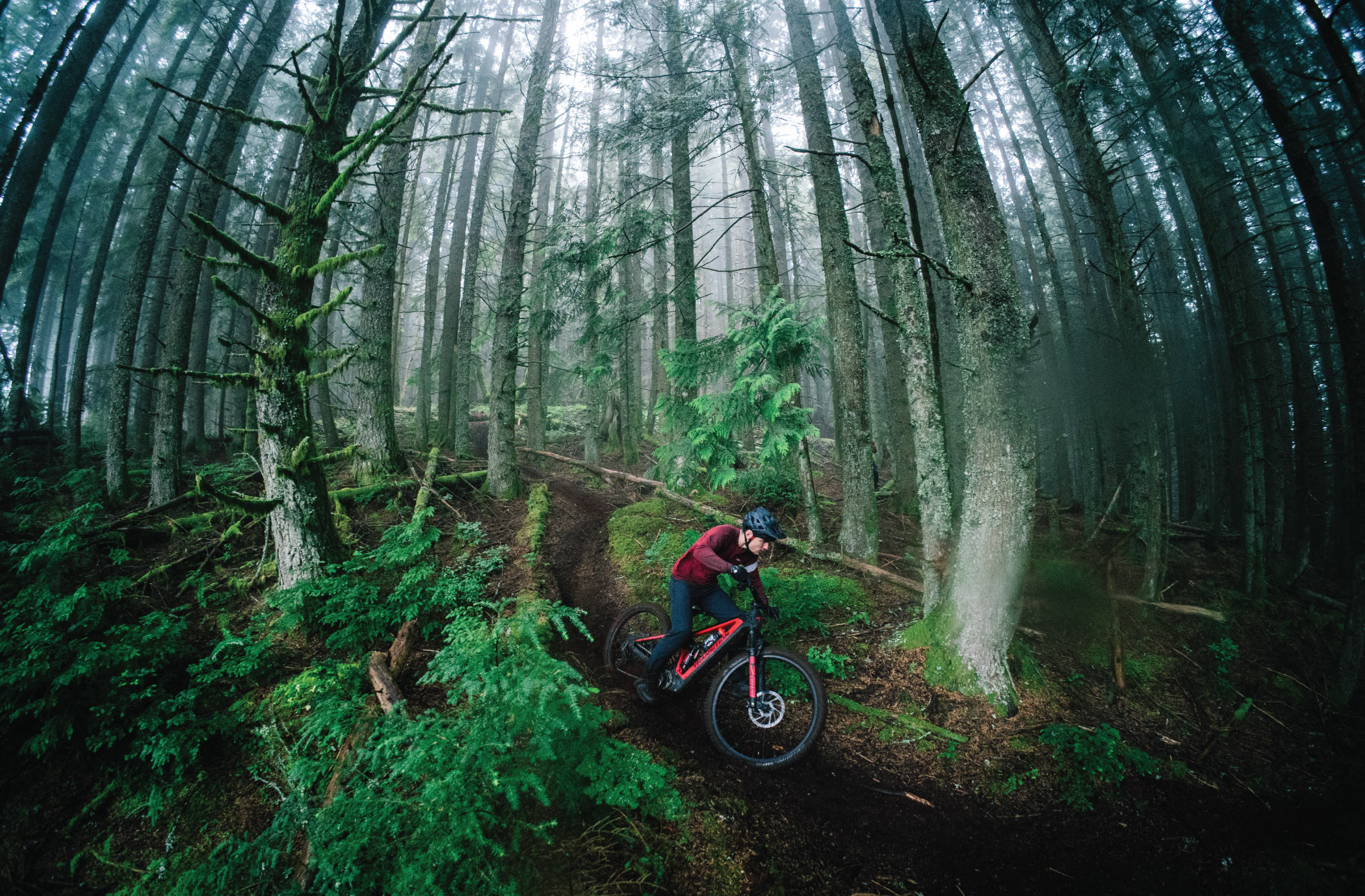
The 2006 Yamaha TTR230 stands as a quintessential example of a dirt bike that marries reliability with accessibility, carving a niche for itself in an industry replete with high-performance yet often temperamental machinery. This model’s enduring popularity speaks volumes, as riders of all skill levels, from novices to seasoned enthusiasts, find solace in its balanced design and dependable engineering. Observers frequently note the bike’s ubiquity in varied terrains, hinting at a deeper, almost intrinsic appeal that goes beyond its mechanical specifications.
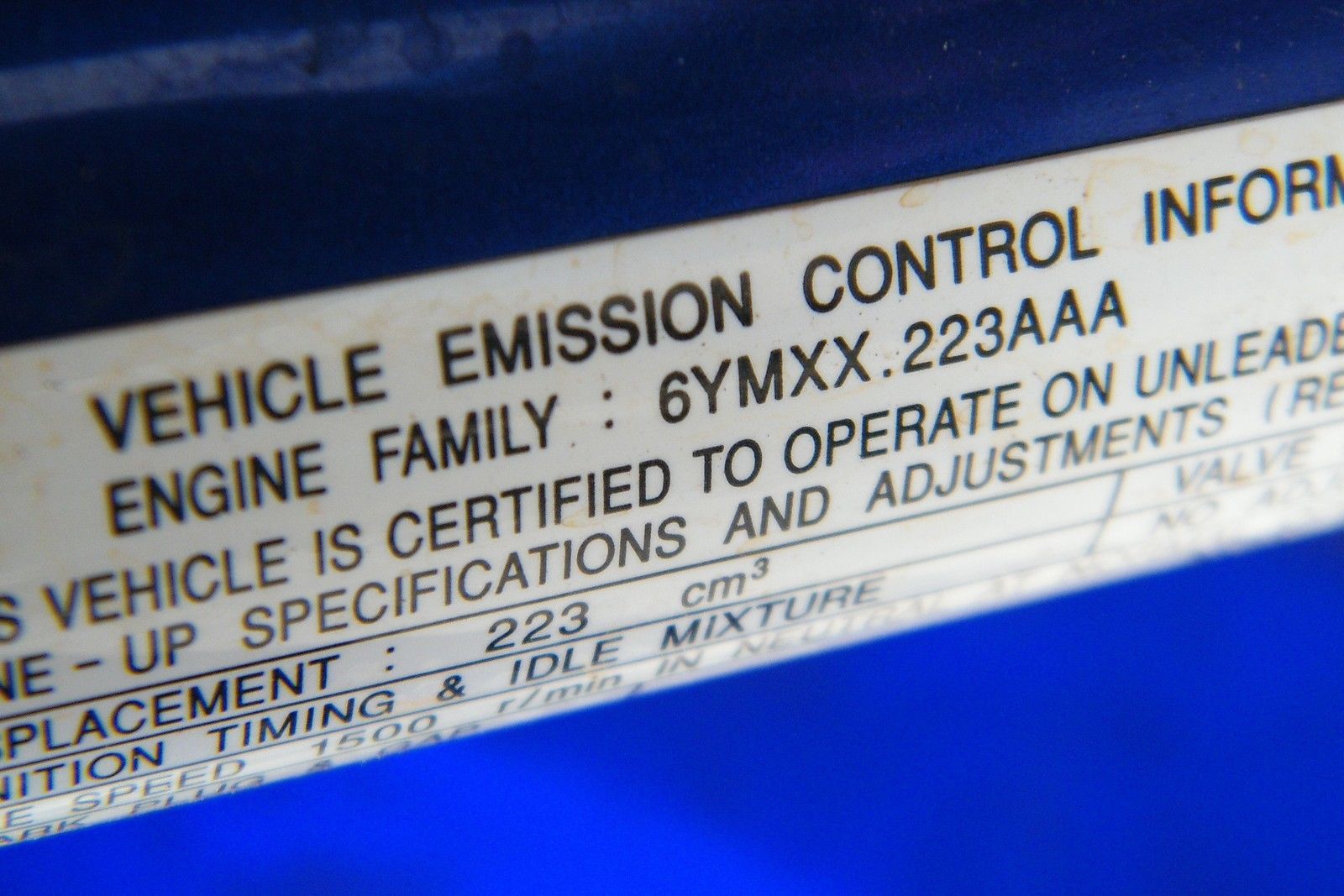
At first glance, the TTR230 might appear modest compared to the ostentatious machines competing for rider attention. Its unassuming frame and clean lines, devoid of excessive embellishments, belie a substantial capacity for adventure. Underneath this straightforward exterior lies a 223cc air-cooled, four-stroke single-cylinder engine that serves as the bike’s heart and soul. Known for its durability, this powerplant hums with a blend of consistency and vigor, enabling the TTR230 to tackle diverse off-road challenges reliably over extended periods.
The engine’s simplicity is a cornerstone of its longevity, making maintenance less daunting and repairs more straightforward. Unlike two-stroke engines, the four-stroke configuration offers smoother power delivery and enhanced fuel efficiency, qualities that appeal strongly to riders who seek not just thrills but sustainability. This inherent reliability fosters a bond between machine and rider; trust is built every time the starter clicks and the engine responds with a steady, reassuring rumble.
Consider the chassis and suspension—the framework around which the TTR230’s versatility is constructed. Yamaha’s careful engineering optimization is evident in the bike’s lightweight yet robust steel frame, which strikes an impressive balance between rigidity and flexibility. This affords riders crisp handling on tight trail sections without sacrificing the shock absorption necessary for rough, uneven terrain. The suspension system complements this balance with a telescopic fork up front and a single shock absorber in the rear, tuned to absorb jolts and deliver a surprisingly plush ride.
Riders often observe that the TTR230’s ergonomics contribute significantly to its allure. The seat height is deliberately positioned to accommodate a wide range of riders, from younger adventurers to adults seeking an approachable option. This inclusivity extends to the bike’s controls and overall geometry, which emphasize comfort and intuitive handling. The minimalistic dashboard, sturdy handlebars, and well-placed footpegs create an environment where confidence flourishes, especially for beginners learning the nuances of dirt biking.
In addition to physical design and mechanical reliability, the TTR230 carries a psychological gravitas rarely acknowledged in dirt bikes of its class. Its reputation as a trustworthy companion in unpredictable situations instills a mindset of exploration and perseverance. Riders are emboldened, knowing they command a machine that will not falter when pushed just beyond comfort zones. This phenomenon nurtures a culture of resilience, a subtle yet potent undercurrent that helps explain the model’s magnetic appeal.
The overarching impression is that the TTR230 transcends its immediate function as a recreational vehicle. It becomes an extension of the rider’s desire for mastery over the natural environment, a tool that transforms curiosity about trails and dirt tracks into tangible experiences. Enthusiasts’ observations about the bike’s consistency reveal an unspoken truth: reliability engenders freedom. By freeing the rider’s mind from concerns about breakdowns or mechanical failures, the TTR230 invites a purer form of engagement with the terrain.
As one delves deeper into the intricacies of this machine, it becomes apparent that Yamaha’s design philosophy for the 2006 TTR230 revolves around simplicity fused with intelligent engineering. Features such as the five-speed transmission and electric start deliver user-friendly functionality without compromising control. The conventional kick-start backup honors traditional expectations and provides reassurance in remote areas where electrical issues might arise. These thoughtful inclusions reflect a pragmatic approach to design, emphasizing utility over flashiness.
Fuel capacity, at approximately 1.6 gallons, may seem modest but aligns with the bike’s role as a trail-focused machine rather than a long-distance cruiser. This capacity encourages short bursts of exploration, making every venture feel contained yet invigorating. Moreover, the TTR230’s dry weight, hovering near 225 pounds, reinforces its nimbleness, allowing riders to maneuver with agility through tight turns and technical sections – an attribute often overshadowed by raw power but paramount in off-road riding.
Another notable aspect is the tire configuration, which offers a stiff yet responsive grip on dirt, sand, and mildly rocky paths. The knobby pattern is engineered for traction rather than speed, aligning perfectly with the bike’s ethos of steady, controlled performance. Even in conditions where lesser bikes might falter, the TTR230’s tires maintain a tenacious hold, translating rider input into predictable outcomes. This reliability of grip is crucial when navigating variable terrain where hesitation often results in mishaps.
Decades after its release, the 2006 Yamaha TTR230 remains a respected choice, often praised not for extravagant specifications but for its capacity to deliver consistent, enjoyable rides. Its appeal is rooted in a harmonious blend of mechanical finesse and rider-centric design, making it a model synonymous with trust and accessibility. The bike’s enduring presence in the dirt biking community invites reflection on what truly fuels a rider’s passion: the assurance that a machine will perform faithfully, turning every ride into an opportunity for growth and discovery.
In essence, the fascination with the 2006 Yamaha TTR230 lies not merely in its parts and performance figures but in the intangible sense of confidence it imparts. It symbolizes an accessible gateway into off-road motorcycling, where conquering trails and embracing challenges becomes a shared rite of passage. This dirt bike represents more than utility; it epitomizes a philosophy where reliability breeds freedom, and every ride unfolds as an invitation to connect deeply with both machine and nature.