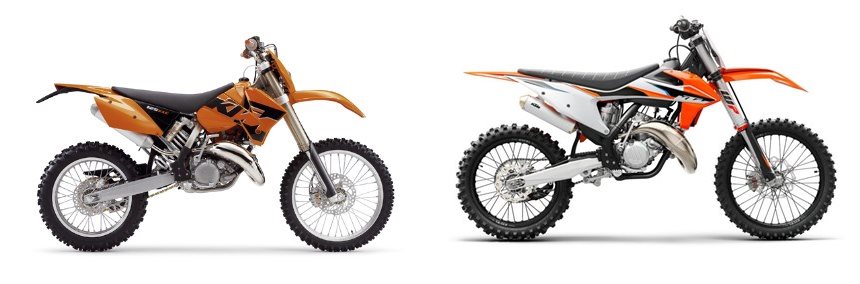
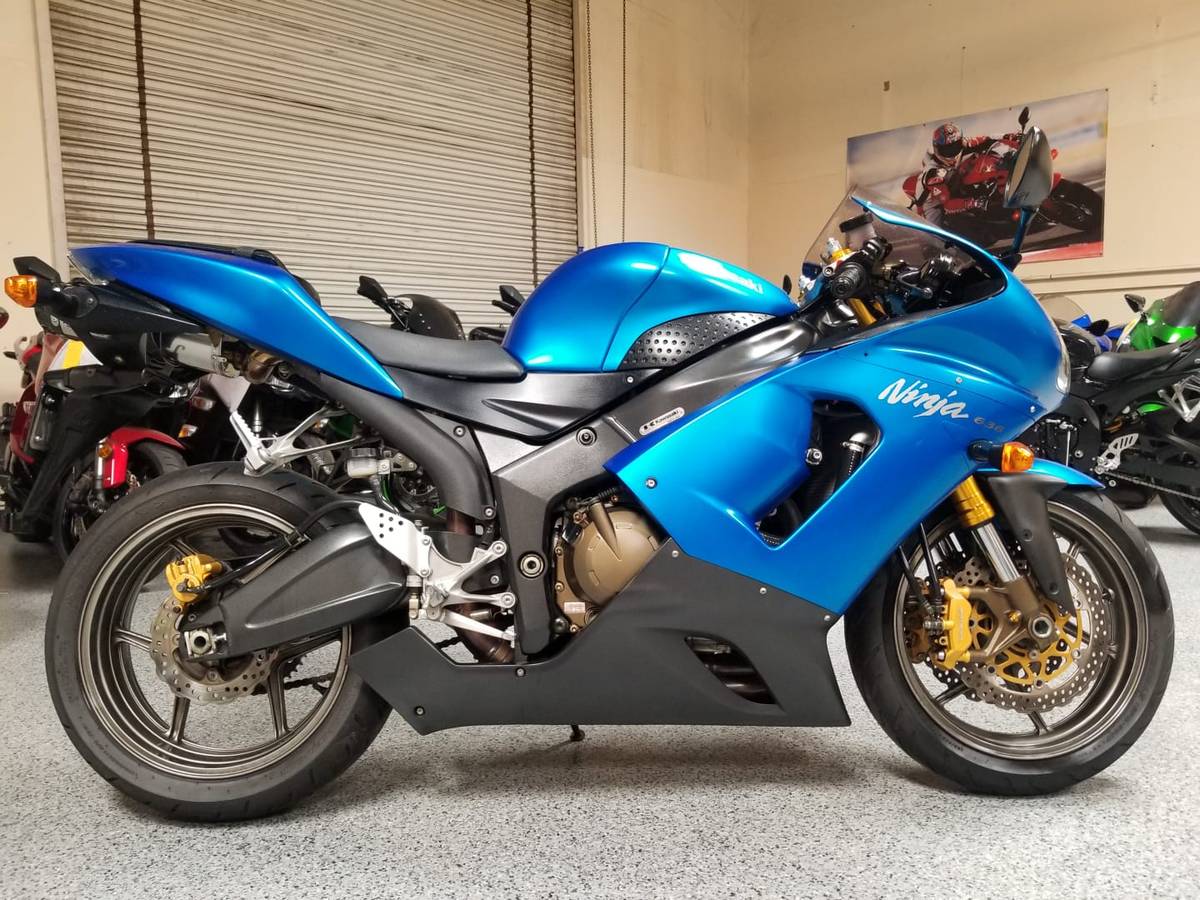
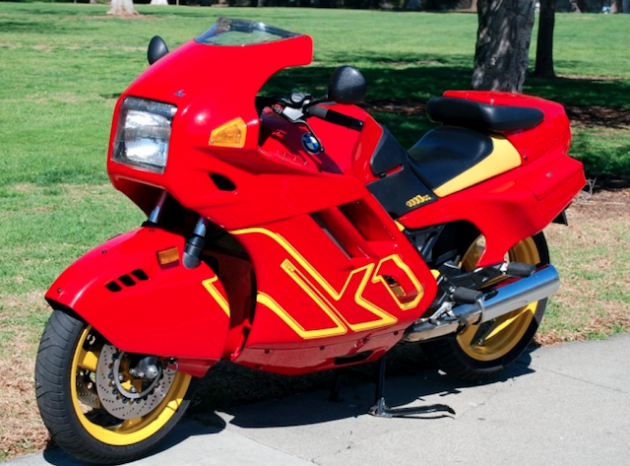
The 2008 middleweight sportbike segment unveiled a riveting and intense contest between three titans: the Yamaha YZF-R6, the Suzuki GSX-R600, and the Honda CBR600RR. This triad of machines, each embodying its manufacturer’s distinctive ethos, promised not just top-tier performance but also a profound shift in how riders perceive agility, power delivery, and technological sophistication in the 600cc class. Delving into their intricacies reveals an enthralling narrative of engineering finesse and divergent philosophies, piquing curiosity beyond mere spec sheets.
At first glance, these three machines might appear as mere variations of the same formula—liquid-cooled, inline-four engines, razor-sharp chassis, and aerodynamic fairings tailored for high-speed circuits. Yet, beneath the surface, each marque injected unique characteristics that redefined their meanings of precision, balance, and rideability. They represent more than just middleweights; they symbolize evolving perspectives within the sportbike domain.
Starting with the Yamaha YZF-R6, its 2008 incarnation marked a significant leap forward—not merely in raw power but in electronics integration. Yamaha’s relentless pursuit of cutting-edge technology manifested in the adoption of an advanced fuel injection system and a revamped engine management suite. The R6’s 599cc engine howled with precision, delivering an aggressive yet remarkably linear powerband that exhilarated on twisty backroads and track days alike.
What truly sets the R6 apart, however, is its chassis geometry and suspension setup. Featuring a Deltabox frame crafted from lightweight aluminum, the bike boasts an astoundingly low center of gravity and razor-sharp handling characteristics. The suspension, upgraded with fully adjustable KYB forks and a rear shock, allows experienced riders to tailor the bike’s behavior meticulously, transforming corners into playgrounds of confidence and speed. Coupled with a firm yet supple seat height, the Yamaha invites its pilot to become one with the machine, enhancing cornering precision to unprecedented levels.
In contrast, the Suzuki GSX-R600 focuses on a harmonious blend of rider comfort and spirited performance. Suzuki’s hallmark has always been to balance outright speed with everyday usability—a principle evident in the 2008 GSX-R. The engine, a stout 599cc inline-four, delivers a slightly more forgiving power curve compared to the laser-sharp R6, which translates into smoother acceleration and reduced rider fatigue during longer sessions.
Chassis-wise, Suzuki refined their Twin-Spar frame for improved torsional rigidity without compromising lightness. The GSX-R600’s suspension, while adjustable, tends toward a supple setup that doesn’t harshly penalize street riders who crave occasional track thrills. This equilibrium makes the GSX-R an excellent mediator between everyday practicality and adrenaline-fueled excitement. Moreover, the ergonomics lean slightly toward comfort, with a more upright riding posture that reduces strain and promotes longer journeys without diminishing control capabilities.
The Honda CBR600RR stands as the embodiment of razor-sharp precision and richly engineered sophistication in the 600cc category. Honda’s engineering philosophy prioritizes an impeccable fusion between engine response, chassis behavior, and rider interface. The 2008 iteration of the CBR600RR featured notable refinements, including a recalibrated throttle system for improved responsiveness and a re-tuned suspension aimed at maximizing feedback and predictability on both road and track.
Its engine, also displacing 599cc, delivers a remarkably high-revving character with a focus on midrange torque, distinguishing it from its competitors’ high-strung nature. This characteristic is invaluable when traversing mixed riding environments, where Dubai street circuits can be just as demanding as pristine racetracks. Furthermore, the CBR600RR’s aluminum twin-spar frame encourages communicative chassis feedback, facilitating granular rider inputs to be translated seamlessly into precision handling.
Examining these machines through the prism of rider experience offers a more nuanced appreciation. The Yamaha YZF-R6 commands respect with its purity of purpose and race-inspired DNA. It virtually demands commitment but rewards with outright dynamism. This machine is for riders seeking the apex of handling finesse and throttle control; it is a scalpel for carving corners with surgical accuracy.
The Suzuki GSX-R600, meanwhile, appeals to a broader spectrum of riders—those who seek exhilarating sportbike thrills without sacrificing versatility and comfort. Its character embraces adaptability, offering a supple ride that feels less intimidating yet remains capable of impressive laptimes. It treads the middle ground adeptly, making it an ideal companion for both weekday commutes and weekend escapades.
Lastly, the Honda CBR600RR strikes a captivating balance between ferocity and eloquence. It blends the throatiness of a potent engine with chassis feedback that fosters rider confidence. Its midrange focus enables fluid transitions and controllable bursts of acceleration, useful in both aggressive cornering and rapid exit scenarios. This precision engineering resonates especially well with riders who relish a responsive, communicative motorcycle that feels like an extension of their own instincts.
Each of these middleweights also reflects broader trends in motorcycle technology during the late 2000s—electronic refinement, chassis optimization, and the relentless pursuit of weight reduction. As the battle for supremacy intensified, manufacturers introduced subtle yet impactful technological enhancements such as improved fuel injection, damping systems, and mass centralization techniques. These innovations were not mere upgrades but pivotal elements that sculpted handling dynamics and overall performance.
In evaluating the 2008 Yamaha R6, Suzuki GSX-R600, and Honda CBR600RR, one must appreciate the dialectic between raw performance metrics and experiential subtleties. Their rivalry extends beyond horsepower and torque figures; it delves deep into philosophy, ergonomics, and the intangible yet crucial connection between rider and machine. This triad collectively signals an inflection point—a paradigm shift that challenges conventional notions of middleweight sportbikes.
Ultimately, choosing among these three paragons depends largely on what a rider values most: whether it is the uncompromising racebred nature of the Yamaha R6, the versatile and accessible spirit of the Suzuki GSX-R600, or the refined and communicative character of the Honda CBR600RR. Each offers a distinct narrative, promising not just performance but a transformative riding experience—that elusive synergy where technology, design, and passion converge seamlessly.
In an era teetering between analog immediacy and emerging electronic sophistication, the 2008 middleweights invite riders to question and recalibrate their expectations. The showdown among the R6, GSX-R600, and CBR600RR is not merely a contest of machines but a profound exploration of what it means to tame power, precision, and passion within a single chassis. Across winding roads and blistering circuits, these motorcycles continue to inspire debate, fascination, and admiration—true icons of a golden age in middleweight sportbike evolution.