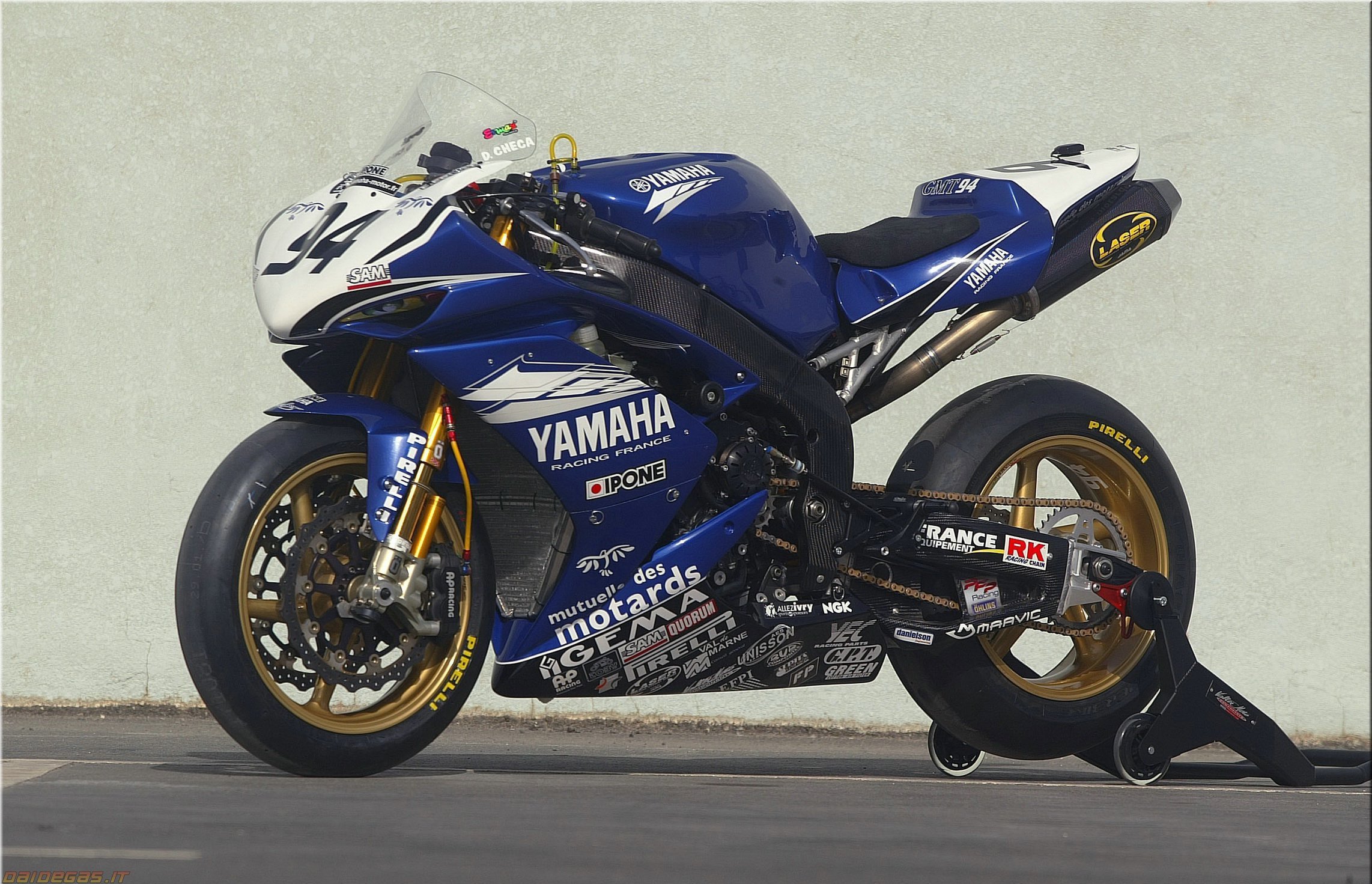
The 2008 Yamaha YZF-R1 stands as a monumental figure in the pantheon of superbikes, a machine that effortlessly blends cutting-edge engineering with a visceral riding experience. This iteration of the R1 captivated enthusiasts and critics alike, largely due to its remarkable acceleration and race-ready performance. The motorcycle’s ability to rocket from 0 to 60 mph in a breathtakingly short span is often cited as a benchmark, yet the fascination with the 2008 Yamaha R1 goes far beyond mere numbers. Delving deeper reveals a tapestry of engineering mastery, design ingenuity, and riding dynamics that collectively orchestrate the enduring allure of this legendary superbike.
At the heart of the 2008 Yamaha R1 lies a compact, high-revving 998cc inline-four engine designed with a focus on both power delivery and agile handling. Unlike many superbikes that emphasized brute force with overwhelming torque, the 2008 R1 was engineered to offer a harmonious balance—translating its horsepower into usable, exhilarating performance without compromising stability or control. This balance allows riders to exploit the motorcycle’s full potential during acceleration, particularly in the critical 0–60 mph range where initial thrust defines the bike’s character.
The time it takes the 2008 R1 to reach 60 mph from a standstill is often recorded at just around 3 seconds, a figure that situates it firmly within the pantheon of world-class sportbikes from that era. However, this statistic alone barely scratches the surface of its appeal. The value of acceleration is as much about the rider’s sensory experience as about pure velocity. The machine’s responsive throttle, coupled with its finely tuned fuel injection system, delivers instantaneous power surges that invite a symbiotic connection between rider and road. This immediate responsiveness is a key factor in the bike’s widespread acclaim, as it instills a sense of mastery and exhilaration that few other machines can match.
Moreover, the design philosophy behind the R1’s engine and chassis works in concert to refine acceleration into a precise art. The 2008 model borrowed heavily from Yamaha’s MotoGP expertise, employing a crossplane crankshaft that revolutionized the engine’s firing sequence. This technology offered more linear torque delivery and reduced inertial torque fluctuations, which increased traction and allowed for smoother throttle application. The implications were profound: riders gained increased confidence in the bike’s predictability and control, a critical attribute during aggressive acceleration phases.
Yet, acceleration is only part of the superbike performance narrative. The 2008 Yamaha R1 is equally esteemed for its superb handling and agility. Its Deltabox aluminum frame provides a rigid but lightweight backbone, enhancing stability at high speeds while keeping mass centralized for nimble maneuvering. Paired with advanced suspension components, the bike maintains composure on both twisty backroads and racetrack straights, making every ride a nuanced dance of precision and power.
The braking system likewise contributes to the R1’s reputation as a complete package. Equipped with dual front disc brakes and a single rear disc, all calipers are designed to offer sharp stopping power with effective modulation. This aspect complements the bike’s acceleration characteristics, allowing riders to confidently push limits knowing that control in deceleration is equally assured. This synergy elevates the riding experience, converting raw speed into a controlled, refined art form.
What draws many enthusiasts to the 2008 Yamaha R1 is not merely its mechanical prowess but an almost ineffable connection it fosters with the rider. Observers often remark about the electric anticipation that seems to radiate from the bike—a feeling that stems from decades of racing lineage distilled into a street-legal machine. This motorcycle embodies a philosophy of total immersion in performance, combining the brain’s reasoning and the body’s instinct. Each quick burst from 0 to 60 becomes more than acceleration; it becomes a celebration of engineering and human capability in harmony.
In reflecting on the wider superbike market, the 2008 Yamaha R1’s success highlights a yearning among riders for machines that offer not just speed, but a tactile narrative. This bike taps into a primal fascination with velocity—the thrill of being momentarily detached from limitations. However, its enduring appeal is also rooted in the subtleties of engagement: the precise handling, the whir of the crossplane engine, the way its balance shifts through corners—all factors that make it much more than a figure on a stopwatch.
Beyond the technical facets, the R1’s aesthetic design further fuels its mystique. The aggressive, aerodynamic silhouette with sharp lines and purposeful contours does more than enhance performance; it signals intent. This visual aggressiveness primes the rider mentally, heightening focus and deepening the emotional bond between man and machine. The 2008 model’s head-turning presence is a constant reminder of its pedigree and performance capabilities.
Ultimately, the 2008 Yamaha R1 encapsulates a critical moment in superbike evolution—a moment when raw power met nuanced engineering and design sophistication. Its rapid 0–60 mph times serve as a gateway into a larger story of how a motorcycle can captivate through a finely balanced blend of speed, control, and sensory engagement. The enduring fascination with this model underscores the universal appeal of superbikes: not just the conquest of speed, but the pursuit of a transcendent riding experience that resonates deeply with both rider and spectator alike.