When it comes to Italian motorcycle engineering, Aprilia stands out as a beacon of innovation, performance, and design. Two of its noteworthy models that have garnered attention over the years are the 2009 Aprilia Shiver 750 and the Dorsoduro 750. Both motorcycles exude a distinctive character and cater to different riding preferences, yet they share a common DNA that speaks to Aprilia’s penchant for combining power with style. Comparing these two machines requires a deep dive into their mechanical specifications, riding dynamics, aesthetics, and overall user experience to determine which one reigns supreme for a rider’s specific needs.
Design and Aesthetics
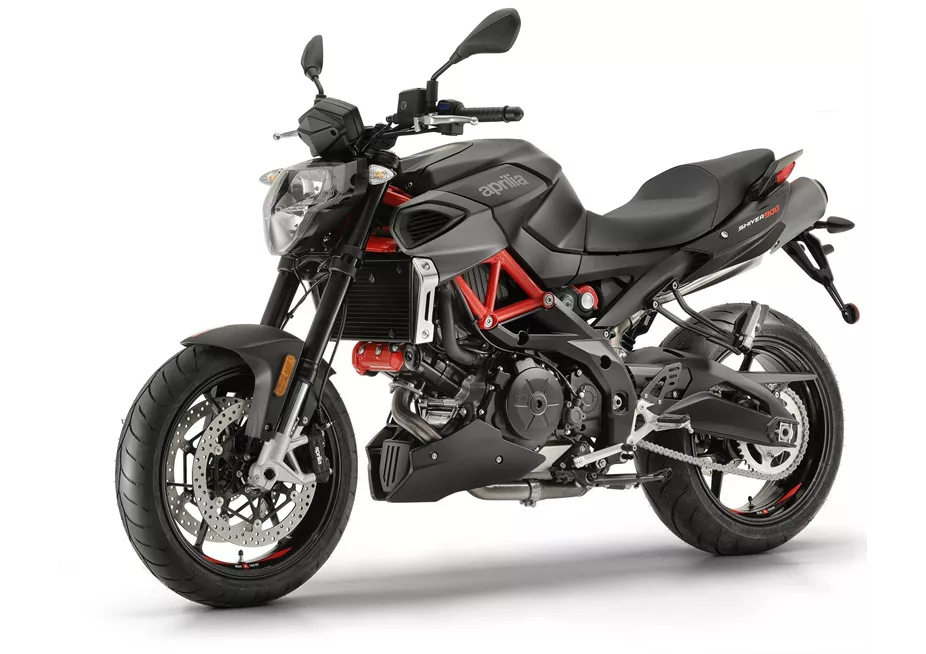
The visual identity of a motorcycle plays a significant role in the emotional connection it establishes with the rider. The 2009 Aprilia Shiver 750 carries the hallmark naked bike design, with a minimalist approach that highlights its muscular frame and the exposed trellis chassis. Its slender and aggressive stance complements urban environments and winding roads, making it a perfect companion for spirited city riding. The Shiver’s front fascia is characterized by sharp lines and an assertive headlamp design that conjures a feeling of agility and speed even at a standstill.
Conversely, the Dorsoduro 750 is a power enduro motorcycle that flaunts a more rugged appearance. Its upright posture, high-mounted exhaust, and wide handlebars contribute to an imposing road presence. Designed to bridge the world of street performance and off-road capability, the Dorsoduro’s aesthetic is a blend of adventure and sportbike influences. Although it shares the naked bike elements with the Shiver, the Dorsoduro’s frame and bodywork emphasize a more utilitarian approach, courting riders who desire versatility without sacrificing style.
Engine and Performance
Both motorcycles are propelled by the same foundational engine: a 750cc V-twin powerplant, a signature component that defines Aprilia’s mid-range offerings. The 2009 Aprilia Shiver 750’s engine configuration delivers approximately 95 horsepower, accompanied by 60 lb-ft of torque. This allows the Shiver to exhibit a lively character, making it an excellent choice for those seeking nimble acceleration and responsive throttle control on urban roads or twisty backroads. What truly sets the Shiver apart in its class is its implementation of ride-by-wire technology, which was relatively cutting-edge at the time of release. This allows for multiple riding modes, giving the rider customized control over power delivery and traction control interventions.
The Dorsoduro 750 shares this same engine, yet the tuning differs subtly to accommodate its dual-purpose nature. While horsepower figures remain comparable, the torque curve is optimized to favor low to mid-range pulling power—ideal for tackling off-road challenges or quick bursts out of tighter corners. The Dorsoduro’s suspension setup is also geared toward versatility, equipping it to handle rough terrain without compromising street performance. This versatility enhances the overall ride quality and elevates the dynamic spectrum that the Dorsoduro occupies.
Handling and Ride Dynamics
Handling characteristics often define the soul of any motorcycle. The Shiver 750’s chassis geometry and suspension settings favor agile and precise handling. Thanks to its lightweight frame and well-balanced components, the Shiver offers an intuitive riding experience with predictable feedback through the handlebars. Cornering is accomplished with poise, and the motorcycle responds crisply to rider inputs, making it a joy on narrow mountain roads or tight urban environments.
On the other hand, the Dorsoduro emphasizes versatility, especially for riders who wish to explore beyond paved surfaces. Its long-travel suspension, slightly higher ground clearance, and upright riding position provide a comfortable vantage point and extra control over rough terrain. While it may not be quite as sharp as the Shiver in a purely street-focused sense, the Dorsoduro’s ability to absorb bumps and maintain composure in off-road scenarios makes it a compelling option for adventure seekers who don’t want to compromise on street handling. The wide handlebars also add leverage, making slow-speed maneuvers easier and less fatiguing.
Ergonomics and Comfort
Rider comfort is often an overlooked aspect when comparing motorcycles, yet it holds paramount importance for longer journeys and daily commutes. The Shiver’s more aggressive seating posture leans toward sportiness. Its slightly forward-leaning position encourages rider engagement but may create fatigue over longer distances. The seat cushion is modestly padded, and the pegs are placed to optimize ground clearance for spirited riding, which may sacrifice some relaxation in exchange for control.
When considering riders who prioritize comfort, the Dorsoduro’s design choices are more accommodating. The upright seating position, broad handlebars, and padded seat translate to minimal rider strain during longer rides or through uneven terrains. The footpeg position is less aggressive, with a focus on offering control without cramping the legs. This ergonomic advantage allows the Dorsoduro to double as both a commuter and an occasional off-road machine, appealing to riders seeking a single bike for multiple purposes.
Technology and Features
When the Shiver 750 launched in 2007 and continued into 2009, its incorporation of ride-by-wire throttle control and selectable riding modes was groundbreaking. This technology allowed riders to switch between different power delivery settings, enabling safer rides in adverse weather or more spirited rides on open roads. The inclusion of Aprilia’s advanced traction control further enhanced the bike’s handling by preventing wheel slip during acceleration, a feature typically found in higher-end motorcycles.
The Dorsoduro, introduced slightly later, inherited many of these technological advancements but optimized them for its dual-sport aspirations. The traction control and ABS systems were calibrated to be less intrusive during off-road escapades, allowing more wheel slip where necessary for better control on loose surfaces. While electronics did not overpower the riding experience, they provided an underlying layer of safety and adaptability that enhanced overall rider confidence.
Practicality and Suitability
These two motorcycles serve different niches despite their similarities. The Aprilia Shiver 750 is impeccably suited for riders prioritizing street performance, be it urban commuting, spirited weekend rides, or highway cruising. Its lightweight and sharp handling make it a formidable contender among naked bikes of its era. Furthermore, it embodies the essence of the Italian “fun-to-ride” quotient, delivering both style and substance.
Meanwhile, the Dorsoduro 750 occupies an intriguing middle ground between sport and adventure. Riders who demand a motorcycle capable of handling daily street duties but who also yearn for occasional dirt excursions will find the Dorsoduro an alluring choice. Its ruggedness, versatility, and comfort elevate it beyond a simple street bike, granting it a wider spectrum of usability.
Maintenance and Reliability
Maintaining Italian motorcycles has sometimes been stereotyped as costly or cumbersome. However, both the Shiver and Dorsoduro 750 are built on a reliable platform with relatively accessible maintenance schedules. The shared V-twin engine benefits from Aprilia’s engineering focus on durability without compromising performance. Oil changes, valve adjustments, and brake servicing fall within reasonable intervals typical for mid-sized motorcycles. Parts availability can vary depending on location, but generally, these motorcycles exhibit commendable longevity when regularly serviced.
Final Thoughts
Choosing between the 2009 Aprilia Shiver 750 and the Dorsoduro 750 ultimately comes down to the rider’s priorities and intended use. The Shiver embodies nimble, street-focused aggression with cutting-edge technology and a striking aesthetic that appeals to those who thrive in city traffic and scenic asphalt twisties. It is, perhaps, the more exhilarating machine for riders who want their motorcycle to be a pure extension of road-riding passion.
On the other hand, the Dorsoduro 750 captivates with its capability to venture beyond paved roads, delivering versatility without abandoning the refined engine character or Italian flair. It satisfies the adventurous spirit in riders who seek a motorcycle able to bridge the divide between daily practicality and off-road escapades.
In essence, neither motorcycle is a definitive “winner” over the other in an absolute sense. Instead, each commands respect in its domain—one excels in urban speed and precise handling, the other thrives in adaptability and rider comfort. For those who appreciate Italian craftsmanship, either choice promises an engaging and rewarding riding experience.