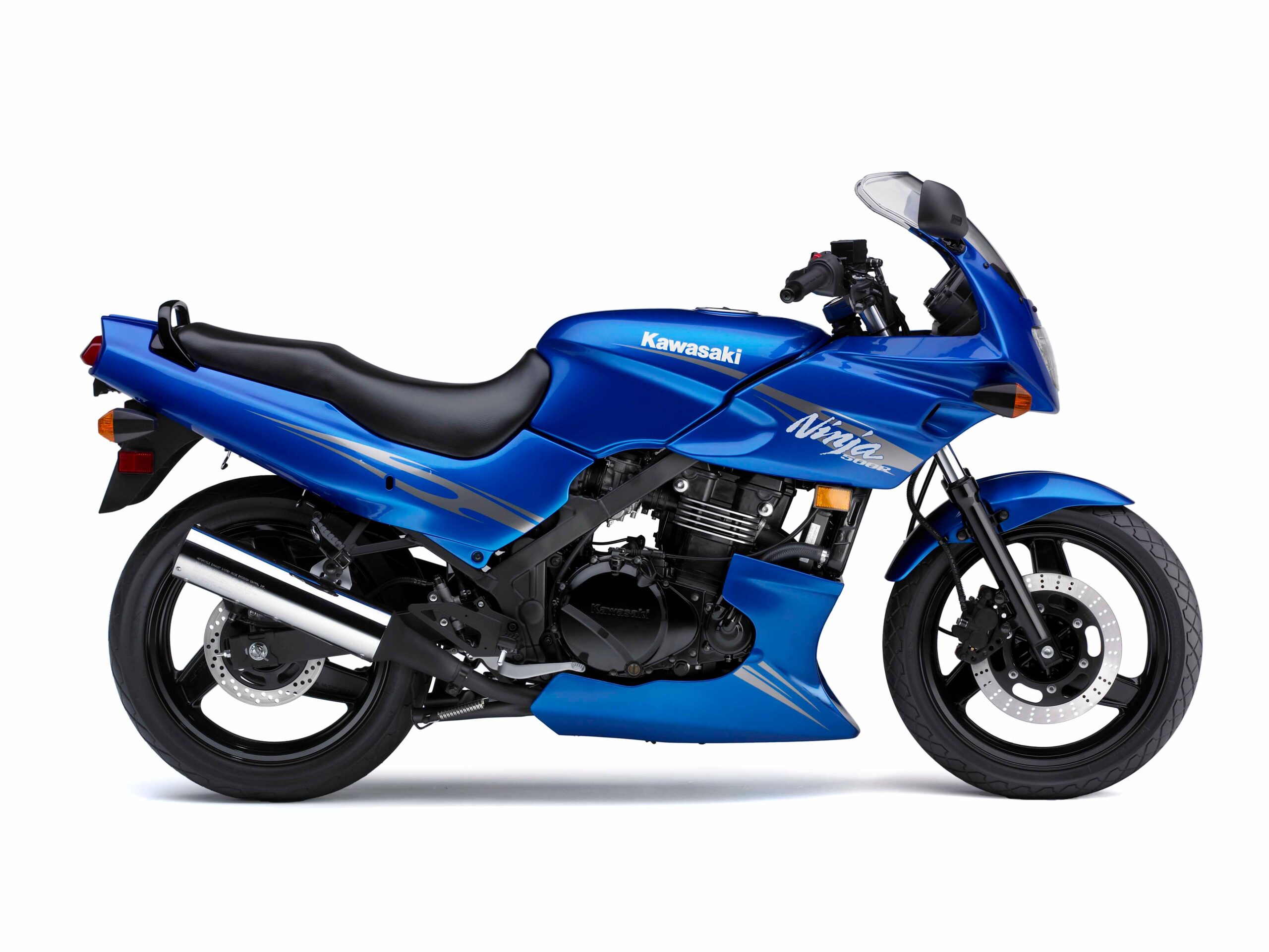
The 2009 Kawasaki Ninja 500R holds a revered place in the pantheon of sport motorcycles, blending approachable power with a nimble chassis that appeals to both novice and seasoned riders. An icon in its own right, the Ninja 500R has long been celebrated for its versatility, making it a remarkable contender in the middleweight sportbike category. Among its many characteristics, the top speed is often spotlighted by enthusiasts who want to glean its performance capabilities. This comprehensive examination delves into the top speed of the 2009 model, offering insight into its engineering, performance metrics, and what riders can expect when pushing this machine to its limits.
At first glance, the 2009 Kawasaki Ninja 500R showcases a streamlined design that exudes both aerodynamic finesse and aggressive styling. Beneath its fairings lies a liquid-cooled, parallel-twin 498cc engine, renowned for its reliability and accessible power delivery. This engine configuration strikes an exquisite balance, providing an ample torque curve conducive to quick acceleration as well as steady cruising. The 270-degree crankshaft design assures smoother power pulses, a design choice that contributes to the bike’s overall rideability.
When examining the top speed, it’s important to dissect the key technical parameters influencing the Ninja 500R’s velocity. With a peak output of approximately 49 horsepower at around 8,500 rpm and a curb weight hovering near 423 pounds (192 kg), the Ninja 500R is engineered for spirited riding without overwhelming the rider. Its six-speed transmission, featuring close gear ratios, complements the powerband and enables the rider to exploit the engine’s performance thoroughly.
Under optimal conditions—flat terrain, minimal wind resistance, and a lightweight rider—the 2009 Kawasaki Ninja 500R’s top speed consistently clocks near the 110 mph (177 km/h) mark. This figure, while modest compared to high-displacement supersport motorcycles, is impressive within its class and unbeatable for many entry-level superbikes. The Ninja 500R’s top speed is not just about raw velocity; it reflects a symphony of engineered harmony where engine output, aerodynamic drag, gearing, and rider posture converge.
Beyond numbers, the riding experience at these speeds is telling. The bike’s chassis, built around a tubular steel frame, maintains commendable stability and handling feedback at high velocities. The suspension setup—telescopic front forks paired with a rear Uni-Trak linkage system—absorbs road irregularities efficiently, granting the rider confidence when riders push the speedometer needle towards its maximum. This balance between stability and agility is what endears the Ninja 500R to riders eager to explore both commuter streets and twisty backroads.
An exploration into aerodynamic factors reveals how the Ninja 500R’s design plays a pivotal role in its top speed achievements. The semi-faired bodywork minimizes drag and deflects air efficiently, reducing rider buffeting. However, given the moderate engine displacement, this is where rider input becomes crucial. Adopting a forward-leaning riding position trims down frontal area, aiding in overcoming aerodynamic resistance and consequently allowing the bike to inch closer to its maximum velocity.
It’s essential also to consider environmental and mechanical variables impacting the attainable top speed. Factors such as altitude, ambient temperature, fuel quality, and maintenance status influence the engine’s performance dramatically. A well-tuned Ninja 500R, equipped with appropriate tire pressures and devoid of load-carrying accessories, will more adeptly reach its peak speed than one ridden in less favorable conditions.
For enthusiasts who are keen on precise performance metrics, dyno testing provides invaluable data. In controlled environments, the Ninja 500R’s drivetrain exhibits smooth power delivery, with minimal loss through the transmission. Such tests affirm the consistency in power output, providing riders with assurance about what the bike can achieve on the open road or track.
Furthermore, the 2009 Kawasaki Ninja 500R exemplifies a motorcycle that transcends pure speed. It masterfully blends agility, ease of handling, and everyday practicality. The bike’s braking system, featuring dual disc brakes upfront and a single disc at the rear, ensures that riders can decelerate promptly after those adrenaline-fueled bursts. Equally, the wide powerband allows for flexibility in diverse riding scenarios, from urban commuting to spirited canyon carving.
An equally relevant consideration is the bike’s longevity and economic aspect. The Ninja 500R’s engine architecture is celebrated for robustness and relatively low maintenance costs. For riders who prioritize long-term usability without compromising on exhilaration, this motorcycle strikes an exemplary compromise. The manageable top speed ensures the bike remains within safe operational parameters that do not typically induce excessive wear and tear, promoting motor longevity.
Undoubtedly, the 2009 Kawasaki Ninja 500R’s top speed is a reflection of a meticulously engineered machine that caters to those who desire a blend of accessible performance and competent handling. Riders embarking on highways or twisty roads will find its velocity capabilities ample enough to satisfy the craving for excitement without the intimidation factor endemic to higher-powered motorcycles. Each acceleration pulse delivering incremental speed builds rider confidence, making this model an enduring favorite among sportbike aficionados and newcomers alike.
In conclusion, the 2009 Kawasaki Ninja 500R stands firm as a paradigm of balanced motorcycle engineering. Its top speed of around 110 mph is not just a numeric benchmark but a testament to its overall design philosophy that emphasizes rideability, safety, and enjoyment. Whether viewed from the perspective of raw performance data, ergonomic design, or long-term practicality, this Ninja offers a compelling proposition to any rider seeking an approachable, reliable, and spirited sportbike experience.