When diving into the world of cruisers, few comparisons ignite as much intrigue as the face-off between the 2010 Kawasaki Vulcan 900 and the 2010 Kawasaki Vulcan 1700 Classic. Both motorcycles represent a hallmark of Kawasaki’s dedication to delivering power, style, and rider comfort, yet they cater to contrasting sensibilities and riding aspirations. This head-to-head exploration, far from being a mere technical specification rundown, aims to unveil a nuanced narrative that promises to shift preconceived notions about what defines a cruiser’s essence.
At first glance, the Vulcan 900 asserts itself as a versatile and accessible powerhouse, ideal for riders seeking a balanced blend of manageable dimensions and spirited performance. Its engine, a liquid-cooled 903cc V-twin, offers a potent yet approachable thrust, producing around 49 horsepower. This middleweight cruiser shines for its nimbleness in urban sprawl and its adaptability to varied rider proficiencies. Its relatively lighter frame and ergonomics cater to those who favor maneuverability without forgoing the characteristically deep, throaty rumble that defines cruiser appeal.
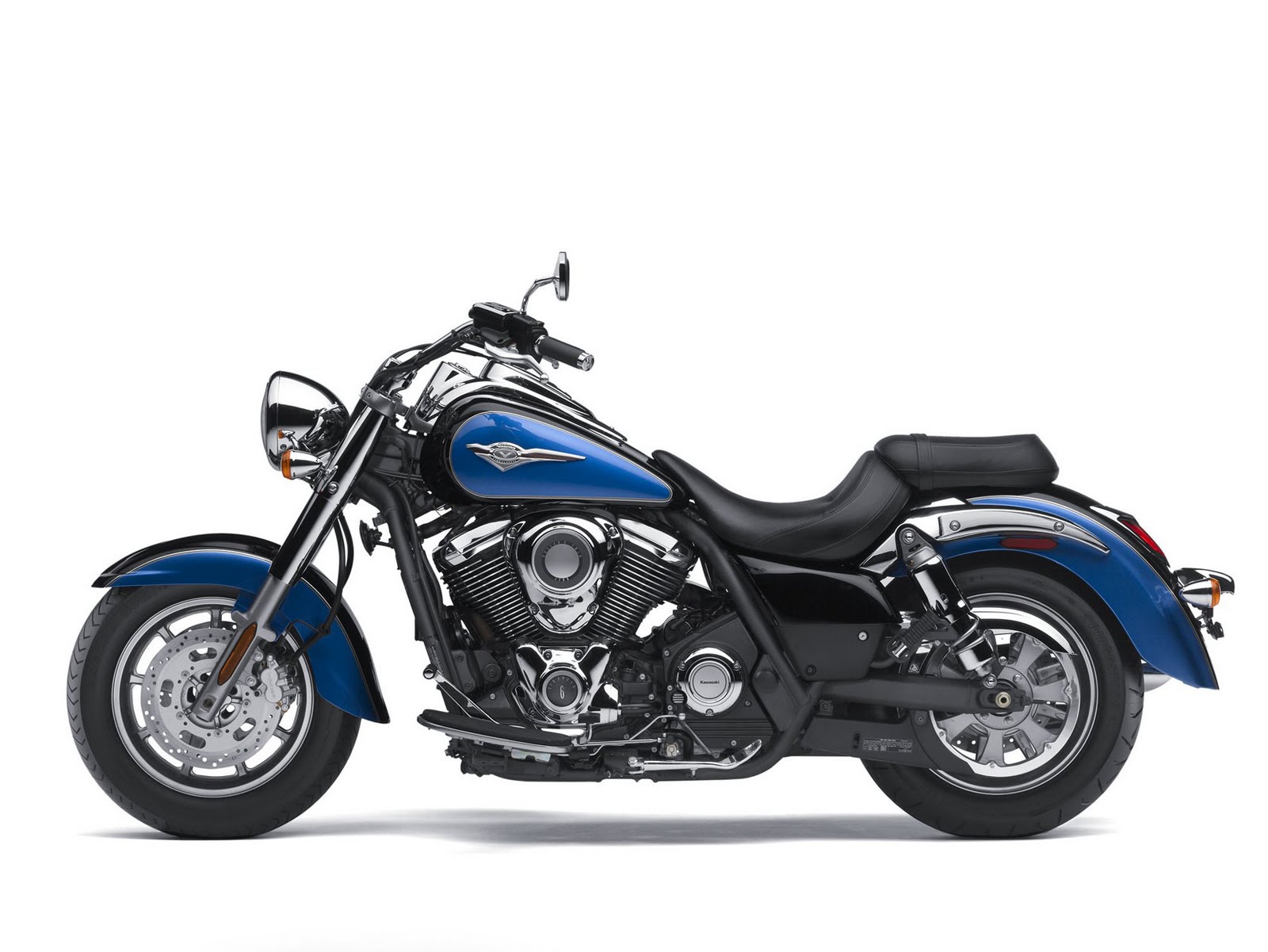
In contrast, the Vulcan 1700 Classic commands attention with an imposing presence that matches its robust displacement of 1700cc. Featuring a liquid-cooled, fuel-injected V-twin engine capable of delivering an impressive surge of power—roughly 76 horsepower—it speaks directly to the heart of riders who yearn for raw muscularity paired with traditional cruiser aesthetics. The 1700’s presence is underscored by chrome accents, a substantial chassis, and a seat configuration that promises an uncompromisingly comfortable ride even during extended highway cruises.
Examining the silhouette and design ethos proffers further insight into their divergent yet complementary characters. The Vulcan 900’s styling leans towards a more contemporary cruiser look, with smooth lines and a streamlined profile that hints at agile city riding and spirited weekend escapes. Its frame allows for customization, offering enthusiasts a canvas that can be tailored to various styles, from minimalistic bobbers to more elaborate custom builds. The riding position is balanced, with mid-mounted foot pegs and a lower seat height, inviting newer riders and those seeking a less intimidating cruiser to confidently board.
Conversely, the Vulcan 1700 Classic revels in a timeless retro appeal, evocative of the golden age of American cruisers but enhanced with modern engineering. The broad handlebars, forward foot controls, and plush seat articulate an intent focused squarely on long-haul comfort and presence. Every curve and chrome embellishment resonates with an old-world craftsmanship flair, yet underneath lies contemporary tech like fuel injection and liquid cooling, ensuring reliability and efficiency without concession.
Performance and ride dynamics further crystallize the distinctions. The Vulcan 900’s 903cc engine delivers a smooth, linear powerband that encourages a relaxed yet responsive ride. The bike’s weight, hovering near 560 pounds—light by cruiser standards—empowers swift handling and an ability to weave with agility through traffic. Its suspension setup, while not overly plush, strikes a pragmatic balance between comfort and road feedback, making it a perfect match for both novice riders and those seeking a daily rider that doesn’t buckle under urban demands.
The Vulcan 1700 Classic, tipping scales closer to 740 pounds, embraces a more commanding, deliberate cruising experience. Acceleration feels potent and unwavering, especially on open roads where the 76 horsepower engine can stretch its legs. The suspension is tuned to absorb long-distance road irregularities, smoothing out the ride to a near-butter glide on highways and sweeping curves alike. This bike doesn’t aim for city nimbleness so much as it promises a serene and majestic road presence, ideally suited for riders craving a deep visceral connection to their machine over long distances.
Ergonomics and rider comfort are critical factors where these two models diverge significantly. The Vulcan 900’s seating affords a lower seat height—around 26.5 inches—making it accessible for a broad range of rider statures. The foot peg placement and handlebar dimensions encourage an upright posture that reduces fatigue during shorter jaunts and stop-and-go traffic conditions. This makes it a practical choice for those new to mid-sized cruisers or anyone who prioritizes a manageable yet spirited riding experience.
Meanwhile, the Vulcan 1700 Classic prioritizes rider endurance and cruiser authenticity. Its seat stands a bit taller and the forward controls extend the legs, producing a laid-back but stable posture optimized for extended sessions in the saddle. Ergonomic refinements such as plush seating and substantial passenger accommodations enhance the experience for two-up riding, further amplifying its capability as a reliable touring partner. However, this setup demands familiarity and comfort with a larger, heavier machine—the kind of presence that can be daunting initially but, once mastered, yields a sublime cruising rhythm.
Technological features and customization potential add additional layers to their rivalry. The Vulcan 900 carries basic yet effective mechanical controls, emphasizing rider involvement and tactile feedback. Its straightforward instrumentation and minimal electronic intervention keep the machine’s essence pure and direct to the rider. This simplicity appeals to purists and those who cherish mechanical transparency in their motorcycles.
In contrast, the Vulcan 1700 Classic incorporates more modern conveniences such as fuel injection, a more advanced braking system with ABS options, and larger capacity fuel tanks for extended range touring. Its greater physical dimension and heavier chassis also translate into a canvas ideal for aftermarket enhancements and touring accessories, including saddlebags, passenger backrests, and windshields. Thus, the 1700 becomes not just a cruiser, but a platform for long-distance exploration and personalization.
What this comparison ultimately reveals is less a question of supremacy and more a spectrum of rider priorities. The 2010 Kawasaki Vulcan 900 challenges the stereotype that a cruiser must be unwieldy and cumbersome. It offers an inviting blend of style, agility, and manageable power that shifts the perspective on what a cruiser can be—an accessible yet authentic expression of the cruiser ethos.
Meanwhile, the 2010 Kawasaki Vulcan 1700 Classic stands firmly as a bastion of traditional cruiser virtues, demanding respect through its sheer presence and performance. It entices riders who seek more than mobility—they want an experience layered with comfort, power, and unmistakable road dominance. It piques curiosity by presenting the cruiser not just as a motorcycle but as an extension of a lived lifestyle, steeped in heritage yet invigorated by modern technology.
In essence, this cruiser battle is more than a contest of engine sizes and horsepower metrics. It promises a shift in perspective—encouraging riders to carefully weigh their unique desires, be it the nimble and approachable Vulcan 900 or the majestic and commanding Vulcan 1700 Classic. Both embody Kawasaki’s mastery of cruiser engineering, each addressing divergent tastes through deliberate design and performance philosophies.
For anyone standing at the crossroads of cruiser selection, the choice between the Vulcan 900 and 1700 Classic offers more than a decision—it presents a dialogue between ease and grandeur, between the thrill of urban dynamism and the allure of long-distance escapades. The true victor is the rider who embraces the machine that resonates deepest with their own definition of freedom on two wheels.