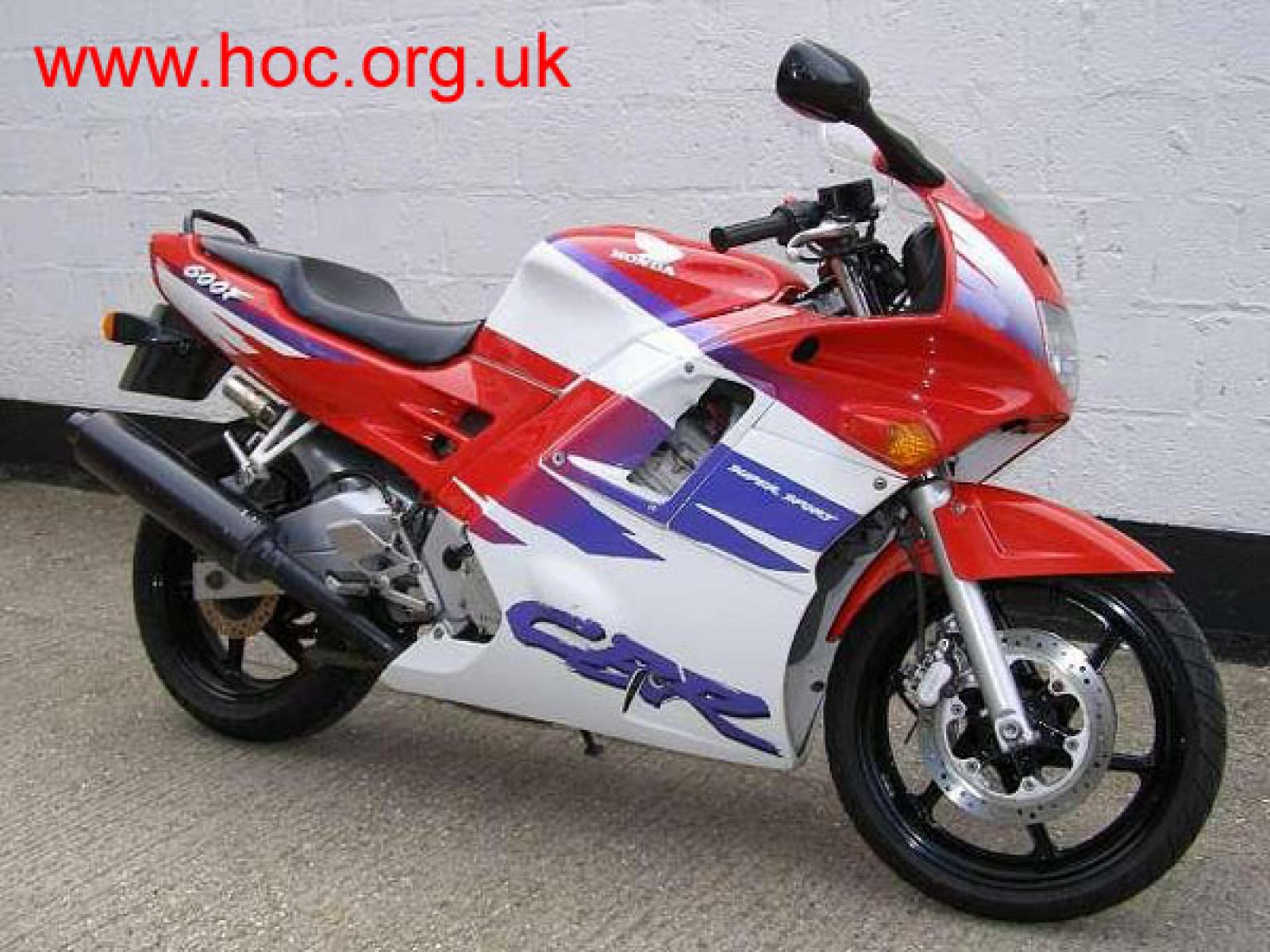
In the vibrant tapestry of 1990s motorcycle engineering, few machines stand as luminous motifs quite like the 1994 Honda CBR600 F2. This sportbike is not merely a piece of metal and mechanics; it is a symphony of precision, speed, and aesthetic subtlety that captures the very essence of an era when motorcycles were as much about art as they were about velocity. The 1994 iteration of the CBR600 F2 serves as a testament to Honda’s relentless commitment to innovation, a mechanical phoenix rising amidst the fierce competition of its decade.
At first glance, the 1994 Honda CBR600 F2 appears as a polished arrowhead aimed squarely at the heart of thrill-seekers and performance enthusiasts alike. Its silhouette is austere yet sensuous, a finely carved form that whispers promises of aerodynamic superiority and razor-sharp agility. The bike’s full fairing wraps around it with an almost sculptural grip, channeling air like an aerodynamic whisperer, reducing drag, and enhancing stability. This is not just a motorcycle; it is a dialogue between human intent and mechanical prowess.
Under the skin, the F2’s 599cc, liquid-cooled inline four-cylinder engine hums with focused power. Its twin overhead camshafts orchestrate a ballet of pistons that propel the machine with a potent yet refined energy. Unlike the brawny brute-force aggressors that had once dominated the sportbike scene, the F2 opts for a measured ferocity. It is a predatory cat in mid-pounce, calculating and precise, delivering horsepower that is as well-tempered as it is exhilarating. The engine’s mid-range torque allows riders to exploit its agility at every twist of the throttle, making the bike accessible to a wide spectrum of riders without sacrificing its high-performance credentials.
The chassis of the 1994 CBR600 F2 is an exemplar of engineering finesse. Constructed from lightweight aluminum, it boasts rigidity and responsiveness that make every corner rich with feedback and control. Coupled with the Showa suspension system, the bike effortlessly balances compliance and firmness, making it ideally suited for both asphalt-hugging track runs and spirited mountain road escapades. The steering is sharp but forgiving, an alliance that builds rider confidence and elevates the dynamic experience to sublime heights.
Its braking system, a confluence of dual front discs and a single rear disc, provides potent stopping power that enhances the bike’s overall sense of security. The hydraulic calipers bite down with clinical precision, enabling riders to modulate speed effectively—a feature that transforms the riding experience into something not only exciting but also meticulously safe.
In the realm of aesthetics, the F2 presents a perfect marriage of function and flair. Its 90s design ethos is evident in the sleek, aerodynamic lines that taper towards the rear, while the minimalist yet purposeful headlight arrangement presages modern sportbike styles. The cockpit, while compact, is ergonomically designed to lower the rider’s profile, embracing the wind with a purposeful hug that minimizes fatigue and disengagement at high speeds. The digital instrumentation, though not laden with the tech trappings of today’s motorcycles, is intuitively laid out, ensuring that the rider remains informed and in command.
The 1994 Honda CBR600 F2 also stands as a cultural icon, embodying the spirit of 90s motoring just as much as it does mechanical excellence. During a time when sportbikes were transitioning from raw, untamed beasts to sophisticated machines of balanced performance, the F2 emerged as a vanguard. It attracted a diverse spectrum of riders—from the burgeoning street racers seeking immediacy and style, to seasoned veterans who appreciated the nuanced choreography of its components.
What sets the F2 apart is not solely its engineering; it is the intangible magnetism it exudes. To ride the CBR600 F2 is to experience the alchemy of man and machine working in seamless tandem. It’s an exhilarating conversation between the rider’s instinct and the bike’s finely tuned responses. Every rev, every brake application, every lean into the apex, narrates a poetic saga of metal and momentum entwined in harmony.
Furthermore, the F2’s influence is palpable even today. Many of its design principles and mechanical philosophies resonate in modern middleweight sportbikes, showcasing Honda’s prescience in sculpting a machine with enduring relevance. It was a blueprint that many manufacturers would emulate but few would match in terms of balanced performance and accessible ferocity.
The motorcycle’s legacy is cemented not through flashy gimmicks or excessive power figures but through an understated excellence that rewards patience and respect. It cultivated a riding experience that transcended the thrill of raw speed; it became an emblem of precision sport riding at a crucial juncture in motorcycle history.
In conclusion, the 1994 Honda CBR600 F2 is much more than a relic of the 90s; it is a living testament to a period when sportbikes began to evolve into sophisticated instruments of balance, engineering, and emotional connection. Its refined powertrain, nimble chassis, and aerodynamic artistry coalesce into a single masterpiece—an enduring legend that continues to inspire affection and admiration among enthusiasts worldwide. The F2 remains a shining beacon in the panorama of sportbikes, a timeless symbol of Honda’s visionary craftsmanship and the captivating allure of 90s motorcycle culture.