The 2012 Kawasaki Ninja 1000 stands as a paragon of street power, mesmerizing riders and enthusiasts alike with its charismatic blend of performance, versatility, and refined engineering. Observers commonly note its striking ability to reconcile the raw, unbridled vigor expected from a liter-class motorcycle with an unexpectedly accessible and manageable street presence. This duality is more than mere happenstance; it’s the confluence of thoughtful design and meticulous calibration, creating a machine that transcends conventional categorization and invites fascination on multiple levels.
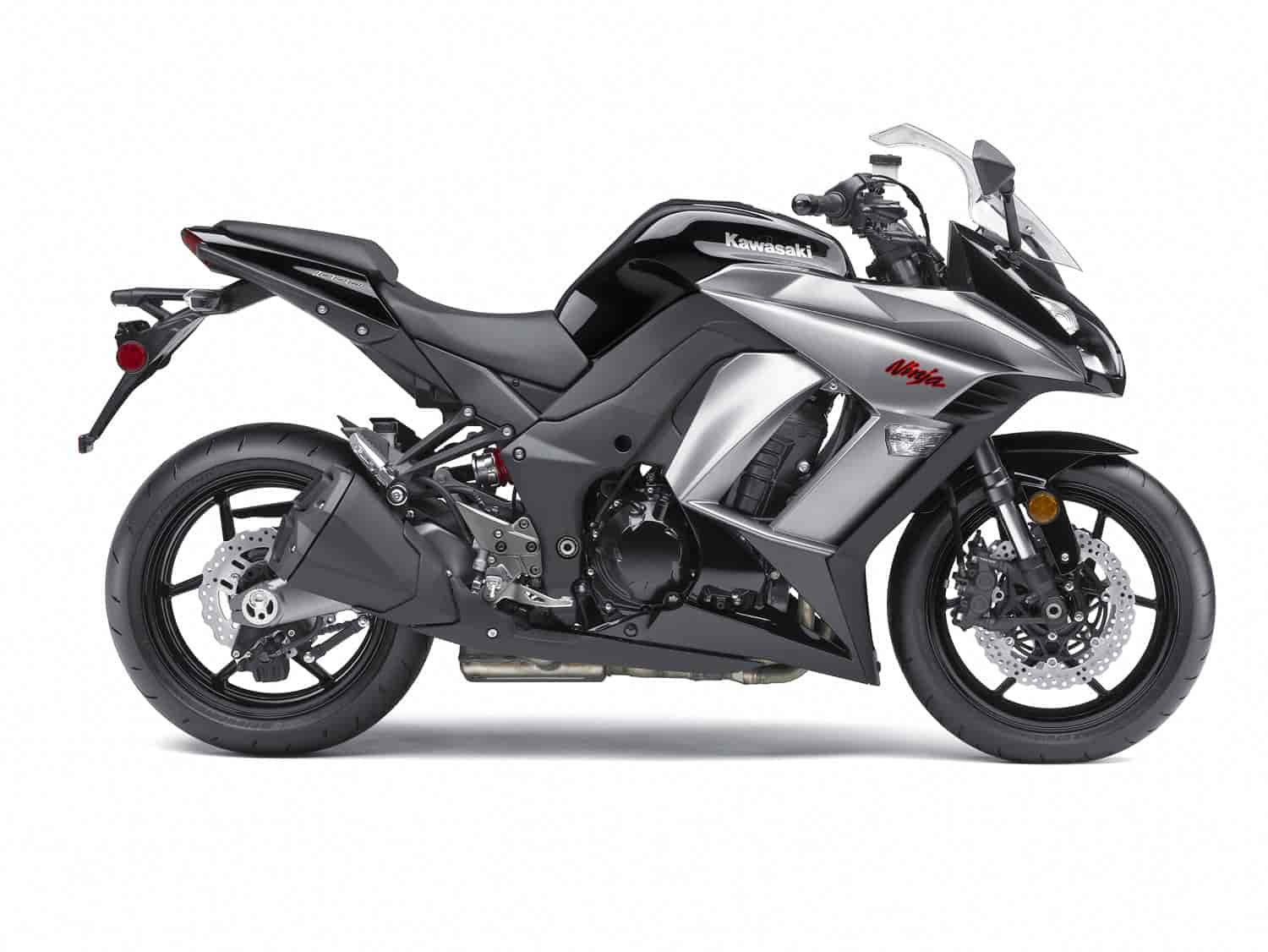
At first glance, the Ninja 1000 commands attention with its aggressive styling and taut contours. The sportbike-inspired angles and aerodynamic fairing do more than appeal aesthetically—they hint at the mechanical prowess beneath. Unlike pure supersport motorcycles, which often sacrifice comfort and practicality for the sake of lap times, the Ninja 1000 inhabits a unique niche. It channels the adrenaline of a 1000cc sportbike engine while accommodating the intricacies of everyday street riding. This balance captures the imagination, provoking questions about what constitutes “street power” and how it can be harnessed without alienating a broader spectrum of riders.
The heart of the 2012 Ninja 1000—the formidable inline four-cylinder engine—is a masterpiece of engineering. Delivering a robust 138 horsepower at 10,000 RPM alongside a stout 78.7 lb-ft of torque at 7,500 RPM, its power delivery is both fierce and linear. Yet, beyond raw statistics lies the subtlety of its character. Kawaski’s engineers tuned it to deliver a broad torque curve, granting riders an immediate and responsive throttle that demands engagement but rewards control. This nuanced calibration ensures the bike responds vigorously at high revs yet remains docile enough for urban sprawls and congested avenues. The sensation is magnetic; it evokes a primal allure while maintaining a tether to reality that many high-displacement motorcycles lack.
Integral to the Ninja 1000’s appeal is its chassis—a steel trellis frame married to a well-chosen suspension setup that promotes agility without crossing into extremes. The balance between rigidity and flex creates an architecture capable of unwavering stability at speed, while permitting nimble handling essential for twisting backroads and intricate city streets. The bike’s footprint and weight also factor heavily in this equation; at approximately 500 pounds curb weight, it carries a commanding stance yet is eminently manageable. This equilibrium is no trivial feat; it speaks to Kawasaki’s holistic approach of engineering a motorcycle that adheres to its ethos of versatile performance.
Behind the handlebars, a rider discovers the harmonious summation of design decisions converging. The ergonomics, characterized by a moderately aggressive yet comfortable riding position, strike a near-perfect middle ground—sport-oriented enough to inspire confidence when attacking corners, yet relaxed enough for extended journeys. This thoughtful consideration speaks to an underlying understanding that street power is not simply about maximum output but also about usable power and rider endurance. The seat, footpeg placement, and handlebar angles all contribute to a commanding but not punishing posture, promoting rider confidence at every throttle twist.
Technology further accentuates the Ninja 1000’s street credentials. A slipper clutch smooths aggressive downshifts, preventing rear-wheel hop and maintaining composure during spirited riding. Anti-lock braking systems (ABS), available on many 2012 models, add a vital layer of safety, especially under less predictable real-world conditions. Brake performance itself is exemplary, with dual front discs and a single rear disc providing robust, linear stopping power. Together, these features reinforce the notion that street power embodies something beyond brute force—it incorporates control, predictability, and a safeguard against the unexpected.
Beyond the mechanical and ergonomic virtues, the Ninja 1000 resonates culturally and psychologically with riders. The bike’s allure is often described as a synthesis of raw potential and refined execution. It engenders a sensation of mastery—a promise that the rider can unleash formidable speed and precision yet remain grounded in control. This psychological interplay between power and manageability is a significant reason for its enduring fascination. It whispers of undiscovered limits and untapped capability, fostering an intimate bond between machine and rider that pure liter-class supersport motorcycles may not cultivate with the same subtlety.
Moreover, the Ninja 1000 serves as a compelling agent of accessibility within the liter-bike landscape. It challenges the pervasive stereotype that 1000cc motorcycles are inherently unwieldy or the exclusive domain of experienced professionals. By blending power with user-friendly attributes, the bike invites a broader audience to experience the visceral thrill of a liter engine without concession. This inclusivity amplifies its cultural impact and widens the scope of what motorcycle enthusiasts envision as achievable street performance.
The 2012 iteration of the Ninja 1000 also reflects a moment in motorcycle development where sportbike technology increasingly embraced practicality. Its release coincided with a growing appetite for sport-touring machines and adaptable streetfighters that could negotiate daily commutes, weekend rides, and spirited track sessions with equal aplomb. In that context, the Ninja 1000 can be seen not only as a superb piece of machinery but also as a symbol of evolving rider needs and technological trends. It acknowledges that street power is multifaceted, encompassing mechanical prowess, rider interface, safety considerations, and emotional resonance.
In summation, the 2012 Kawasaki Ninja 1000 exemplifies street power in a manner both visceral and nuanced, embodying a harmonious fusion of breathtaking performance and practical elegance. Its appeal transcends simplistic metrics of speed and torque, delving into the experiential realm where control, confidence, and connection converge. This synthesis accounts for the near-mythical status it enjoys among motorcyclists—a testament to Kawasaki’s vision of what a liter-class street machine can and should be. The Ninja 1000 does not merely roar down the road; it demands attention, challenges perception, and redefines the essence of street power in an enduring and meaningful way.