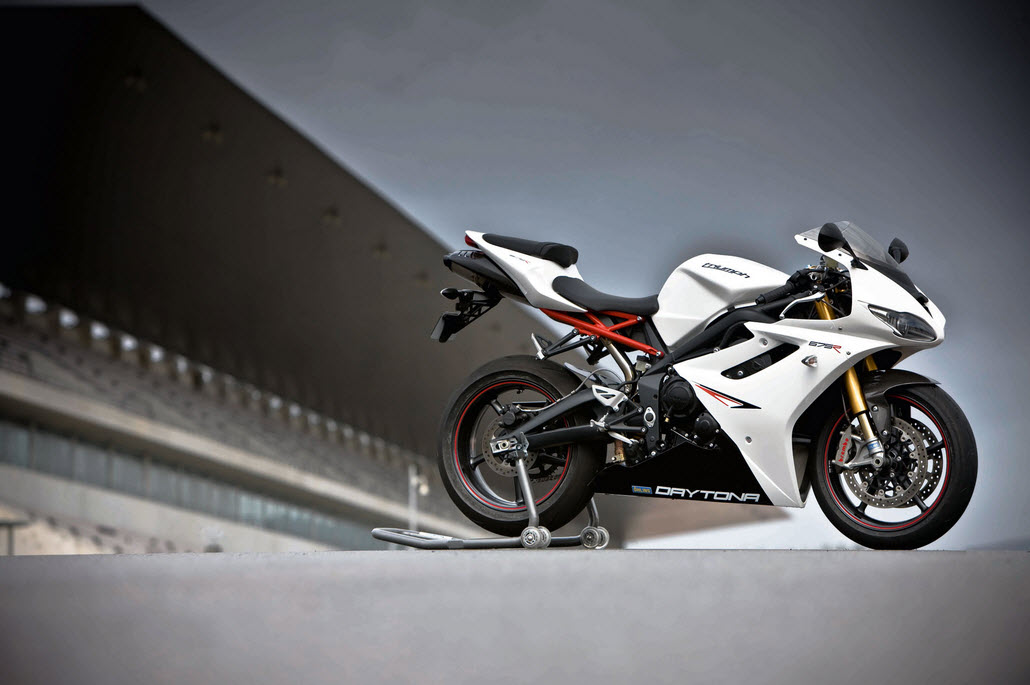
Choosing between the 2012 Triumph Daytona 675 and the Daytona 675R is akin to selecting between two finely crafted works of art—each exuding its own symphony of engineering prowess and aesthetic charisma. These motorcycles are not merely machines; they are embodiments of high-performance technology entwined with British craftsmanship, designed to captivate riders who seek adrenaline fused with precision. When comparing these two siblings, the distinction lies not just in their mechanical components but in the nuances that amplify the riding experience, rendering each one uniquely appealing to different connoisseurs of speed and agility.
At the heart of both these motorcycles beats the revered 675cc inline three-cylinder engine, an icon within the sportbike category. The 2012 Triumph Daytona 675 delivers a potent 123 horsepower, an intoxicating blend of power and responsiveness that artists use as a metaphor for virtuosity. Yet, the Daytona 675R elevates this performance narrative with refined enhancements, pushing the bike beyond merely competent into the stratosphere of race-inspired excellence. This is not just a marginal upgrade, but a deliberate metamorphosis that significantly enhances track prowess while maintaining road-worthy versatility.
Examining the mechanical architecture reveals the subtle yet profound divergences. The Daytona 675’s frame, a lightweight aluminum perimeter unit, provides a nimble foundation, enabling sharp handling and responsive feedback. Here, the 675R builds upon this with further weight savings and rigidity improvements, primarily through the use of titanium fasteners and an enhanced frame structure, which collectively confer razor-sharp precision in corners. The messaging is clear: the 675R is a track-centric weapon, honed for those who demand razor-edge agility and unwavering stability.
Suspension is another domain where the 675R asserts its dominance. Whereas the standard 675 features fully adjustable suspension components offering commendable customization for street and occasional track use, the 675R is equipped with Öhlins NIX30 front forks and an Öhlins TTX36 rear shock. These high-caliber units provide unparalleled damping control, ensuring the bike remains planted even under the most aggressive riding conditions. The suspension is the skeleton’s muscle—rendering the 675R capable of soaking up the track’s rough ballet with grace and tenacity.
The braking system exemplifies the battle between standard competence and extraordinary finesse. The 2012 Daytona 675 employs a dual-disc braking setup with Brembo Monobloc calipers—already a formidable combination that inspires confidence and safety. Yet, the Daytona 675R amplifies this with Brembo M50 monobloc calipers, accompanied by a vented disc design and braided steel brake lines. This translates to superior modulation and heat dissipation, providing the rider with exquisite control over deceleration, a critical advantage during high-speed corner entries and emergency stops on unforgiving asphalt canvases.
The aesthetics of both machines echo their performance ethos but articulate it through different dialects. The 2012 Daytona 675 boasts an aggressive yet sleek design, with clean lines and a purposeful silhouette sculpted for aerodynamic efficiency. The 675R, however, adorns itself in race-grade livery, often featuring a distinctive “R” decal that proclaims its elevated status. Carbon fiber components not only contribute to weight reduction but also imbue the motorcycle with a visual dynamism akin to a predatory feline poised to strike. This visual theatricality is not mere ornamentation; it is a declaration of intent.
Technological accoutrements constitute another layer separating the two. The Daytona 675R introduces a quickshifter for clutchless upshifts, enhancing the continuity of power delivery and minimizing lap times for the discerning track day enthusiast. Additionally, the rear-set foot pegs and adjustable clip-on handlebars offer a breadth of ergonomic adjustments, allowing the rider to sculpt the cockpit to personal preferences—an indispensable feature when milliseconds are traded between corners.
Weight, often an understated protagonist in the drama of motorcycle performance, sees a decisive shift in the 675R’s favor. The special materials and design philosophies reduce the 675R’s curb weight, inviting the rider to dance on asphalt with an agility that borders on the poetic. It’s the difference between the deliberate grace of a seasoned ballet dancer and the exuberance of an athlete in full flight. This reduction enhances acceleration, braking, and cornering, culminating in an intoxicatingly responsive ride that rewards precision and commitment.
Yet, the choice between these two models transcends numbers and specs. It’s an existential question of purpose: Is the rider a street sovereign craving spirited weekend rides imbued with practicality and style? Or, conversely, a precision tactician eager to exploit every microsecond on the racetrack’s unforgiving terrain? The 2012 Triumph Daytona 675 captivates with its blend of sporty aggression and everyday usability. It is a motorcycle that strikes a harmonious balance, inviting riders into a world where speed and control coexist without compromise.
On the other hand, the Daytona 675R is a different beast, a meticulously engineered expression of Triumph’s racing pedigree. It appeals to those who view the motorcycle not just as transportation, but as an extension of their competitive spirit. The enhancements in suspension, braking, and materials transform the 675R into a fierce competitor, a steed bred for circuit domination and high-adrenaline pursuits. Its presence on the road is a siren’s call to those who hunger for mastery over machine and asphalt alike.
In conclusion, the rivalry between the 2012 Triumph Daytona 675 and the 675R is a compelling narrative of evolution and specialization. Both models offer exhilarating performance wrapped in evocative design, yet each carves out its own niche within the pantheon of modern sportbikes. The standard 675 remains an accessible thrill, a gateway to Triumph’s legendary triple-cylinder thrill, while the 675R elevates this experience to a rarefied plateau of track-inspired sophistication.
Deciding which is better ultimately depends on the rider’s aspirations and riding milieu. For those who value versatility and everyday excitement, the Daytona 675 stands as an enduring icon of performance and panache. For the purist who seeks to blur the boundaries between rider and race machine, the Daytona 675R offers a sublime fusion of technological innovation and raw exhilaration, inviting you to harness the spirit of Triumph on every mile of asphalt conquered.