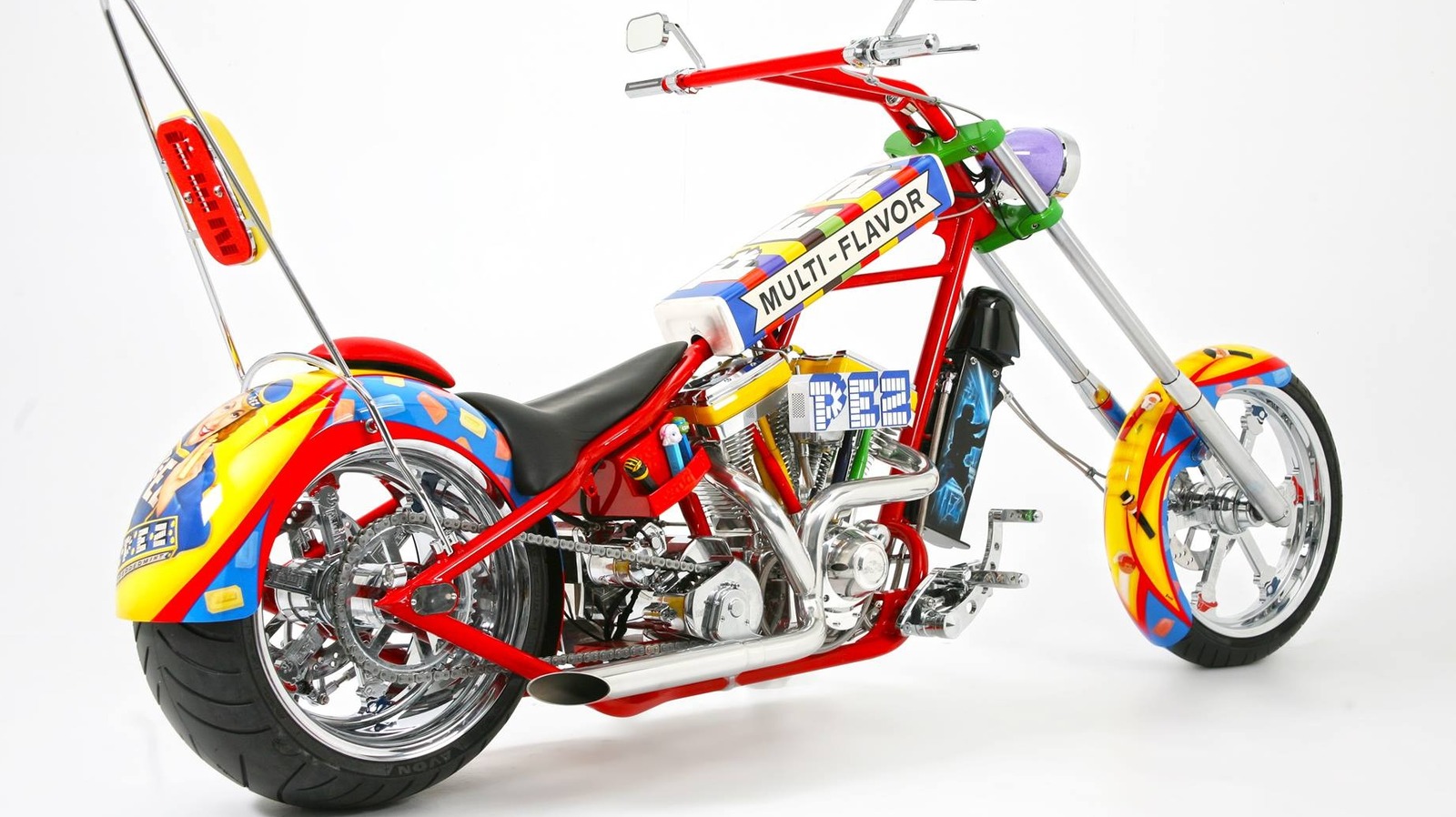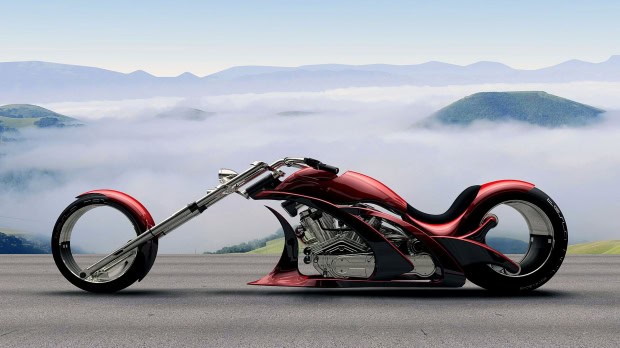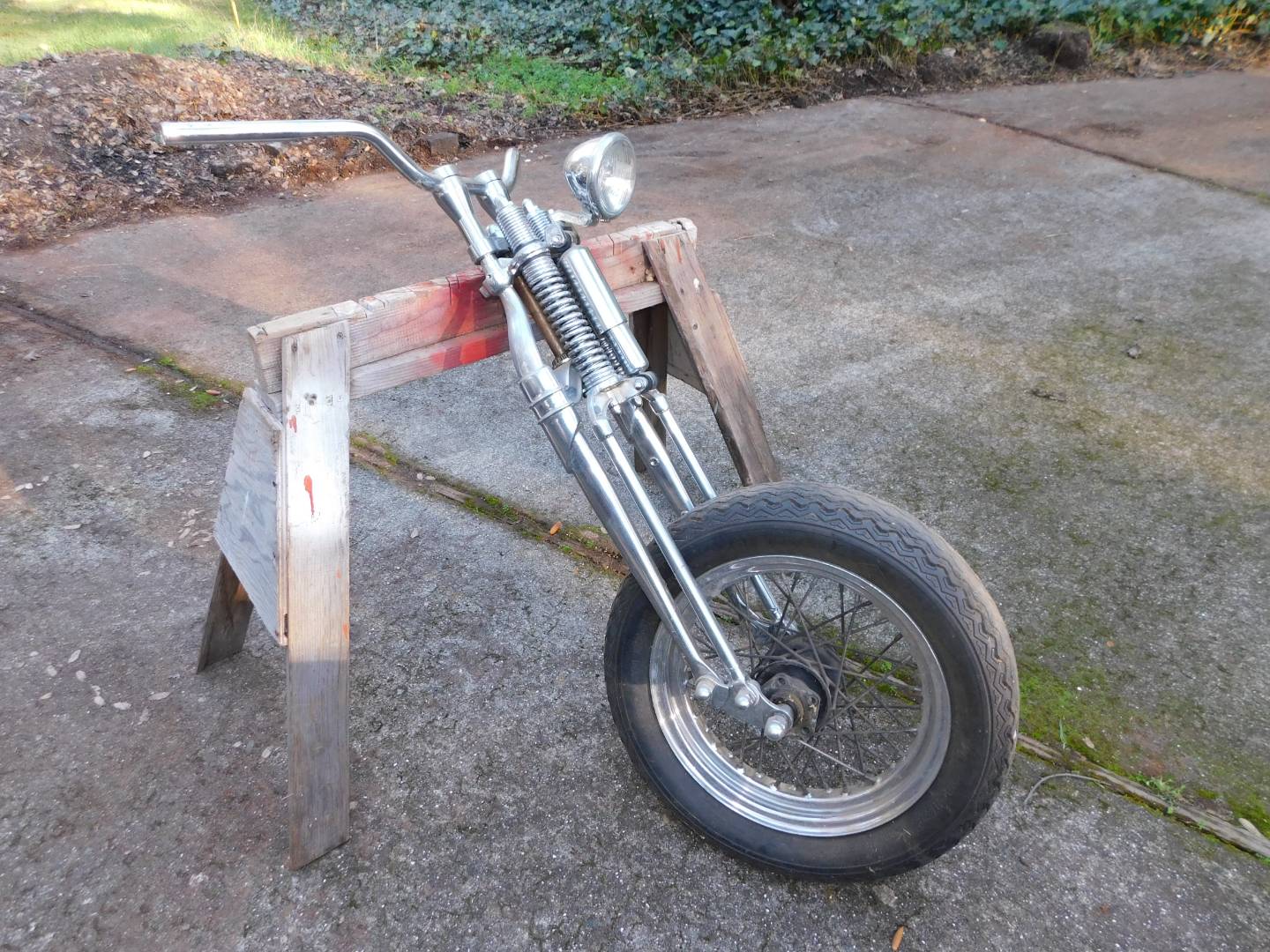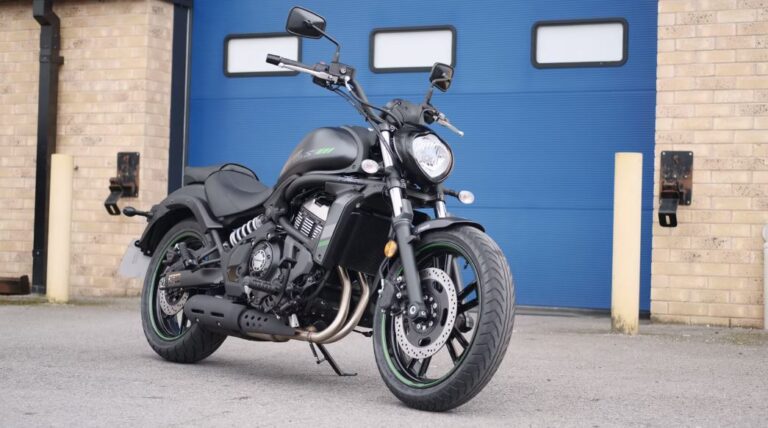
There’s something primal about the way a chopper’s frame whispers to the soul—an unspoken dialogue between rider and machine, where every weld, every line, and every vibration tells a story. Two titans stand at the heart of this conversation: the rigid frame, a relic of raw, unfiltered engineering, and the Softail, a masterclass in illusion and comfort. To the untrained eye, they might seem like mere variations on a theme, but to the initiated, they represent a schism in philosophy, a clash of aesthetics and pragmatism that mirrors the very duality of human desire. Why do some riders crave the unyielding backbone of a rigid frame, while others surrender to the seductive sway of a hidden suspension? The answer lies not just in mechanics, but in the deeper currents of human longing—where comfort battles with the allure of the untamed.
The Rigid Frame: A Symphony of Simplicity and Rebellion
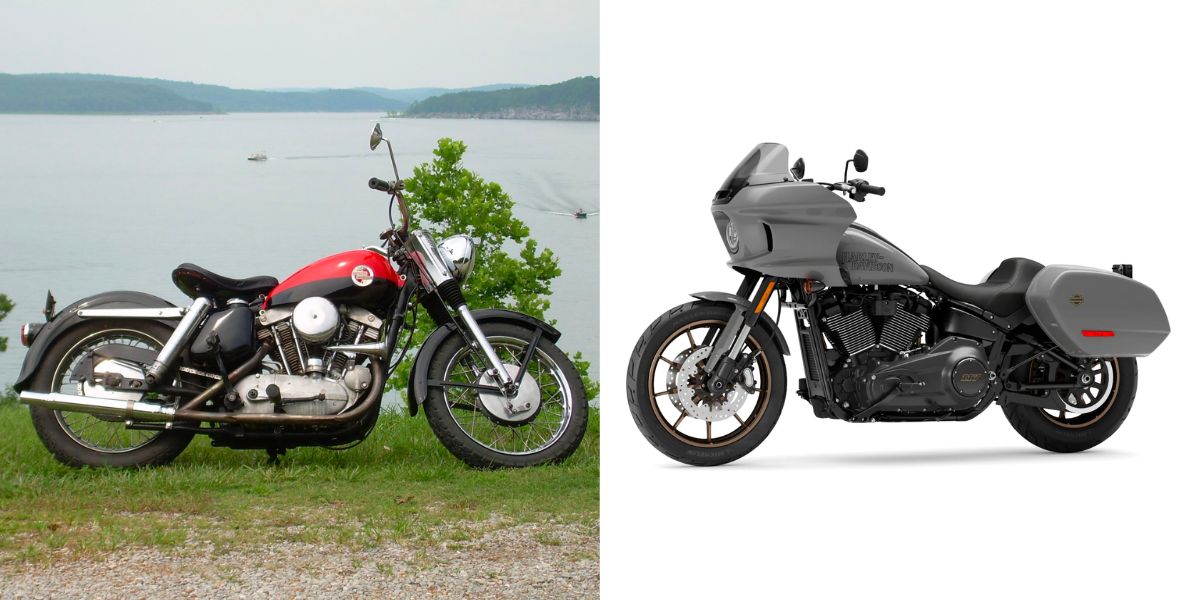
The rigid frame is the purist’s dream—a skeletal marvel where every curve and angle is a deliberate rejection of compromise. Born from the crucible of custom chopper culture, it eschews the crutch of suspension in favor of a raw, unfiltered connection to the road. There’s a certain brutality to it, a defiance of convention that harks back to the early days of motorcycle customization, when riders stripped away the excess to reveal the machine’s true essence. The rigid frame doesn’t just carry a rider; it becomes an extension of their will, a testament to the idea that discomfort is the price of purity.
But why does this austerity hold such allure? Perhaps it’s the way the rigid frame forces the rider to *feel* the road in a way no other design can replicate. Every pebble, every seam in the asphalt, every tremor of the engine is transmitted directly through the frame, creating a sensory dialogue that’s as intimate as it is intense. It’s a motorcycle that demands presence, that refuses to let the rider drift into autopilot. In a world where everything is cushioned, softened, and sanitized, the rigid frame offers a rebellion—a return to the visceral, the tactile, the unapologetically real.


The Softail: Where Illusion Meets Comfort
If the rigid frame is the rebel, the Softail is the diplomat—a master of deception, cloaking its suspension in a guise of simplicity while delivering a ride that’s as smooth as a jazz standard. The Softail’s genius lies in its ability to mimic the aesthetic of a rigid frame while smuggling in the comfort of hidden rear shocks. It’s a sleight of hand, a visual trick that tricks the eye even as it soothes the body. For riders who refuse to sacrifice aesthetics for comfort, the Softail is nothing short of alchemy: turning leaden bumps into silk and vibration into a distant hum.
Yet, the Softail’s appeal runs deeper than mere trickery. It speaks to a different kind of rebellion—not against comfort, but against the idea that beauty must come at the cost of practicality. In a culture that often pits form against function, the Softail is a rare harmony, a design that says, “Why choose when you can have both?” It’s the motorcycle equivalent of a well-tailored suit: impeccably dressed while remaining effortlessly wearable. The hidden suspension doesn’t just absorb shocks; it absorbs the guilt of compromise, allowing riders to indulge in the romance of a chopper without the daily penance of a jarring ride.

The Psychology of the Ride: Why We Choose What We Choose
The divide between rigid frame and Softail riders isn’t just about mechanics—it’s a window into the psyche of the chopper enthusiast. The rigid frame rider often seeks more than just a motorcycle; they crave an experience that borders on the spiritual. The discomfort isn’t a flaw; it’s a feature, a reminder that the ride is alive, that every mile is earned. There’s a masochistic elegance to it, a willingness to endure hardship for the sake of authenticity. It’s the same impulse that draws climbers to Everest or artists to unpaid internships: the belief that true worth lies in struggle.
On the other hand, the Softail rider is often a pragmatist with a poet’s soul. They understand that life is too short for unnecessary suffering, especially on two wheels. The Softail’s comfort isn’t just a luxury; it’s a rebellion against the macho posturing that often surrounds motorcycle culture. It’s a quiet assertion that joy doesn’t have to be punishing, that beauty and ease can coexist. In this way, the Softail rider is both a realist and a dreamer—a person who refuses to let the harshness of the world dictate their experience of it.
But the psychology runs even deeper. The choice between rigid and Softail can reflect broader life philosophies. The rigid frame rider might be someone who values discipline, who sees value in enduring the unendurable. They might be drawn to the idea of a machine that reflects their own uncompromising nature. The Softail rider, meanwhile, could be someone who believes in balance, who sees comfort not as a weakness but as a necessity. They might be the type to negotiate hard at work but then treat themselves to a massage afterward—someone who knows when to push and when to yield.
Performance and Practicality: The Unseen Battleground
Beyond aesthetics and psychology, the rigid frame and Softail duel on the battlefield of performance. The rigid frame, with its direct connection to the road, offers unparalleled feedback and control. It’s the choice of riders who prioritize handling above all else, who want to feel the bike’s every twitch and tremor. This makes it a favorite among track enthusiasts and purists who believe that a motorcycle should be an extension of the rider’s body, not a shield from it. The lack of suspension also means less maintenance—no worn-out shocks to replace, no sagging springs to adjust. In a world where complexity often breeds frustration, the rigid frame is a paragon of simplicity.
Yet, the Softail isn’t without its advantages. The hidden suspension allows for a more relaxed ride, reducing fatigue on long journeys and making it ideal for touring or cruising. The comfort it provides can mean the difference between a ride that’s a chore and one that’s a joy. And while the Softail might not offer the same level of feedback as a rigid frame, it compensates with a smoothness that can make even the roughest roads feel like a Sunday drive. For riders who prioritize endurance over precision, the Softail is a godsend—a way to enjoy the open road without paying the price in aching bones.

The Cultural Divide: More Than Just a Frame
The choice between rigid and Softail is also a cultural statement. The rigid frame is often associated with the outlaw spirit of early chopper culture, with the rebelliousness of figures like Easy Rider’s Captain America. It’s the bike of choice for those who see motorcycles as a way to thumb their noses at convention, who want to ride not just on the road but against it. The Softail, meanwhile, is often seen as the more refined cousin—a bike that appeals to riders who want the chopper aesthetic without the associated grit. It’s the choice of the weekend warrior, the retiree, the rider who wants to enjoy the journey without the drama.
This cultural divide is reflected in the way these bikes are marketed and perceived. Rigid frames are often sold as “custom” or “bobber” builds, targeted at riders who want to stand out. Softails, on the other hand, are frequently marketed as “touring” or “comfort” bikes, appealing to a broader audience. But these labels can be misleading. A rigid frame isn’t just for rebels, and a Softail isn’t just for cruisers. The truth is that both frames have their place, and the choice often comes down to what the rider values most: the raw thrill of the rigid frame or the effortless grace of the Softail.
Conclusion: The Eternal Tango of Desire and Necessity
At the end of the day, the rigid frame vs. Softail debate isn’t just about motorcycles—it’s about the eternal tango between desire and necessity, between the ideal and the practical. The rigid frame represents the allure of the untamed, the unfiltered, the real. It’s a siren call to those who believe that the best things in life should be hard-won. The Softail, meanwhile, is a testament to human ingenuity, a reminder that we don’t always have to choose between beauty and comfort. It’s a bike that says, “Why suffer when you can soar?”
Perhaps the most fascinating thing about this divide is that it’s not just about the bikes themselves, but about what they reveal about us. The rigid frame rider and the Softail rider aren’t just choosing a motorcycle; they’re revealing something about their values, their fears, their dreams. And in that sense, the debate is less about frames and more about the human condition—a reminder that even in the most mechanical of pursuits, we’re still searching for meaning.
So the next time you see a chopper on the road, ask yourself: Is it a rigid frame, a testament to raw authenticity? Or is it a Softail, a masterpiece of illusion and comfort? Either way, you’re looking at more than just a motorcycle. You’re looking at a mirror.