Motorcycling has long been more than just a mode of transportation; it’s an expression of freedom, individuality, and technological innovation. With the motorcycle landscape rapidly evolving, the concept of motorcycle design is currently at a fascinating crossroads. As we look toward the future, the question beckons: How will tomorrow’s bikes come into being? This exploration delves deep into the progressive stages of concept motorcycle design, weaving through creativity, functionality, and the inevitable challenges that arise in this exhilarating domain.
1. The Genesis of Concept Design
The inception of any motorcycle design is rooted in a profound understanding of both the rider’s desires and the ever-persistent need for innovation. Visionaries begin with raw ideas, often inspired by futuristic themes and a seamless blend of form and function. Designers sketch their concepts, delving into the realms of aesthetics and engineering. But how do they transform these whimsical doodles into riding machines?
A pivotal aspect of this initial phase involves gathering insights from current trends in technology and societal preferences. Will electric motorcycles dominate the scene, or will traditional combustion engines continue to thrive? Designers harness this data to refine their concepts, creating models that resonate with the current and prospective consumer base.
2. The Role of Technology
In a world increasingly driven by technology, the role of advanced engineering in concept motorcycle design cannot be overstated. Computer-Aided Design (CAD) software permits engineers to visualize their ideas through hyper-accurate 3D models, simulating everything from aerodynamics to weight distribution.
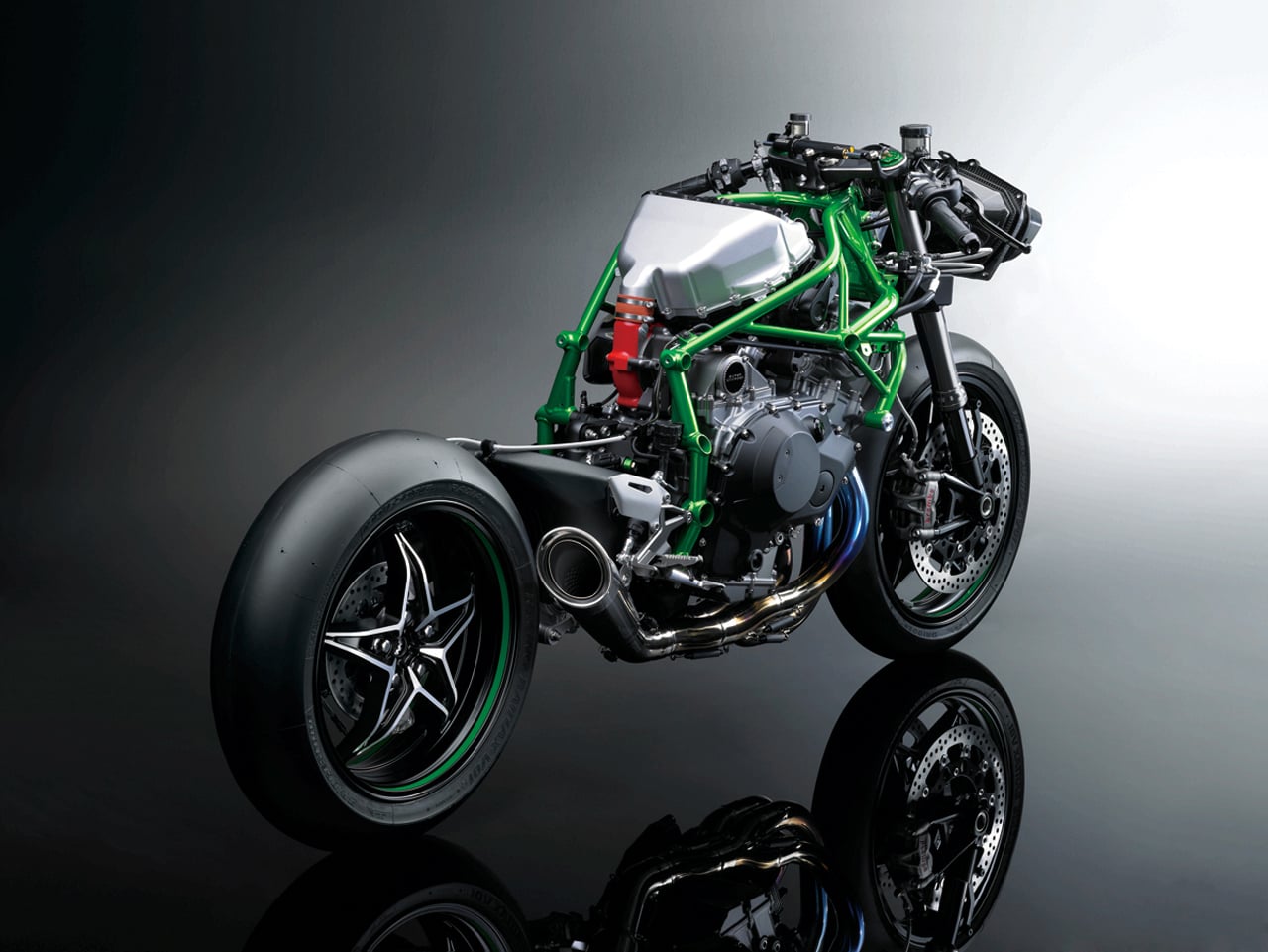
Moreover, innovative materials play a crucial role in this transformative phase. The advent of carbon fiber and lightweight metals means that designers can conceive motorcycles that are not only striking in appearance but also optimize performance. With growing concerns surrounding fuel efficiency and sustainability, the integration of electric powertrains is also becoming a focal point. Simultaneously, manufacturers are experimenting with new battery technologies and regenerative systems that promise longer ranges and quicker charging times.
3. Form Meets Function: Aesthetic and Ergonomic Design
While technology serves as the backbone of motorcycle design, aesthetics and ergonomics define its soul. A motorcycle must be visually appealing yet functionally practical. Designers pore over every detail, from the curvature of the frame to the placement of the handlebars. The aim is to strike a delicate balance between beauty and utility.
Take, for instance, the use of ergonomic seating and handlebars that cater to a diverse range of body types. Comfort is paramount, especially on longer journeys where fatigue can diminish the riding experience. Attention is given to windshields and fairings to improve aerodynamics without sacrificing style. Yet, a designer must also grapple with a daunting conundrum—can form truly enhance function, or will it only serve as a playful diversion from the technical requirements of a superior motorcycle?
4. Collaborating with Other Disciplines
Successful concept motorcycle design transcends the boundaries of traditional engineering. Designers often collaborate with artists, sociologists, and psychologists to understand cultural impacts and rider behavior. This interdisciplinary approach fosters creativity, leading to groundbreaking designs that not only appeal to the eye but also resonate on a deeper, more emotional level.
In some cases, these collaborations yield unexpected outcomes, such as community-engaged design processes where potential riders contribute to the design, ensuring the final product aligns with real-world expectations. However, this raises another question: Does extensive collaboration dilute the designer’s vision or does it result in a more community-driven and relatable motorcycle?
5. The Prototype Phase: Where Dreams Meet Reality
Once a design is fully conceptualized, it is time to materialize it into a prototype. This stage is critical as it allows designers to test their creations in adverse conditions. It involves rigorous testing scenarios that examine the bike’s performance, safety features, and riding experience.
Prototypes often undergo multiple iterations based on feedback and empirical results. Each revision may entail design tweaks, adjustments in materials, or even functionality enhancements. This iterative process not only refines the product but also poses a challenging question: At what point does a prototype become a finished product? How many iterations are too many before the essence of the original vision is lost?
6. Consumer Feedback and Market Entry
As prototypes undergo rigorous testing, consumer feedback loops emerge as another vital component of the motorcycle design process. Engaging with potential bikes and obtaining insights allow designers and engineers to align their vision with firsthand user experiences. The challenge, however, is integrating this feedback effectively without compromising the designer’s original intention.
Finally, once the concept has evolved through phases of refinement, testing, and feedback, it’s time for market entry. This is where business acumen, marketing strategies, and consumer outreach come into play. The path from design to market is strewn with obstacles, yet the reward is a motorcycle that embodies years of art and engineering innovation. As today’s manufacturers set their sights on the horizon, the ultimate question remains: will future riders find themselves enthralled by these avant-garde designs, or will they shy away, preferring the nostalgic allure of traditional bikes?
Conclusion: The Future Awaits
Concept motorcycle design is a thrilling intersection of creativity and engineering, inviting innovative solutions to age-old challenges. As the world shifts toward greener technology and digital innovation, the future of motorcycle design holds infinite possibilities. Each bike tells a story of vision, collaboration, and meticulous craftsmanship, setting the stage for the next generation of riders. With every curve and angle, a new chapter in motorcycling draws nearer, waiting to captivate enthusiasts across the globe.