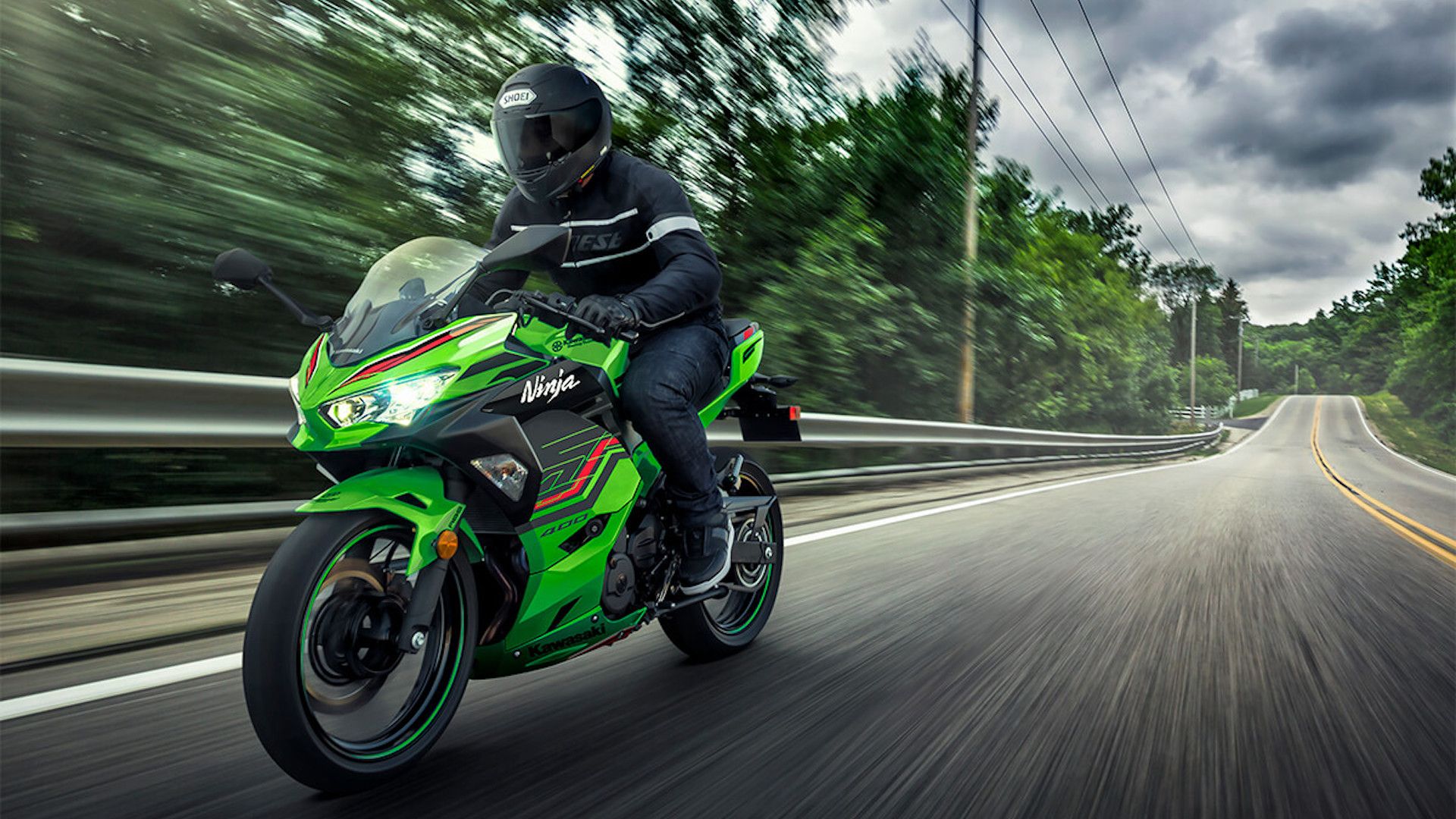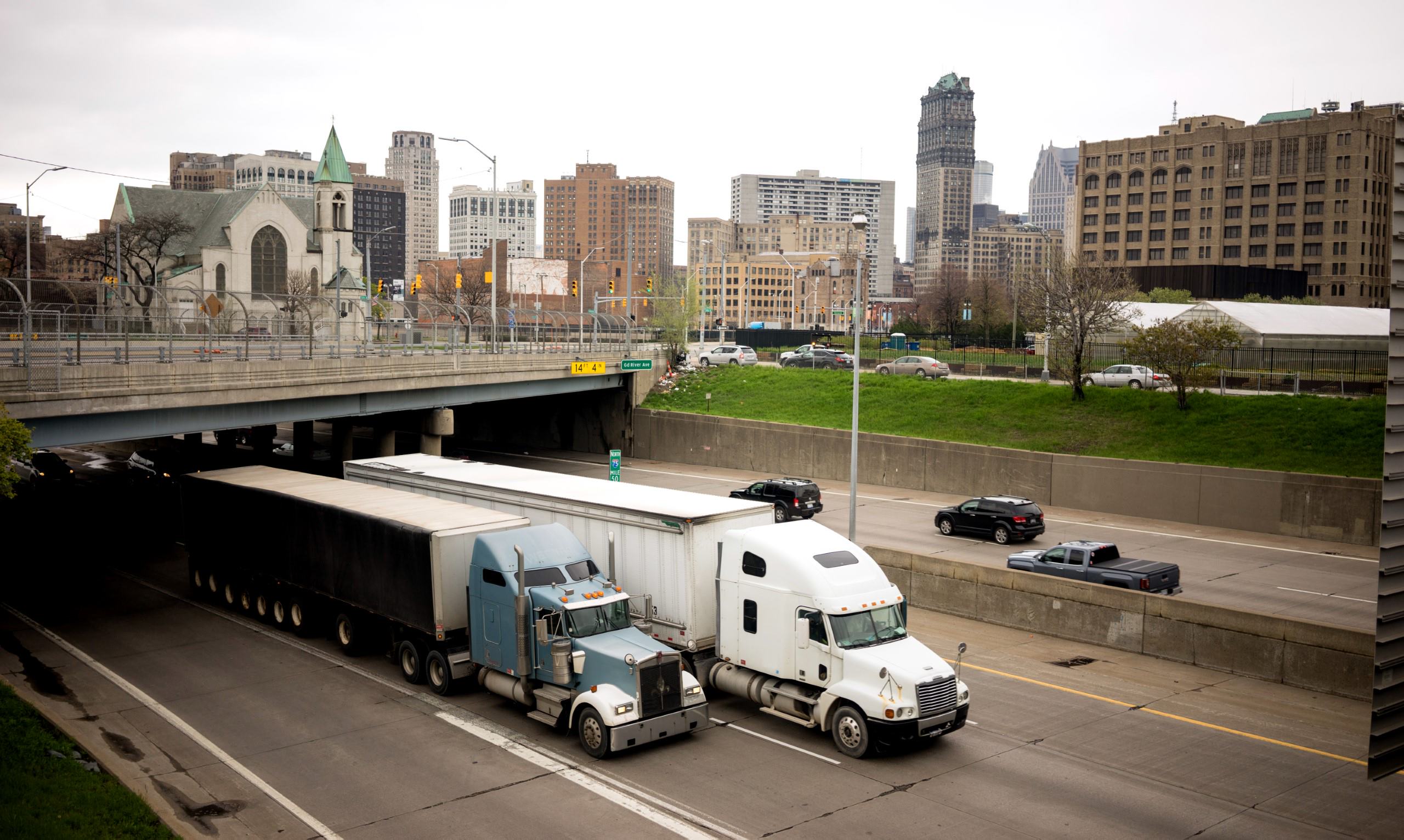
As our roadways become increasingly congested, the juxtaposition of nimble motorcycles against the monstrous silhouettes of big rigs has become an ever-more common sight. While the expansion of highway systems facilitates accessibility and encourages exploration, the mere presence of heavy trucks introduces a significant level of risk, particularly for motorcyclists. Understanding the nuances of riding near these behemoths is more than just a safety measure; it is a prudent strategy for preserving life and limb amid the hustle and bustle of modern travel.
The fascination with the symbiotic relationship between smaller vehicles, like motorcycles, and larger ones, such as trucks, can be traced back to our inherent desire for freedom and the thrill of adventure. However, this romance with danger must be tempered with an acute awareness of the vulnerabilities posed when traversing alongside these gallant giants of the asphalt. Here, we delve into essential strategies for navigating the tumultuous waters associated with riding near big rigs, fostering not only survival but an enhanced riding experience.
1. Understanding Blind Spots
The first step in mastering the perils of riding near heavy trucks is to familiarize oneself with their blind spots, often referred to as ‘no-zones.’ These obscure areas, typically located directly behind and to the sides of the truck, are hiding spots where a driver may not see smaller vehicles. A basic rule of thumb is to avoid lingering in these seldom-monitored zones. When you find yourself alongside a truck, try to position yourself within the driver’s line of sight by ensuring that you can see their mirrors—if they cannot see you, they cannot avoid you.
2. Maintain a Safe Following Distance
One of the cardinal rules of safe riding is to maintain a safe distance from the vehicle in front of you. When it comes to big rigs, this principle is amplified. These trucks require significantly more time to stop than a motorcycle. Riding too close can result in a perilous situation if the truck unexpectedly brakes, leading to potential collisions. A safe following distance of at least four to five seconds allows for adequate reaction time to unforeseen circumstances, ensuring you can safely navigate any abrupt stops.
3. Be Aware of Wide Turns
Big rigs possess an outsize ability to execute wide turns that often encroach upon adjacent lanes. As a motorcyclist, allowing ample room when you observe a truck preparing to turn is paramount. Be cautious at intersections where these large vehicles must swing wide to navigate corners safely. Such maneuvering can easily catch an unsuspecting rider off guard, resulting in an accident. Always be on the lookout for turn signals and be prepared to yield space.
4. Anticipate Weather Conditions
Weather conditions play a pivotal role in the synergy between motorcyclists and heavy trucks. Rain can create treacherous road surfaces, increasing stopping distances and diminishing visibility. Wind, too, can exacerbate control issues, as large vehicles are often more susceptible to gusts that might affect their trajectory on the road. Always adapt your riding style according to prevailing weather conditions, reducing speed and maintaining heightened awareness when partnered with heavy trucks on less than ideal days.
5. Avoid Lane Splitting in Dense Traffic
Lane splitting—where motorcyclists maneuver between lanes to navigate traffic—is a commonly accepted practice in certain regions. However, during moments when big rigs populate your surroundings, this tactic can quickly become fraught with peril. In dense traffic, trucks can surround you, limiting your escape routes and increasing the risk of being squeezed between vehicles. When approaching large trucks, consider sticking to one lane and waiting for a safer opportunity to advance.
6. Use Defensive Riding Techniques
Defensive riding is not merely a buzzword; it is an essential approach that can mean the difference between a close call and a catastrophic mishap. This includes being vigilant about the behavior of truck drivers and their potential actions. Always assume that they may not see you or anticipate your movements. Actively scan your surroundings and be prepared to react to sudden changes in traffic patterns, especially when a big rig is involved. Remember, foresight is an invaluable ally on two wheels.
7. Signal Clearly and Early
Communication is the bedrock of road safety. When maneuvering around or near heavy trucks, it is crucial to signal your intentions clearly and well in advance. Whether you are changing lanes, turning, or slowing down, make sure that your signals are evident to all nearby drivers. This proactive approach diminishes the likelihood of misunderstandings that can lead to dangerous situations. Utilize your turn signals generously and approach intersections with a heightened sense of purpose.
8. Embrace the Space
While the adrenaline of sharing the road with larger vehicles can be exhilarating, it is imperative to remember that space is your ally. Don’t feel compelled to squeeze into tight spots merely because there is a perceived opening. Always prioritize your safety over urgency. Much like how a big rig requires space to maneuver safely, motorcyclists should maintain adequate separation from heavy traffic to allow for unexpected developments.
Conclusion
Ultimately, the road is a shared space, fraught with challenges and opportunities. The connection between motorcyclists and big rigs is a multifaceted one, marked by danger yet woven with the threads of mutual respect and understanding. By harnessing awareness, defensive riding techniques, and educated decision-making, riders can mitigate risks associated with riding near heavy trucks, ensuring that their journeys remain exhilarating, safe, and filled with the freedom one expects from the open road.