The Canadian chopper bike scene is a symphony of steel and spirit, where raw power meets artistic audacity. These custom creations are not merely machines; they are rolling manifestos of rebellion, freedom, and unbridled creativity. Each chopper is a testament to the builder’s vision, a fusion of engineering precision and rebellious flair that turns the ordinary into the extraordinary. The best Canadian chopper fabricators don’t just build bikes—they sculpt dreams into reality, forging two-wheeled masterpieces that command attention and ignite passion.
The Art of Metal and Myth: Crafting a Chopper’s Soul
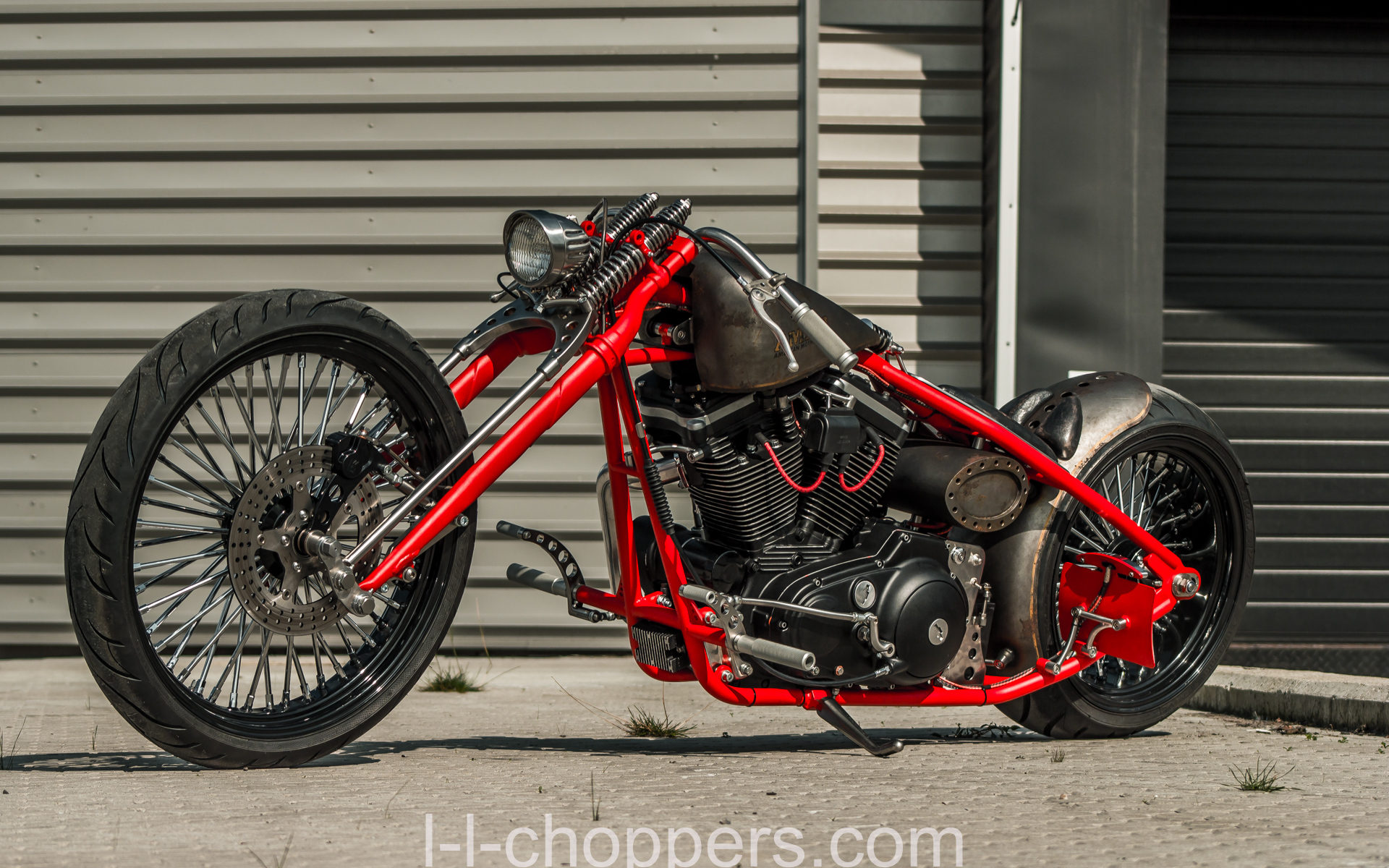
A chopper is more than a vehicle; it’s a canvas where metal becomes poetry. The best Canadian fabricators approach their work with the reverence of a sculptor chiseling marble, each cut and weld a deliberate stroke in a larger narrative. The frame, often a stretched backbone of chromoly steel, is the skeleton of this mechanical beast, while the forks—raked at daring angles—give it an almost predatory stance. The fuel tank, sleek and curvaceous, cradles the essence of the machine like a knight’s shield, and the exhaust pipes roar with the voice of a thousand thunderstorms.
What sets Canadian choppers apart is their fearless embrace of asymmetry. Unlike their production-line cousins, these bikes are asymmetrical works of art, where a single, exaggerated feature—a towering ape hanger handlebar, a seat that seems to float above the frame—becomes the focal point of a larger, harmonious chaos. The builders here don’t follow rules; they rewrite them, bending steel to their will and crafting machines that defy convention.

The process begins with a sketch, a fleeting idea scribbled on paper that soon evolves into a three-dimensional dream. CAD software may guide the initial cuts, but it’s the hands of the fabricator—calloused, steady, and brimming with intuition—that bring the design to life. Every weld is a heartbeat, every polish a whisper of refinement. The result? A chopper that doesn’t just ride; it commands the road like a sovereign.
From Garage to Legend: The Rise of Canadian Chopper Culture
Chopper culture in Canada didn’t emerge from a vacuum; it grew from the soil of rebellion and the seeds of necessity. In the vast, open landscapes of the Great White North, where distances are measured in hours and the horizon is a constant companion, the motorcycle became more than a mode of transport—it became a lifeline. Riders sought machines that could match the ruggedness of their environment, and fabricators answered with choppers that were as durable as they were dazzling.
The 1960s and 70s saw the rise of outlaw biker clubs, and with them, a demand for bikes that reflected their ethos: unapologetic, untamed, and unmistakably individual. Canadian fabricators, often working in small garages or hidden workshops, became the unsung heroes of this movement. They weren’t just building bikes; they were forging identities. A chopper from these early days wasn’t just a vehicle—it was a statement, a badge of honor, a rolling piece of history.
Today, that legacy lives on. Modern Canadian chopper fabricators honor tradition while pushing boundaries. They experiment with materials like carbon fiber and titanium, incorporate cutting-edge suspension systems, and even integrate electric powertrains—all while preserving the raw, unfiltered aesthetic that defines the chopper. The result is a culture that is both rooted in history and soaring toward the future.

What’s fascinating is how this culture has transcended its outlaw origins to become a mainstream phenomenon. Choppers now grace the pages of glossy magazines, star in blockbuster films, and command eye-watering prices at auctions. Yet, the soul remains unchanged. The best Canadian fabricators still build bikes for riders who understand that a chopper isn’t just a machine—it’s a way of life.
The Anatomy of a Canadian Chopper: Where Form Meets Function
A true Canadian chopper is a study in contrasts: the raw power of its engine juxtaposed against the delicate artistry of its paint job; the brute force of its suspension system softened by the elegance of its lines. Let’s dissect this mechanical marvel to understand what makes it tick—and why it stirs the soul.
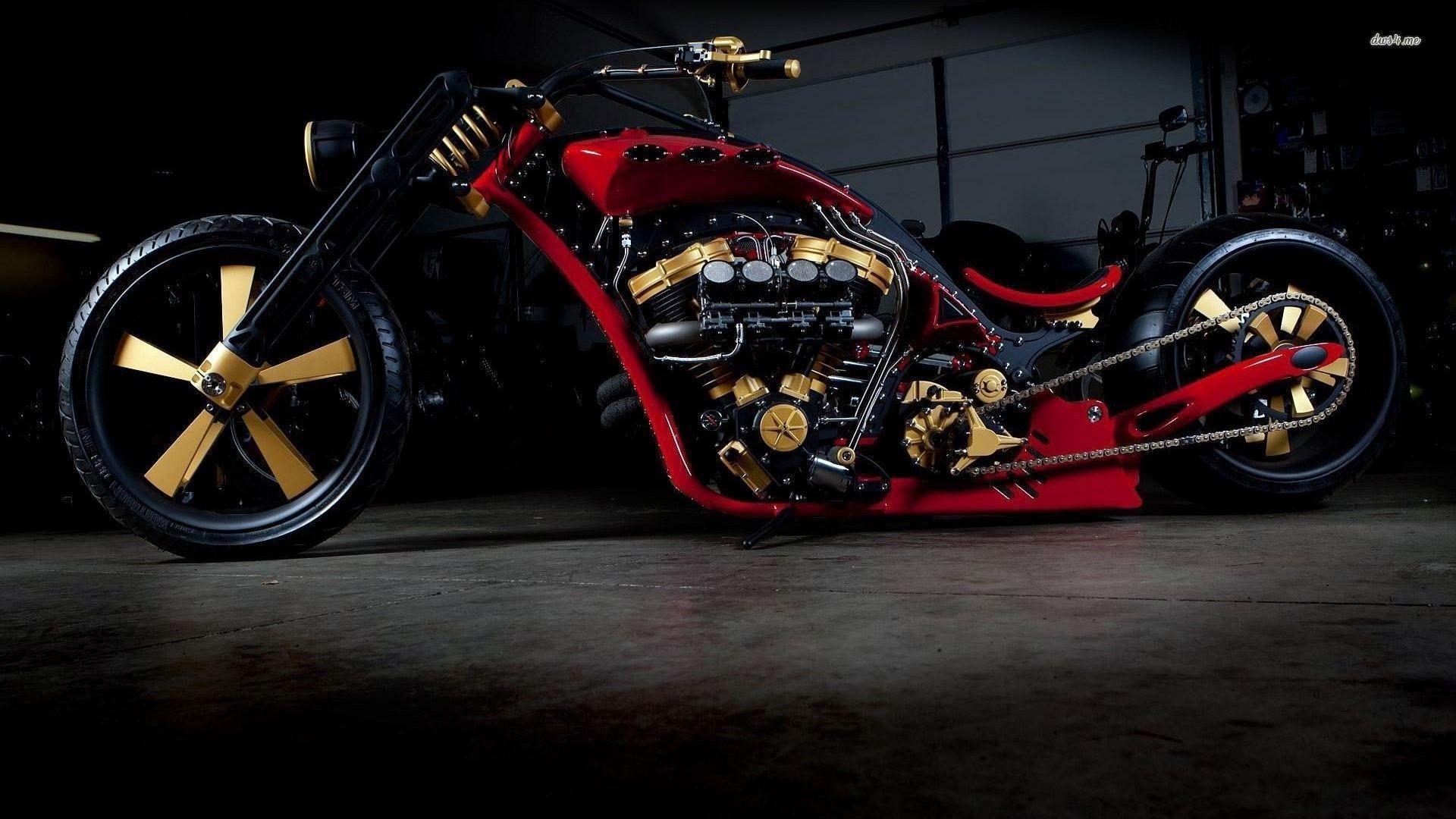
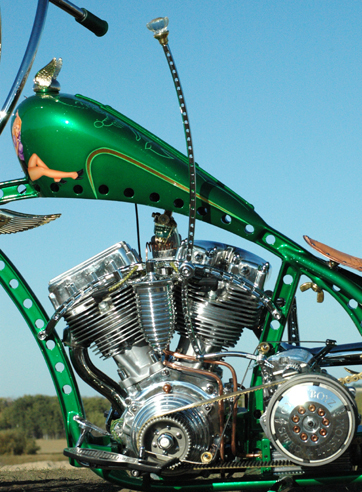
The engine is the heart of the chopper, and Canadian fabricators have a particular fondness for the V-twin. Whether it’s a thundering Harley-Davidson Milwaukee-Eight or a custom-built powerplant, the engine is often left exposed, a gleaming testament to the bike’s mechanical prowess. The transmission, too, is a focal point, with a single-speed or a vintage four-speed adding to the bike’s character. There’s no hiding here—every component is on display, every bolt a deliberate choice.
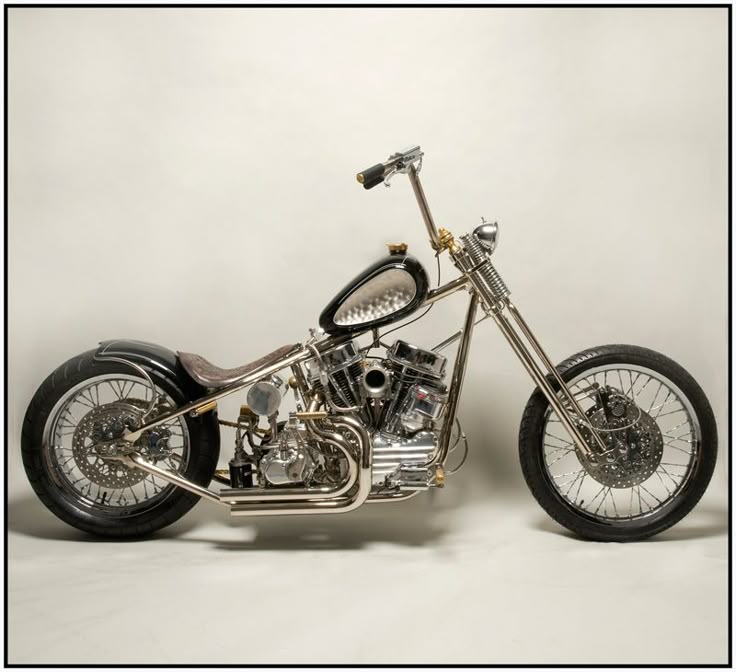
The frame is the backbone, and in Canadian choppers, it’s often a stretched, hardtail design that emphasizes simplicity and strength. The lack of rear suspension isn’t a compromise; it’s a statement. It forces the rider to connect more intimately with the road, to feel every vibration and undulation as part of the experience. The front end, with its raked forks and often a springer or girder fork setup, adds to the bike’s aggressive stance, making it look like it’s perpetually poised to pounce.
Then there’s the seat—a throne of leather and steel, designed to cradle the rider in comfort while exuding an air of command. The handlebars, too, are a defining feature. Ape hangers, drag bars, or one-piece units, they’re never just functional; they’re an extension of the rider’s personality. And let’s not forget the wheels. Wide, fat tires grip the road like a predator’s claws, while the rims—often custom-cast or polished aluminum—add a touch of elegance to the otherwise rugged aesthetic.

But perhaps the most striking feature of a Canadian chopper is its paint job. Gone are the days of simple two-tone schemes. Today’s choppers are adorned with murals that tell stories—flames that lick the frame, skulls that grin from the gas tank, or abstract patterns that seem to shift and move as the bike rolls down the road. The paint isn’t just decoration; it’s a narrative, a visual poem that complements the mechanical symphony beneath.
Masters of the Craft: Profiles of Canada’s Finest Chopper Fabricators
Behind every legendary chopper is a master fabricator, a visionary who transforms steel into legend. Canada is home to some of the most innovative and passionate builders in the world, each with their own signature style and philosophy. Let’s meet a few of these modern-day alchemists.
Rusty Russell is a name that resonates in chopper circles like a thunderclap. Based in Alberta, Rusty is known for his “bobber-chopper” hybrids—bikes that blend the stripped-down simplicity of a bobber with the elongated, rakish lines of a chopper. His work is characterized by a raw, industrial aesthetic, where welds are left visible and components are purposefully exposed. Rusty’s choppers don’t just ride; they dominate the road with an almost primal presence.
Lena Moreau, one of the few prominent female fabricators in a male-dominated industry, brings a unique perspective to chopper design. Based in Quebec, Lena’s bikes are a fusion of elegance and rebellion. She favors clean lines and minimalist designs, often incorporating unexpected materials like wood or brushed aluminum. Her choppers are less about brute force and more about finesse, yet they never lose that rebellious edge.
Big Tom Callahan, a legend in Ontario’s chopper scene, is renowned for his “monster bikes”—choppers so large and imposing that they seem to defy physics. Big Tom’s creations are often over 10 feet long, with wheels so wide they look like they belong on a monster truck. Yet, despite their size, these bikes handle with surprising agility, a testament to Tom’s engineering prowess. His work is a celebration of excess, a middle finger to convention.
These fabricators, and many others like them, are the architects of Canada’s chopper renaissance. They don’t just build bikes; they create icons. Their workshops are temples of creativity, where every project is a labor of love and every chopper a masterpiece in motion.

Their influence extends beyond the garage. Many of these builders are also educators, hosting workshops and online tutorials to inspire the next generation of fabricators. They understand that the chopper culture thrives on sharing knowledge, on passing down the torch of craftsmanship to those who will carry it forward.
The Chopper as a Cultural Icon: More Than Just a Bike
A chopper is more than a machine; it’s a cultural artifact, a symbol of freedom, rebellion, and individuality. In Canada, where the vast wilderness and open roads beckon, the chopper has become a totem of the rider’s spirit. It’s a machine that doesn’t just transport you from point A to point B; it carries you on a journey of self-discovery and adventure.
In literature and film, the chopper is often portrayed as the steed of the antihero—a lone rider navigating a world of chaos and conformity. Think of the chopper in *Easy Rider*, a symbol of the counterculture movement, or the bikes in *Sons of Anarchy*, where they represent brotherhood and defiance. These portrayals have cemented the chopper’s place in the public imagination as a vehicle of rebellion, a two-wheeled manifesto of nonconformity.
But the chopper’s appeal isn’t limited to its rebellious connotations. It’s also a machine of pure, unadulterated joy. There’s something magical about the way a chopper handles, the way it responds to the rider’s touch, the way it seems to dance on the road. It’s a feeling that can’t be replicated in a car or on a standard motorcycle. The chopper is a dance partner, a willing accomplice in the rider’s quest for freedom.
In Canada, choppers have also become a canvas for storytelling. Riders attach personal histories to their bikes, turning them into rolling diaries of their lives. A chopper might bear the scars of a cross-country journey, the paint chipped from a brush with a guardrail, or the gleam of a freshly polished tank that reflects a new chapter in the rider’s life. These bikes are more than machines; they’re companions, confidants, and symbols of the rider’s identity.

The chopper’s cultural significance is also reflected in the events and gatherings that celebrate it. From the annual Sturgis Motorcycle Rally in the U.S. to local meetups in small-town Canada, these events are more than just bike shows—they’re festivals of camaraderie, where riders from all walks of life come together to share their passion. The air is thick with the scent of gasoline and leather, the sound of engines roaring in unison, and the unmistakable buzz of excitement. It’s a celebration of the chopper culture, a testament to its enduring appeal.
The Future of Canadian Chopper Fabrication: Innovation Meets Tradition
The world of chopper fabrication is evolving, and Canadian builders are at the forefront of this revolution. While tradition remains the bedrock of their craft, innovation is pushing the boundaries of what’s possible. Electric choppers, once a novelty, are now a reality, with fabricators experimenting with battery-powered engines that deliver instant torque and whisper-quiet operation. These bikes retain the chopper aesthetic but offer a greener, more sustainable ride.
3D printing is another game-changer. Fabricators are using additive manufacturing to create complex, lightweight components that were previously impossible to produce. Custom handlebars, intricate fairings, and even entire frames can now be printed to exact specifications, allowing for a level of personalization that was once the stuff of dreams. This technology is democratizing the craft, making it possible for smaller workshops to compete with the big players.
Sustainability is also becoming a priority. Canadian fabricators are increasingly turning to recycled materials, eco-friendly paints, and energy-efficient processes to reduce their environmental footprint. Some builders are even incorporating solar panels into their designs, turning their choppers into mobile power stations. It’s a nod to the chopper’s rebellious roots—rebelling not just against convention, but against waste and excess.
Yet, despite these innovations, the soul of the chopper remains unchanged. The best fabricators understand that innovation must serve the essence of the machine. A chopper should still look like it belongs in a biker’s garage, not a sci-fi movie. The raw, unfiltered aesthetic is non-negotiable. The challenge is to blend the old with the new, to create bikes that honor tradition while embracing the future.

The future of Canadian chopper fabrication is bright, filled with possibilities that were once unimaginable. But one thing is certain: the spirit of the chopper will endure. It will continue to be a symbol of freedom, a canvas for creativity, and a testament to the unbreakable bond between rider and machine. As long as there are roads to ride and dreams to chase, the chopper will roll on.