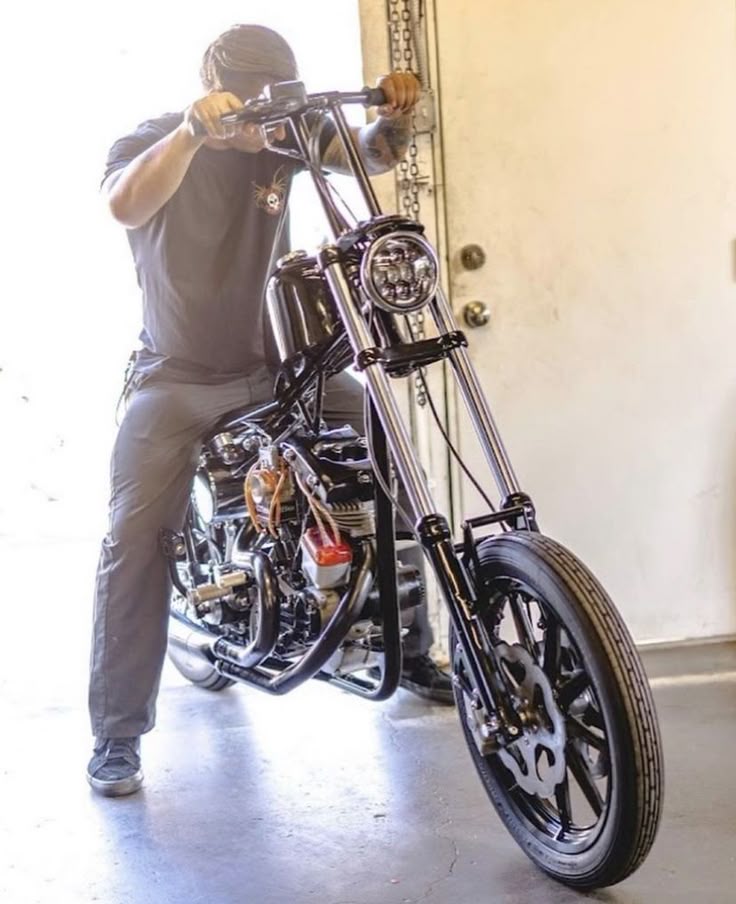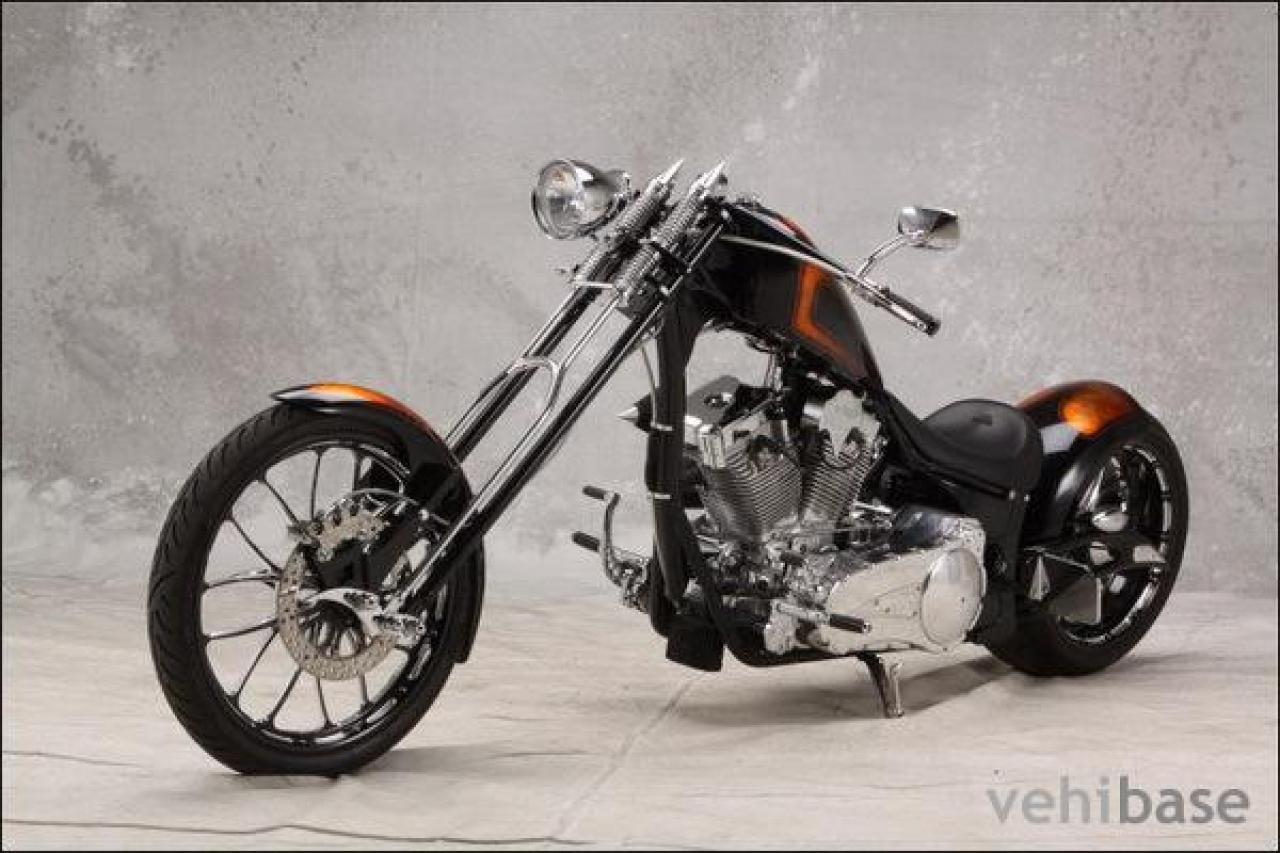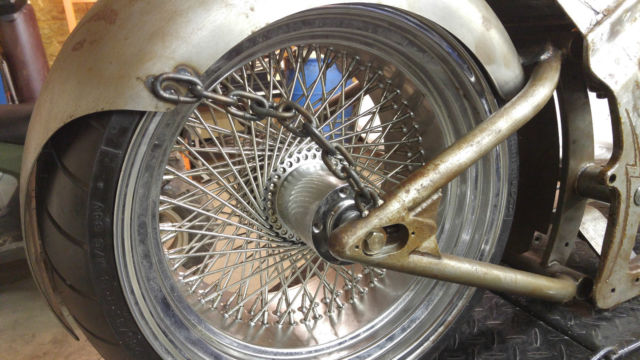
Imagine a machine that doesn’t just move—it breathes. A rolling chassis isn’t just a frame; it’s the heartbeat of your custom chopper, the silent architect of every twist, every throttle, every moment of pure, unfiltered freedom. But where do you find one that doesn’t just roll, but roars with possibility? Where do you go to turn a dream into steel and rubber? The answer isn’t just a place—it’s a revelation.
The Anatomy of a Rolling Chassis: More Than Just a Frame
A rolling chassis is the skeletal symphony of your chopper, where every weld, every bolt, every curve tells a story. It’s not merely a collection of parts—it’s the foundation of your riding identity. The frame dictates stance, the suspension whispers to the road, and the wheels hum with intent. But here’s the twist: not all rolling chassis are born equal. Some are forged in the fires of mass production, cold and unyielding. Others are handcrafted by artisans who see metal as a canvas. The difference isn’t just in quality—it’s in soul.
Look for a chassis that doesn’t just support weight, but anticipates motion. Seek out geometries that invite customization, where the rake and trail aren’t fixed but fluid. A true rolling chassis should feel like an extension of your body, not a cage. It should whisper, not shout—until you twist the throttle, and then it should scream.
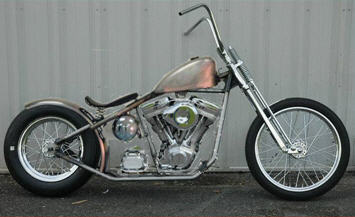
Where to Begin: The Digital Forge of Custom Chopper Dreams
The internet is a vast marketplace, but not all forges are equal. Some are digital bazaars where dreams go to die under the weight of generic parts. Others are curated galleries where every listing feels like a handshake with the builder. Start your search on platforms that specialize in custom motorcycles—sites where the sellers aren’t just vendors, but enthusiasts who understand the language of chrome and steel.
Look for marketplaces with filters that let you refine by frame material, wheelbase, and even the builder’s philosophy. Some chassis are designed for builders who want to start from scratch; others are turnkey, ready to bolt on your engine and hit the road. The key is to ask yourself: Do I want to sculpt, or do I want to assemble? Your answer will guide you to the right digital forge.
And don’t overlook the power of community. Forums and social media groups dedicated to custom choppers are treasure troves of insider knowledge. A single post can lead you to a builder whose work speaks to you—or to a hidden gem of a chassis that hasn’t hit the mainstream yet.
The Artisan’s Touch: Handcrafted Rolling Chassis and Why They Matter
Mass-produced frames are the fast food of the chopper world—convenient, but lacking depth. Handcrafted rolling chassis, on the other hand, are the gourmet meals: slow-cooked, meticulously seasoned, and unforgettable. These are the frames built by builders who measure in millimeters, not inches. Who see a sketch and hear the hum of a welder’s torch before the metal even cools.
Why does this matter? Because a handcrafted chassis isn’t just a product—it’s a partnership. The builder doesn’t just sell you a frame; they sell you their vision. They’ll ask about your riding style, your aesthetic preferences, even the roads you dream of conquering. The result? A rolling chassis that doesn’t just fit you—it feels like it was born from your soul.
But be warned: handcrafted comes with a price. These frames are investments, not commodities. Yet for those who understand the difference between riding a bike and living with one, the cost is negligible compared to the reward.

Salvage, Scrap, and Serendipity: The Unconventional Path to Your Rolling Chassis
Not every great rolling chassis starts life as a rolling chassis. Some begin as forgotten relics in a junkyard, waiting for a builder with the vision to see their potential. Others are salvaged from wrecks, reborn through the alchemy of restoration. This is the path less traveled—a journey of patience, intuition, and a little bit of luck.
The allure of the unconventional is undeniable. There’s a romance to rescuing a frame from obscurity, to breathing new life into something that was once discarded. But it’s not for the faint of heart. You’ll need a keen eye for hidden gems, a tolerance for ambiguity, and a willingness to embrace imperfection. The reward? A rolling chassis that carries a story—one that’s uniquely yours.
If you’re drawn to this path, start by scouring salvage yards, online auctions, and even local classifieds. Look for frames with clean welds, minimal rust, and a geometry that intrigues you. And don’t be afraid to ask questions. The seller’s story could be the missing piece of your chopper’s puzzle.
Beyond the Frame: The Ecosystem of a Rolling Chassis
A rolling chassis isn’t an island—it’s part of a larger ecosystem. The frame is just the beginning. To bring your chopper to life, you’ll need to consider the suspension, the wheels, the brakes, and the drivetrain. Some rolling chassis come pre-packaged with these components, while others leave you to curate your own symphony of parts.
If you’re new to the world of custom choppers, a turnkey rolling chassis might be the way to go. These packages are designed to be bolted together, with all the critical components pre-selected for compatibility. They’re the training wheels of the custom chopper world—safe, predictable, and perfect for learning the ropes.
For the seasoned builder, however, the real magic happens in the details. A custom suspension setup can transform a chopper’s ride from jarring to silky. Hand-forged wheels add weight and character. And a carefully chosen drivetrain turns a machine into a legend. The key is to think of your rolling chassis as the canvas, not the painting. The real artistry comes in what you add to it.
The Final Piece: Trust and Transparency in Your Purchase
No matter where you buy your rolling chassis, trust is the cornerstone of the transaction. You’re not just purchasing a product—you’re investing in a vision. That means you need to know the seller’s reputation, their craftsmanship, and their commitment to quality. Look for builders who offer warranties, detailed documentation, and a willingness to answer your questions—no matter how granular.
Transparency is equally critical. A reputable seller will provide clear photos, measurements, and specifications. They’ll be upfront about any flaws or limitations. And they’ll stand behind their work, because they know that a rolling chassis isn’t just a sale—it’s the beginning of a lifelong relationship with your chopper.
If you’re buying online, ask for references. Check reviews. And don’t hesitate to request additional photos or videos. The more you know, the fewer surprises you’ll encounter down the road. Because in the end, the best rolling chassis isn’t just the one that looks the part—it’s the one that feels like it was made for you.
Your chopper isn’t just a machine. It’s a manifesto. A declaration of intent. And the rolling chassis? It’s the first line of that manifesto. Choose wisely, and it will carry you not just down the road—but into legend.