Motorcycling, once a rugged endeavor characterized by simplicity and raw power, has traversed a remarkable journey of evolution. From the sputtering engines of early machines relying on rudimentary carburetion to the sophisticated ecosystems of contemporary motorcycles equipped with cutting-edge rider aids, the sport has transformed beyond recognition. This article delves into the metamorphosis of motorcycling technology, illuminating how far it has come by exploring various facets of this evolution.
1. The Birth of Carburetors: A Mechanical Marvel
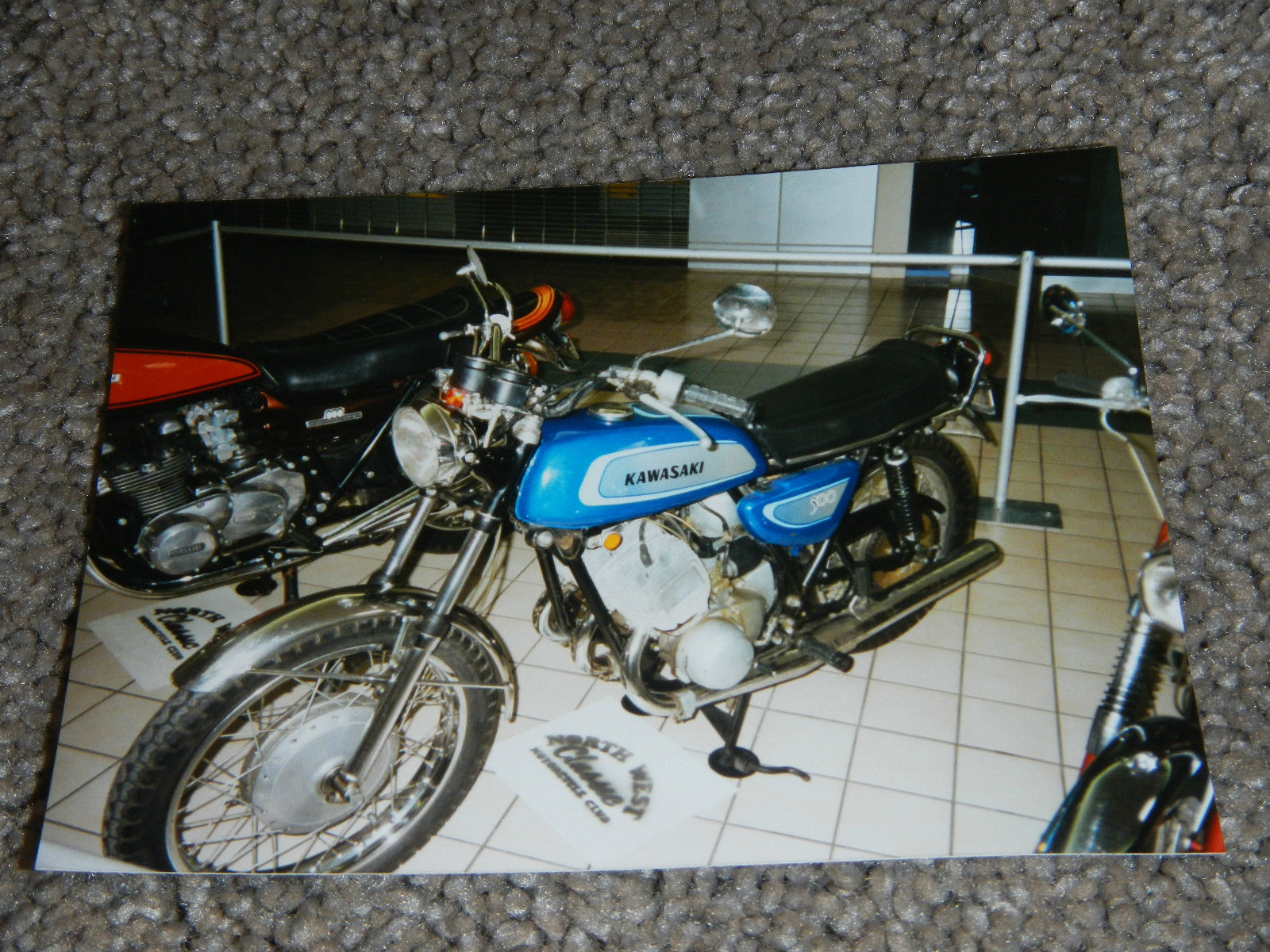
The inception of motorcycling in the late 19th century heralded the advent of carbureted engines. Carburetors played a pivotal role in mixing air and fuel, laying the groundwork for propulsion. These mechanical devices, although often finicky, were ingenious in how they directed air through a narrow jet, creating a vacuum that drew fuel into the airstream. Motorcycles like the 1914 Harley-Davidson V-twin exemplified this technology, offering increased speed and performance for thrill-seeking riders.
Despite their mechanical wonder, carburetors were notorious for inefficiency. Variations in altitude and temperature could lead to performance inconsistencies, and tuning them required a deft touch. Nevertheless, they signified the dawn of motorcycling, setting the stage for subsequent innovations.
2. Enter Electronic Fuel Injection: Precision at Last
Fast forward to the late 1980s, and the evolution of motorcycle technology welcomed electronic fuel injection (EFI). EFI systems replaced carburetors, employing sensors to determine the optimal air-fuel mixture. This advancement not only enhanced fuel efficiency but also offered smoother throttle response and reduced emissions, aligning with increasingly stringent environmental regulations.
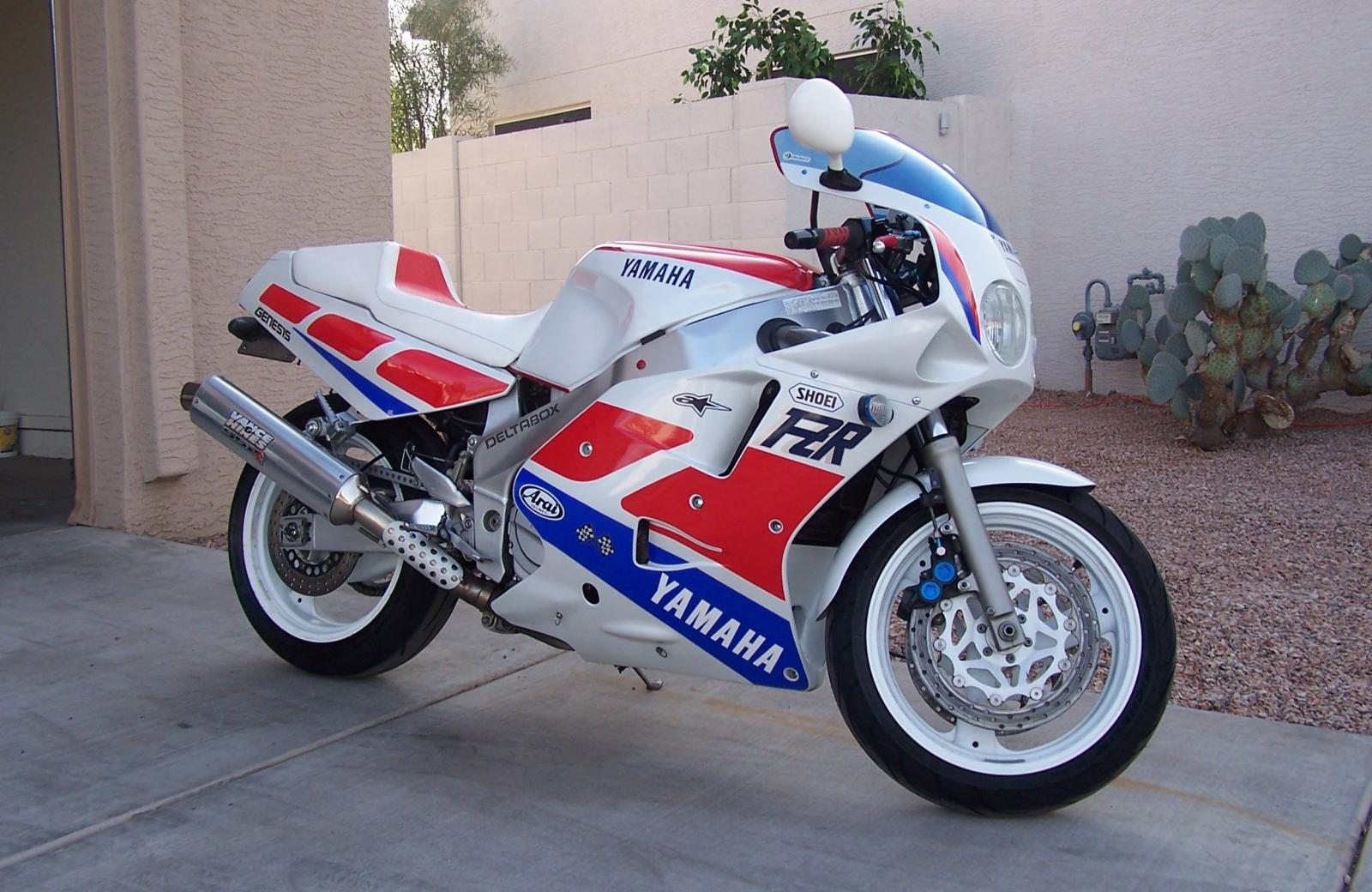
Motorcycles such as the 1986 Yamaha FZR1000 showcased the potential of EFI. Riders experienced transformational performance, with crisp acceleration and adaptability to varying atmospheric conditions. EFI represented not merely an upgrade but a paradigm shift towards precision engineering in the motorcycle industry.
3. Embracing Digital Revolution: Engine Management Systems
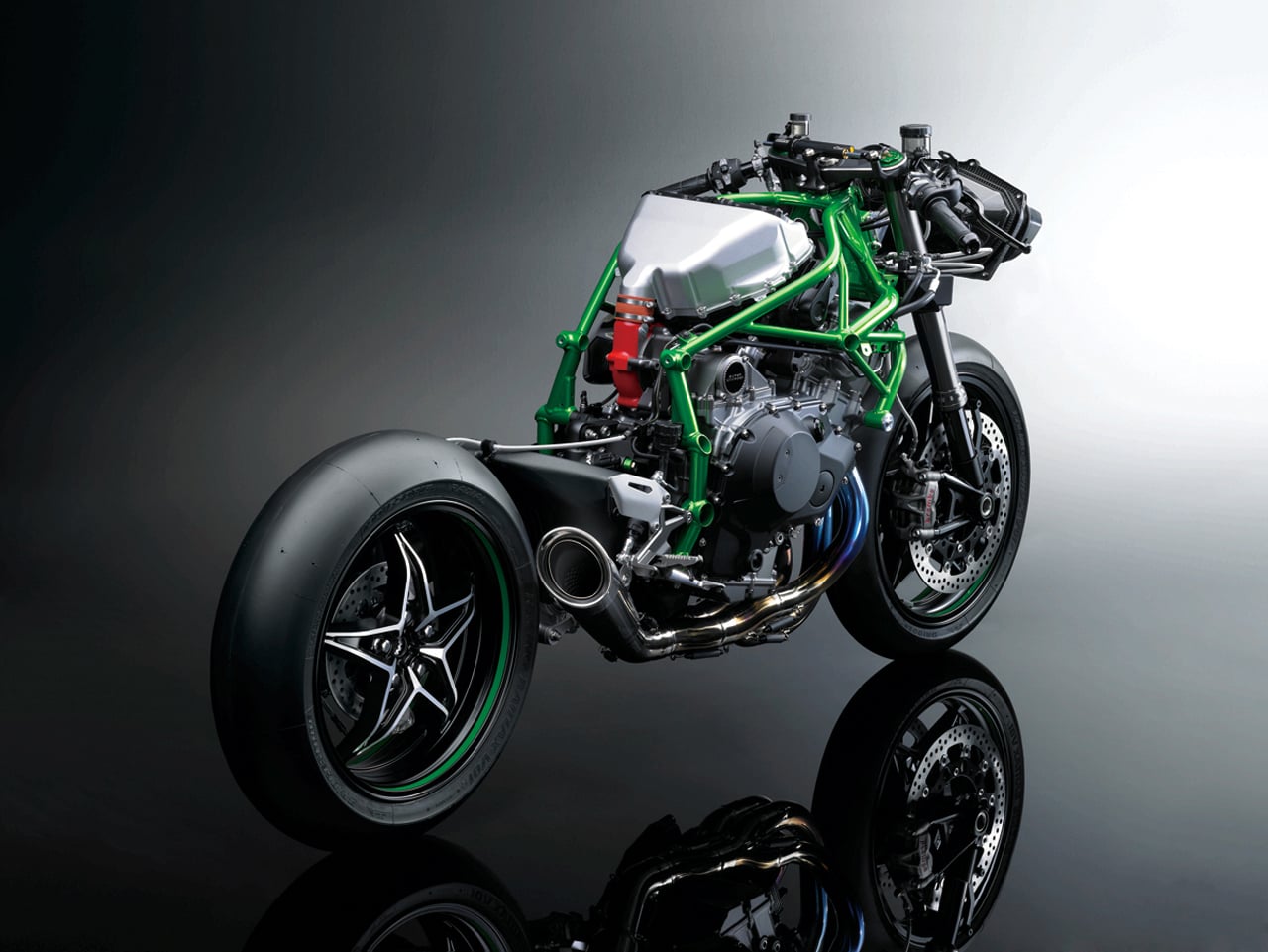
The turn of the millennium brought forth an era dominated by advanced engine management systems (EMS). These sophisticated circuits now govern critical functions such as ignition timing, fuel delivery, and even traction control. By integrating a network of sensors and electronics, motorcycles were capable of real-time optimization, enhancing rider experience with unprecedented reliability.
Manufacturers like Ducati and BMW have been at the forefront of this revolution. The introduction of systems like Ducati’s DTC (Ducati Traction Control) and BMW’s ASC (Automatic Stability Control) has provided riders with enhanced control, particularly in challenging conditions. The ability to tailor the motorcycle’s performance to the rider’s skill level has made the sport more accessible, inviting a broader audience into the fold.
4. Riding With Intelligence: The Advent of Rider Aids
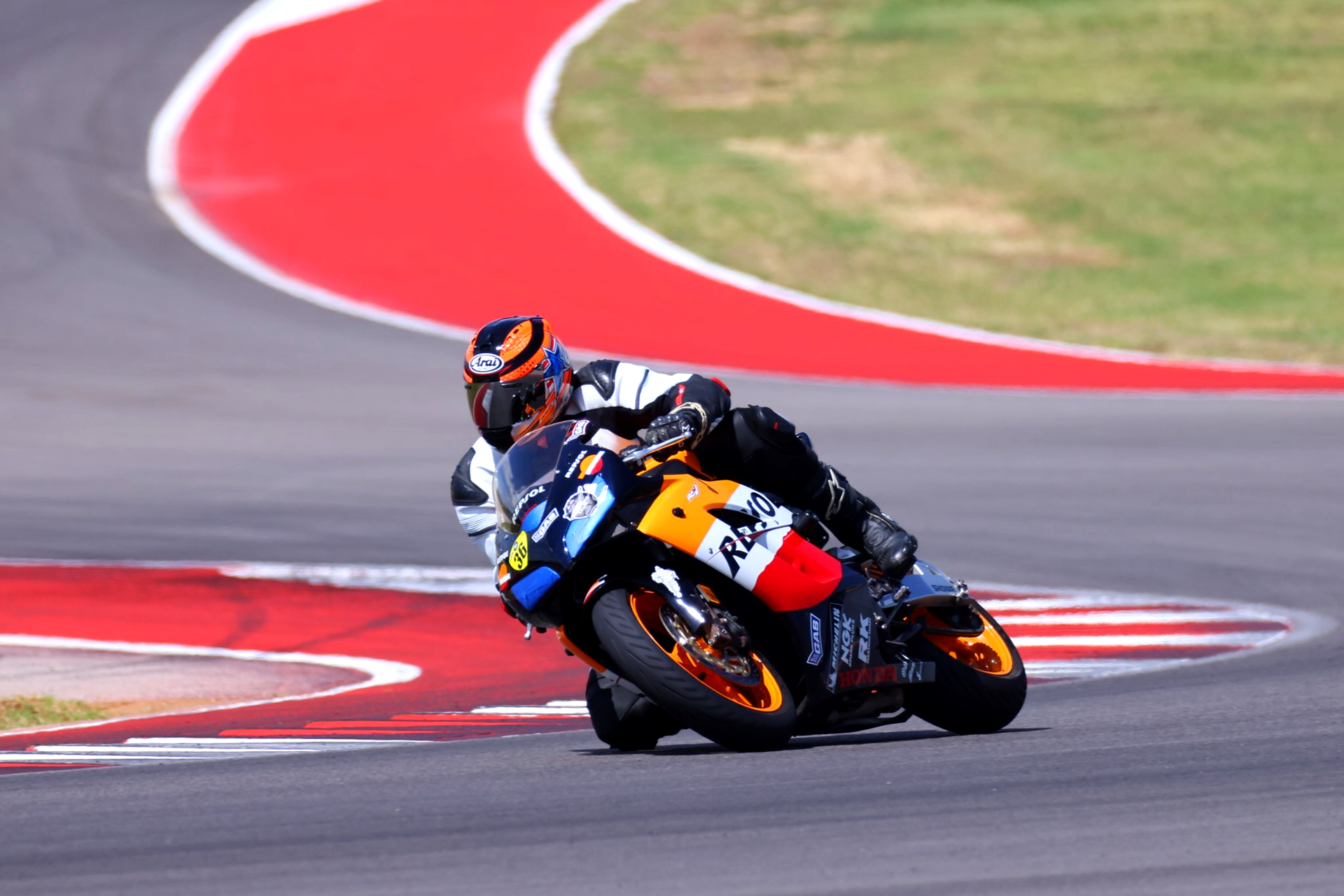
The past decade has seen an explosion in the development of rider aids, propelling motorcycling into a thriving realm of safety and performance enhancement. These technologies extend far beyond simple power management; they encompass an array of systems designed to augment the riding experience.
One of the most well-known innovations is anti-lock braking systems (ABS). Originally devised for cars, ABS has proven indispensable for motorcycles, significantly reducing the likelihood of wheel lock during sudden braking, thereby enhancing stability. This technology was soon followed by cornering ABS and combined braking systems, which allow for harmonic braking during turns, cultivating rider confidence.
Furthermore, systems like quick shifters and cruise control have emerged, elevating long-distance touring experiences. Quick shifters enable seamless gear transitions without the need for clutch operation, optimizing acceleration. Adaptive cruise control takes things a step further, utilizing sensors to maintain a safe distance from preceding vehicles, allowing riders to enjoy their journey without the constant need for throttle adjustments.
5. Connectivity and the Digital Age: Smartphones and Motorcycles
The relationship between motorcycles and technology has also evolved to include connectivity. As smartphones became ubiquitous, manufacturers began integrating them into the riding experience. Bluetooth-enabled systems allow riders to connect their devices to helmets and displays, facilitating navigation prompts, music streaming, and hands-free communication.
Applications like ride planners provide insights into optimal routes, while advanced onboard computers monitor engine performance and rider statistics. The infusion of technology into motorcycles has ushered in an era of personalized riding experiences, enabling an unparalleled engagement between machine and rider.
6. The Future Beckons: Autonomous Riding and Beyond
The future of motorcycling is laden with potential, as the industry eyes the tantalizing prospect of autonomous riding. While fully automated motorcycles remain in their infancy, the principles of automation and smart technology are being integrated into modern bikes. Innovations such as cruise control and collision avoidance systems serve as stepping stones toward a more independent riding experience.
Manufacturers are investing heavily in research and development to create motorcycles that can self-diagnose issues, alert the rider of potential hazards, and even adjust systems based on individual rider preferences. These possibilities promise to enhance safety and enjoyment, ensuring motorcycling remains a formidable force in personal mobility.
In summary, the transformation of motorcycling from carburetors to advanced rider aids is a testament to human ingenuity and an unwavering commitment to progress. Each technological leap, reflective of changing times and consumer needs, has sculpted the very essence of riding. As we peer into the horizon, one cannot help but wonder what incredible advancements lie ahead on this boundless journey.