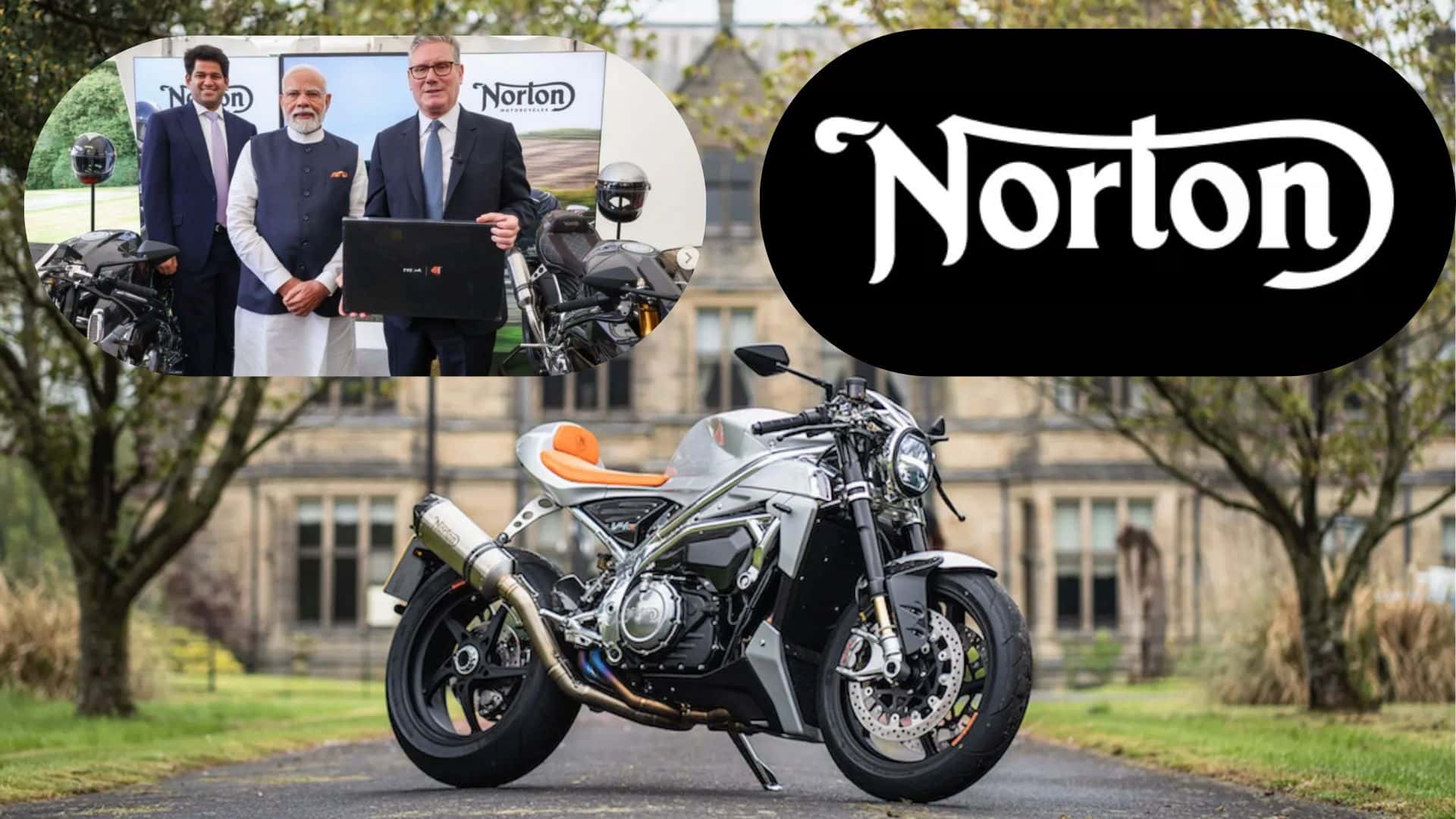
Norton Motorcycles Explained: From Revival to Bankruptcy and Beyond
Imagine a venerable motorcycle brand, steeped in history and enthusiast fervor, suddenly navigating a rollercoaster of revival and turmoil. What does it mean for the passionate motorcycle community and the industry as a whole? Norton Motorcycles, a name synonymous with British engineering and style, has had a tumultuous journey, one that offers profound lessons on resilience, innovation, and the ceaseless pursuit of excellence.
1. The Origins of Norton: A Legacy Born in the Smoke of WWI
Norton Motorcycles originated in 1898, created by James Lansdowne Norton in Birmingham, England. The early 20th century was an intriguing time for motorcycling as it transitioned from pedal power to motorized machines. Norton quickly distinguished itself with the introduction of the ‘Norton Motorcycle’ in 1902. By the onset of World War I, Norton’s reputation as a quality manufacturer had begun to burgeon, thanks to its robust and reliable military motorbikes.
The post-war years in the 1920s and 30s marked a period of remarkable innovation. Norton cemented its legacy by excelling in racing competitions and introducing iconic models such as the Norton 16H, known for its unrivaled durability. The brand became synonymous with the Isle of Man TT, where it dominated the races for decades. The triumphs on the racetrack laid the groundwork for a fierce loyalty among motorcycle enthusiasts globally.
2. A Rocking Chair of Ownership and Identity: Transition Through the Years
Fast forward to the mid-20th century, and the motorcycle industry began to undergo seismic shifts. Norton found itself entwined in a web of ownership changes. By the 1970s, the acquisition by the Norton Villiers group created brand fragmentation, leading to a decline in the company’s once-sterling reputation. This chaotic ownership structure muddied the waters of identity and brand coherence, as various iterations failed to uphold the Norton legacy.
While the latter half of the 20th century posed challenges for Norton’s survival, it remained a critical player in the modestly resurgent British motorcycle industry. The brand’s struggle during this period raises an intriguing question: Could a storied heritage be both a boon and a burden in the face of modern competition?
3. Revival and Resurgence: The New Dawn
In 2008, a glimmer of hope emerged as a team of enthusiasts purchased Norton, aiming to restore it to its former glory. This marked the beginning of a renaissance for the brand. The Norton Commando was reintroduced, blending time-honored design with modern technology. The motorcycles featured cutting-edge engineering while respecting traditional aesthetics, showing how nostalgia can inspire innovation.
This renaissance drew in a new generation of customers and collectors. Marketing strategies utilizing social media platforms allowed Norton to craft an engaging narrative that resonated with enthusiasts. With custom builds and limited editions, Norton tapped into the zeitgeist of the modern motorcycle market—capitalizing on the allure of bespoke craftsmanship and performance.
4. Successful Models and Innovations: The Pinnacle of Engineering
The release of models like the Norton Dominator and the V4 RR further showcased a blend of heritage and avant-garde engineering. These high-performance machines appealed to modern enthusiasts and highlighted Norton’s burgeoning reputation in the premium motorcycle segment. The engineering renaissance emphasized a commitment to performance, aesthetics, and riding experience, entrenching Norton in the high-performance market niche.
However, can any motorcycle company maintain constant innovation while appeasing a nostalgic customer base? Balancing modernity and tradition in such a competitive field presents a formidable challenge. As Norton sought to navigate this complex terrain, it had to remain vigilant against the whims of market demands and consumer behavior.
5. Towards Bankruptcy: The Fall from Grace
The question herein arises: Can a two-century-old brand, rich in tradition, adapt swiftly enough to the evolving landscape of the global motorcycle market? The stakes were incredibly high, and the stakes involved compelling complexities that confronted every new initiative launched by Norton.
6. A New Chapter: Lessons from Bankruptcy
Upon entering bankruptcy, the company was bought by TVS Motor Company, an Indian conglomerate seeking to capitalize on Norton’s resilient brand heritage. This acquisition holds promise and challenges alike. Would the fresh capital influx allow for a complete reimagining of production processes, or would the legacy become overshadowed by modern manufacturing practices?
This new era, characterized by the confluence of Indian engineering prowess and British legacy, sets the stage for innovative motorcycle rejuvenation. The re-establishment of the Norton brand emphasizes the importance of agility in fulfilling both consumer expectation and market demands. While the revival journey endured obstacles, the resolve to adapt illustrates a poignant truth: in a rapidly changing world, resilience is crucial.
7. Conclusion: Boldly Accelerating into the Future
As Norton navigates this latest chapter, enthusiasts globally watch with baited breath. Will this storied brand—symbolic of Britain’s rich motorcycle heritage—reemerge as a leader in the modern landscape of motorcycling? The challenges are manifold, and the opportunity for innovation is ripe. Norton Motorcycles embodies a lesson that transcends industries: traditions may define a company, but the courage to innovate propels it forward. So, can Norton, with its rich tapestry of history, once again write its legacy, or will it falter in a swiftly evolving world? Only time will tell.