Motorcycle design has traversed a remarkable journey, evolving from rudimentary structures to intricate machines laden with cutting-edge technology. One might ponder, how has this transformation influenced the very essence of riding? In the bustling neighborhoods of New York, this evolution is palpable, reflecting the city’s dynamic culture and innovative spirit. As you embrace the streets one roar at a time, consider the challenge of understanding this evolution, not just as a series of technological advancements, but as a narrative that interweaves style, engineering, and user experience.
Here are ten pivotal stages in the evolution of motorcycle design, showcasing how these marvels of engineering have transformed over time. Each point is set against the backdrop of iconic New York City neighborhoods, offering a tantalizing glimpse into where you might find these evolution standards.
1. The Birth of the Motorcycle Frame
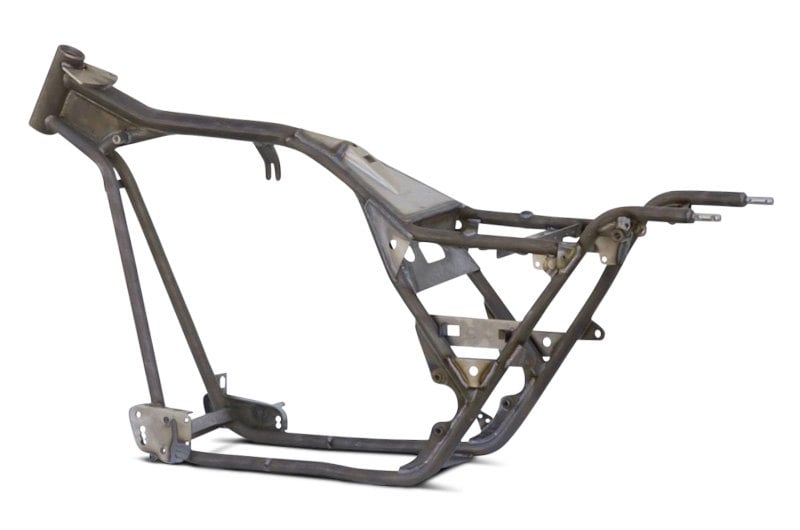
The journey begins in the late 19th century with the invention of the simple frame, often made of steel tubing. This gave rise to the first motorcycles, which were little more than bicycles with engines. At places like Brooklyn’s Showroom NYC, located at 1234 Franklin Avenue, enthusiasts can discover replicas of these original designs that showcase the raw simplicity of early motorcycles. The skeletal structures emphasized function over form and laid the groundwork for future innovations.
2. The Chopper Revolution
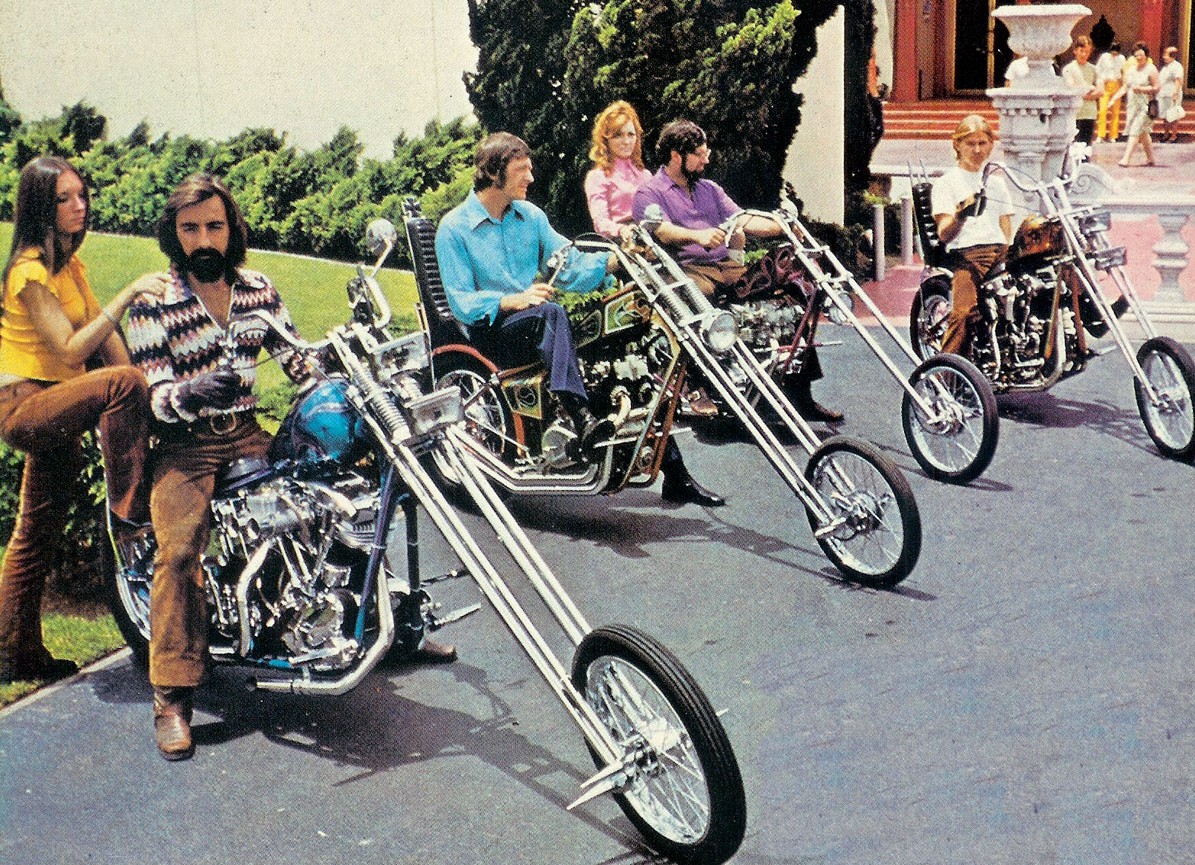
Fast forward to the 1960s, when the chopper movement erupted. Customization became paramount as riders sought individuality. Residing in the vibrant circles of East Village, NYC, enthusiasts can explore shops like Chopper Time (456 St. Marks Place; 212-555-9876; www.choppertimenyc.com) that specialize in bespoke builds. This era was characterized by elongated forks and minimalist designs, inviting riders to express their personal stories through their machines. This amalgamation of art and engineering heralded a new age of motorcycle creativity.
3. The Café Racer Phenomenon
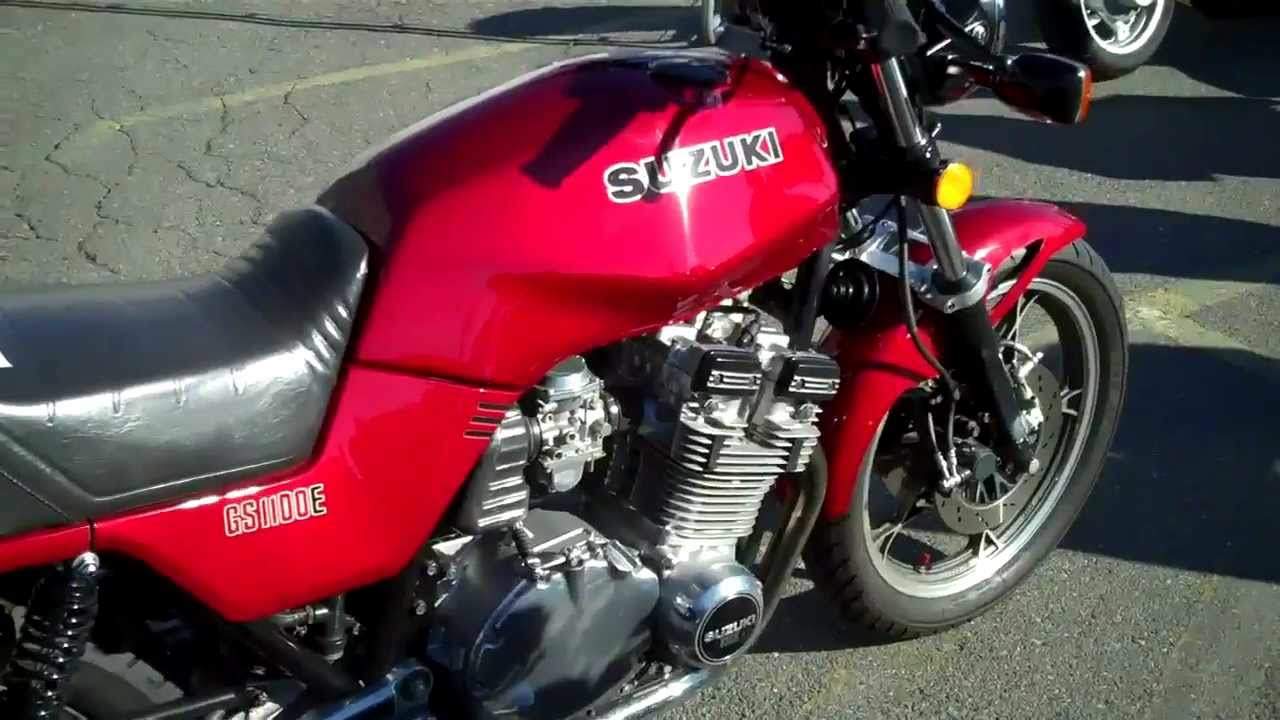
During the 1970s, the café racer emerged from Britain but found a hearty following in New York’s youth culture. At Lower East Side’s Moto Cafe (789 Orchard Street; 212-555-5432; www.motocafenyc.com), one can sip coffee while marveling at these streamlined motorcycles. Their lightweight frames and classic lines were tailored for speed and agility, allowing for spirited rides and exhilarating urban escapades. Here, aesthetic beauty met sheer performance, making it a favorite among city dwellers.
4. The Introduction of Suspension Technologies
As motorcycles gained popularity, ride comfort became crucial. The 1980s introduced advanced suspension technologies, catering to a smooth ride regardless of urban potholes. Places like Harley-Davidson of NYC (101 West 13th Street; 212-555-1111; www.hdnyc.com) flaunt models with state-of-the-art suspension systems. These innovations transformed the rider experience, allowing for longer journeys without discomfort, thereby enticing a new demographic of riders.
5. The Advent of Digital Electronics
With the dawn of the 1990s, motorcycles began to incorporate digital electronics. These innovations included electronic fuel injection systems and advanced diagnostic tools. In neighborhoods like Hell’s Kitchen, Digital Motors (321 West 45th Street; 212-555-2222; www.digitalmotors.com) showcases motorcycles that boast such technological advancements, enhancing efficiency and performance. Riders were now provided with data at their fingertips, reshaping the riding experience into one that felt intuitive and engaging.
6. The Rise of Cruiser Motif
The late 1990s saw the rise of the cruiser motorcycle, characterized by a relaxed riding position and a sleek design. In Queens, at NYC Cruisers (654 Astoria Boulevard; 718-555-3333; www.nyccruisers.com), you can witness how this style melds tradition with innovation. Cruisers combined powerful engines with a laid-back aesthetic, allowing riders to traverse cityscapes in comfort and style during leisurely rides or daily commutes.
7. The Embrace of Eco-Friendly Engineering
As environmental consciousness burgeoned in the early 2000s, manufacturers began producing eco-friendly motorcycles. Hybrid models started appearing, emphasizing reduced emissions. Visit Green Machine Cycles in Williamsburg (912 Bedford Avenue; 718-555-4444; www.greenmachinecycles.com) to explore electric models that sustain performance while being gentle on the planet. This period poses a provocative question: could the shift towards sustainability steer the future of motorcycling?
8. Smart Technology Integration
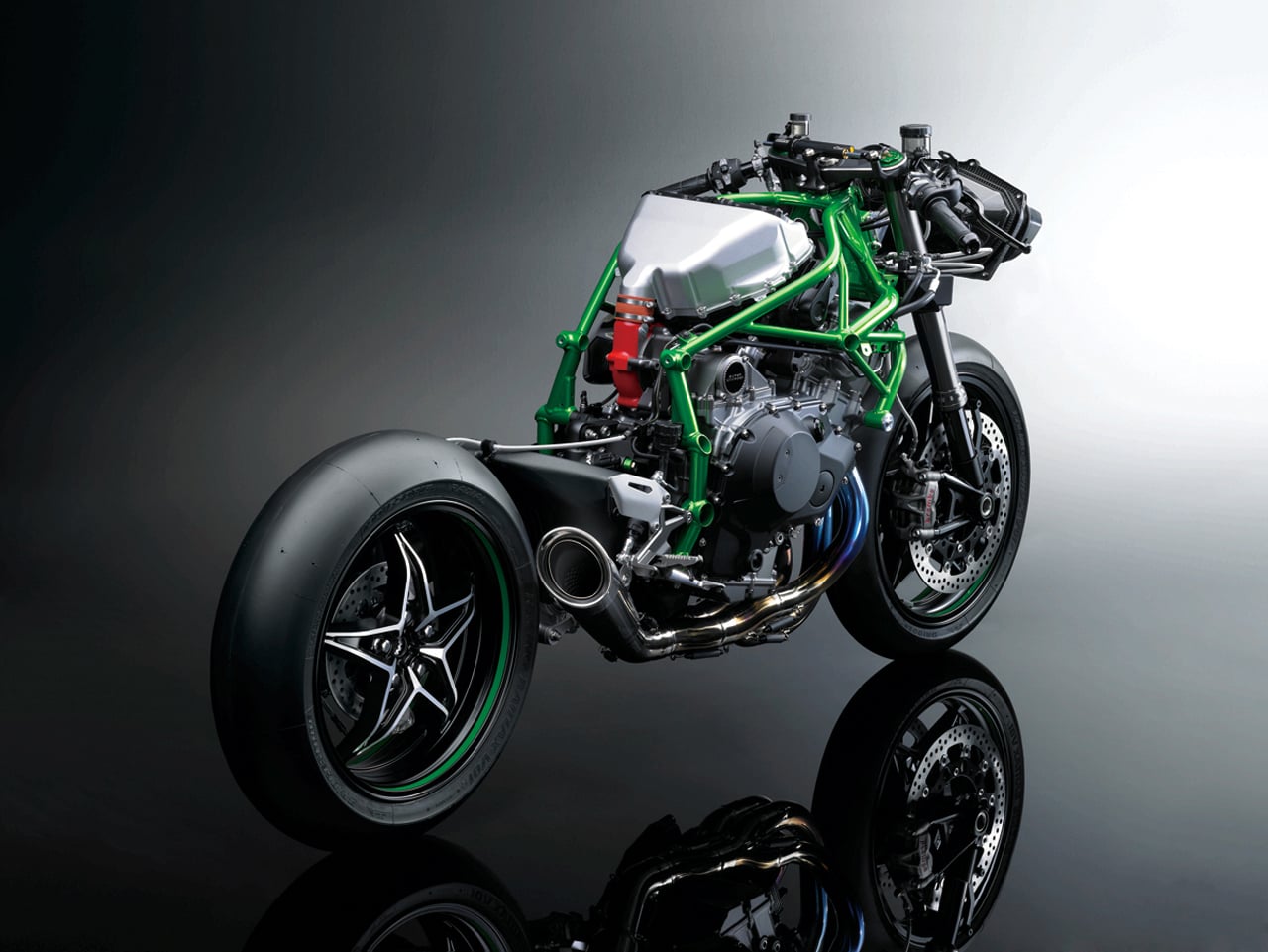
Today, we find ourselves amid a technology renaissance in motorcycle design. The incorporation of smart technologies such as ride-by-wire systems, adaptive cruise control, and integrated navigation systems has become commonplace. Within Tribeca’s Tech Bikes (555 Greenwich Street; 212-555-5555; www.techbikesnyc.com), motorcycle connoisseurs can experience firsthand the minds behind this cutting-edge technology. Riding these smart machines prompts a new challenge: how do we balance the allure of technology with the raw essence of motorcycling?
9. The Customization Craze
Another exultant trend in motorcycle design today is the resurgence of customization. Ranging from aesthetic modifications to performance tweaks, personalization is abundant. In SoHo, get creative at Custom Cycles (333 West Broadway; 212-555-6666; www.customcyclesnyc.com). This embrace of customization reflects a desire for individuality, resonating with New York’s ethos of self-expression. Each bike tells a unique story, merging engineering with artistry like never before.
10. Future Directions: Autonomous Motorcycles
Finally, casting a gaze toward the horizon, the future of motorcycle design could be shaped by the introduction of autonomous capabilities. As companies explore this frontier, envision a world where machines might navigate city streets without human intervention. At establishments like Motorcycle Innovations NYC (888 Avenue of the Americas; 646-555-7777; www.motorcycleinnovations.com), discussions abound regarding this fascinating prospect. One may ask: will the thrill of riding be supplanted by technology, or will it merely redefine our experience?
As we reflect on the timeless evolution of motorcycle design, it’s clear that these machines are so much more than modes of transportation. They are canvases of expression and testaments to engineering prowess. While New York’s neighborhoods pulse with life and culture, the ever-evolving motorcycle design narrative continues to roll forward, inviting riders to become an integral part of its future. What does the road ahead hold, and how will you make your mark on this exhilarating journey?