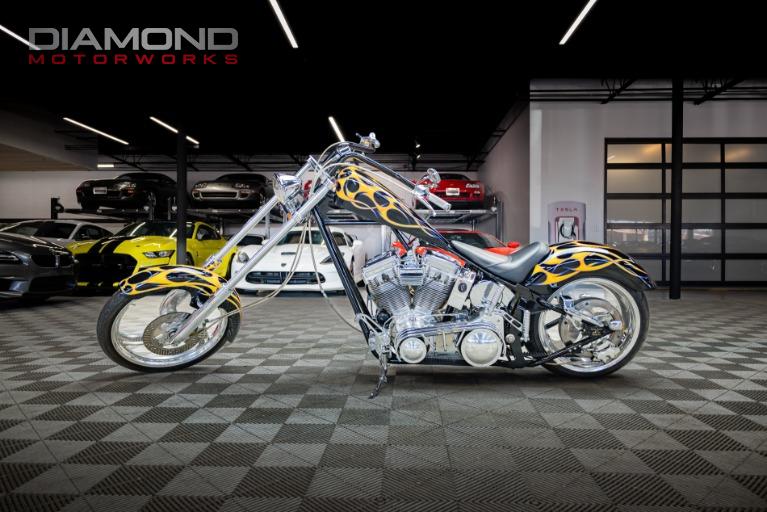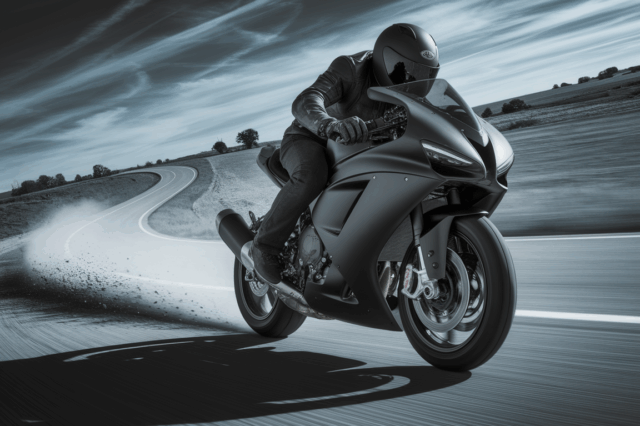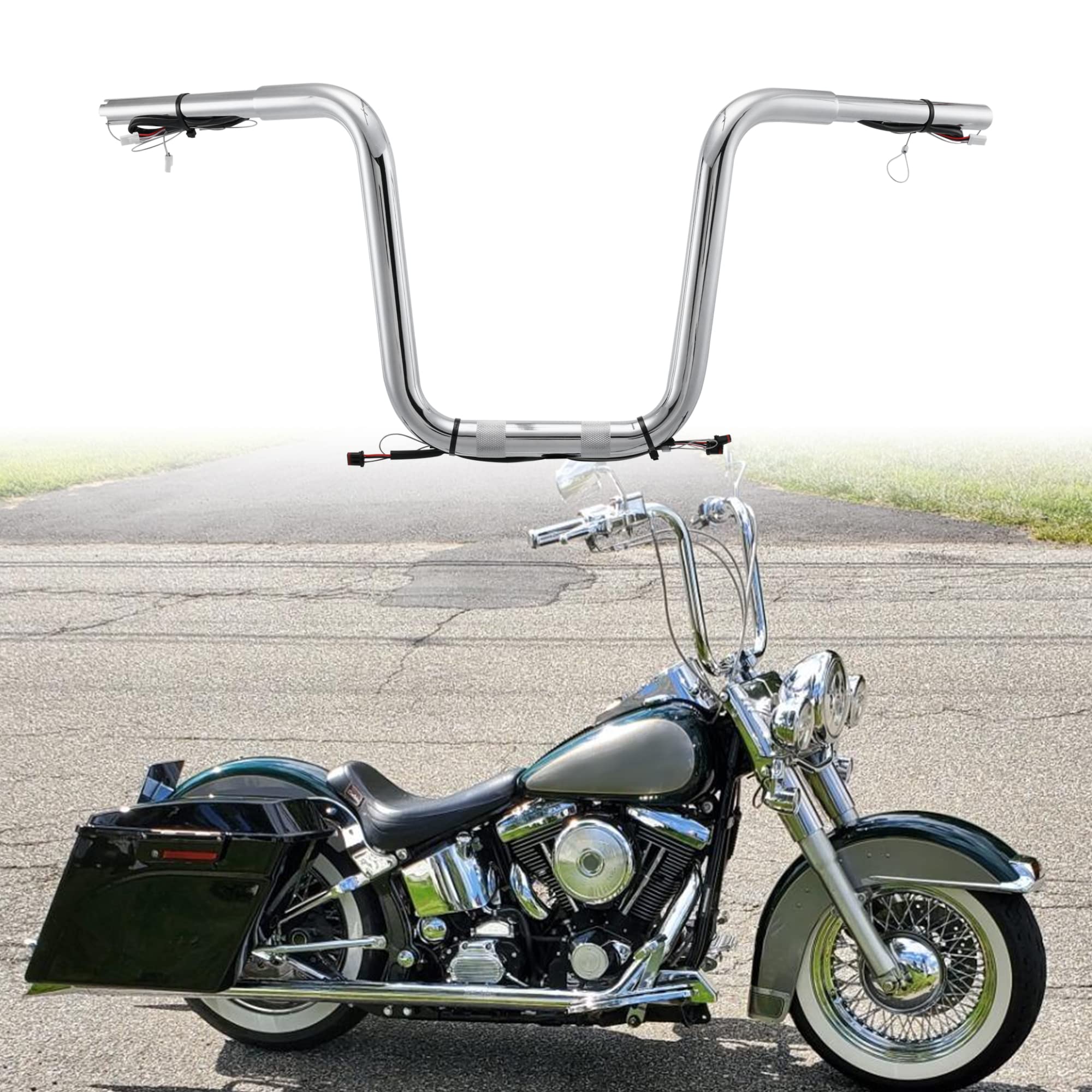
The 10-inch ape hanger handlebars are more than just an accessory; they are a declaration etched in metal and silhouette against the horizon of cruising culture. Picture them as the towering sequoias in the forest of motorcycle design—tall, unmistakable, commanding attention with an almost regal defiance. These handlebars carve out a unique identity, straddling the fine line between avant-garde style and the oft-debated realm of rider comfort. It is in this liminal space that the saga of the 10-inch ape hangers unfolds, inviting enthusiasts to weigh the scales of aesthetic bravado against ergonomic sensibilities.
The genesis of ape hanger handlebars traces back to a desire for individuality and a penchant for the striking. The 10-inch iteration, often termed “mini” by aficionados despite its considerable stature, is the embodiment of subtle audacity. Unlike its towering cousins that reach towards the heavens with an almost exaggerated flair, the 10-inch variant offers a tempered elevation—high enough to lift the rider’s forearms into a commanding posture, yet restrained enough to evade the extremes of discomfort that plague taller models. This height, ideally, is a sweet spot in the design spectrum that appeals to those craving distinction without sacrificing control.
To delve into the style element, the 10-inch ape hangers are veritable statements in silhouette. They transform the motorcycle from a mere vehicle into a chariot of charisma. When mounted, the rider assumes an imposing posture, arms raised like the mast of a ship bracing against an adventurous sea. This posture evokes imagery not only of freedom and rebellion but also of an era-defining spirit reminiscent of the American biker renaissance. Their clean, arching curves provide an aesthetic balance, lending an austere yet charismatic profile to the bike’s overall design.
Stylistically, these handlebars resonate with the archetype of the outlaw biker, yet they transcend cliché by imbuing each ride with a personal emblem of self-expression. The height and sweep of the 10-inch ape hangers serve to elongate the rider’s silhouette, casting a dramatic figure that entwines with the mechanics of the motorcycle into a seamless piece of kinetic art. Their appeal extends beyond the visual; the tactile dimension is equally vital, inviting a ballet of grip and control that is both palpable and profound.
However, where style soars, comfort often finds itself embroiled in contention. The ergonomic implications of ape hangers, regardless of their modest 10-inch rise, are subjects of spirited debate among riders and experts alike. Critics argue that the elevated hand positioning can induce muscle fatigue, strain on the shoulders and back, and potentially impede precise handling during long rides. The shoulders, elevated and slightly externally rotated, might feel the brunt of tension, especially in prolonged cruising scenarios. This physical tableau paints a realistic picture of the cost that sometimes accompanies the pursuit of style.
Yet, the 10-inch ape hangers mitigate many of these concerns through their considered dimensions. Unlike their more exaggerated counterparts stretching 12 inches or more into the sky, these handlebars offer a compromise that marries elevation with manageability. For many riders, the 10-inch rise situates the arms at a height that feels natural rather than forced. Moreover, the grip width and sweep—how the bars curve towards or away from the rider—play pivotal roles in enhancing comfort. The careful modulation of these parameters can transform what might otherwise be an arduous ride into a fluid and balanced experience.
In terms of handling, the impact of 10-inch ape hangers is nuanced. They raise the rider’s hands above the level of their chest, which can influence leverage on the steering and the feel through the handlebars. Yet, with proper setup and adjustment, these bars retain commendable control responsiveness, particularly when coupled with rider adaptation. The innate trade-off lies in the tactile feedback versus the ergonomic strain—a dance between mechanical advantage and human anatomy.
The discourse surrounding the 10-inch ape hangers cannot ignore the psychological dimension of motorcycle customization. They serve as a beacon of identity for riders who view their machines as extensions of their persona. It is a form of visual dialogue, whispering tales of independence, grit, and a rejection of anonymity on the open road. The appeal is almost tribal; choosing these handlebars signals membership to a particular subculture that values both vintage flare and modern performance tolerance.
Moreover, the 10-inch ape hangers possess a rare versatility. They are adaptable to various motorcycle types, from cruisers to choppers, and invite customization with grips, levers, and switches that enhance personal comfort and control. This adaptability ensures that while they underscore distinct stylistic choices, they remain hospitable to modifications aimed at addressing individual ergonomic needs.
The heat of the style versus comfort debate pivots on personal preference and riding conditions. Urban riders who navigate short commutes might find the expressive elevation of 10-inch ape hangers exhilarating without any noticeable discomfort. Conversely, long-distance voyagers, who endure hours in the saddle, might weigh the stylistic advantage against potential physical fatigue more cautiously. Yet, within this variability lies the underpinning truth: the magic of the 10-inch ape hangers is in their ability to evoke passion as much as pragmatic consideration.
Choosing 10-inch ape hangers is, therefore, an exercise in balancing identity with functionality. It challenges the rider to endure a certain degree of physical commitment for the privilege of aesthetic distinction. The decision becomes an intimate negotiation between the steel that shapes their ride and the flesh that must bear its form. In this negotiation, the rider transcends the mundane, embracing a journey not just through miles but through statements of style and whispers of comfort.
Ultimately, the 10-inch ape hanger embodies a paradox wrapped in chrome and rubber: a fusion of audacious style tempered by a quest for ergonomic harmony. It is the whispered anthem of riders who refuse to choose orthodoxy over originality. A symbol that elevates the motorcycle beyond transport, transforming it into an emblem of freedom sculpted to both be seen and felt. This unique appeal ensures that the debate will endure, as all great dialogues do, fueled by riders who chase the horizon in both form and function.