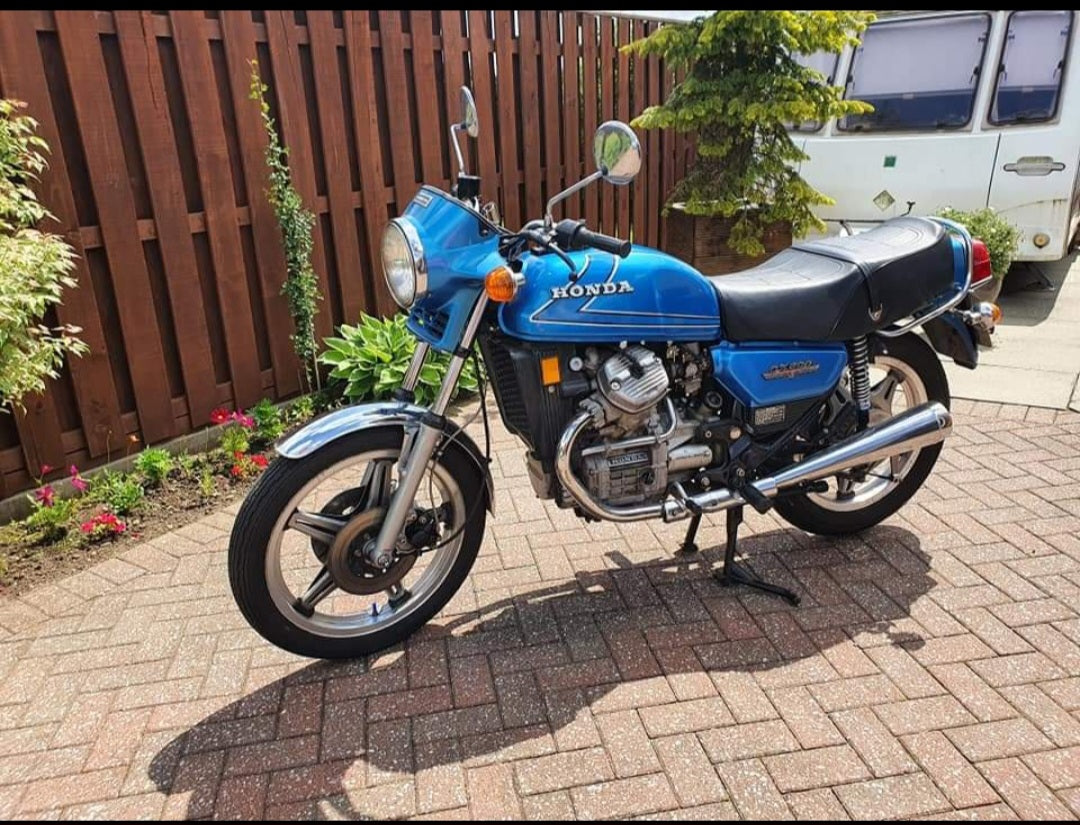
The 1978 Honda CX500 is a motorcycle that often escapes the limelight reserved for its more celebrated contemporaries, yet it remains a paragon of engineering ingenuity and timeless design. Sporting a unique combination of cutting-edge mechanics for its time and an unmistakable aesthetic, the CX500 firmly occupies an esteemed position in the pantheon of classic bikes, waiting patiently to be rediscovered by aficionados and newcomers alike.
At the heart of the CX500 lies its V-twin engine — a 497cc liquid-cooled, longitudinally mounted powerhouse that departed from the conventional air-cooled, transverse layouts dominant in the 1970s. This engine configuration wasn’t just a visual curiosity; it was a masterpiece of mechanical innovation that delivered remarkable smoothness and reliability. The 80-degree V-twin arrangement reduced primary vibration to negligible levels, enhancing rider comfort on long journeys. The liquid cooling system further elevated engine longevity and performance consistency, especially under prolonged use or in warmer climates.
Beyond the engine, the CX500 distinguished itself by adopting a shaft drive system instead of the more common chain drive. This choice was more than a maintenance convenience; it was an emblem of Honda’s commitment to durability and user-friendliness. The shaft drive reduced the frequency of maintenance tasks and minimized the grime associated with chain lubrication, enhancing the overall riding experience without detracting from the motorcycle’s performance metrics.
Visually, the 1978 CX500 exhibits a raw, minimalist charm. The straightforward, angular lines and robust frame construction give the bike a rugged yet refined silhouette that stands the test of time. The distinctive faux air-cooling fins on the engine casing and the signature dual headlights lend the CX500 a character that effortlessly balances functionality with a timeless aesthetic. This motorcycle is not merely transportation; it is a rolling statement of form meeting function.
Delving into the ride dynamics, the CX500 offers a stable and balanced platform. With its relatively low center of gravity and well-judged weight distribution, riders can expect nimble handling characteristics that belie its mid-size frame. Whether navigating city streets or cruising the open highway, the CX500 instills confidence and ease, making it suitable for novices and seasoned riders alike. The comfortable seat positioning and relaxed ergonomics further augment its versatility across different riding contexts.
Maintenance and reliability are critical metrics when assessing classic motorcycles, and here the CX500 shines. Its design prioritizes accessibility, allowing owners to easily perform routine checks and repairs. The widespread availability of parts, complemented by a devoted enthusiast community, ensures that keeping a CX500 on the road remains an achievable endeavor even decades after its initial release. Its robust engineering footprint means these machines are known to endure with minimal fuss when properly cared for.
For those inclined toward customization, the 1978 Honda CX500 serves as a superb canvas. The simplicity of its frame and components makes it highly amenable to various modifications, from cafe racers and bobbers to scrambler-style builds. Its distinctive engine provides a visually striking centerpiece around which creative expression can flourish. Modified CX500s have increasingly become the darling of custom shops and hobbyists seeking a blend of classic charm and modern flair.
Beyond the mechanical and practical aspects lies the narrative of the CX500’s place in motorcycle history. Emerging during a period of rapid technological progression and shifting consumer tastes, it represents a transitional moment: bridging the rugged simplicity of early motorcycles with innovations that would shape the future. It reflects Honda’s ambition to create a bike that balances durability, sophistication, and ease of use. The CX500, therefore, is not just a relic but a testimony to an era defined by engineering audacity and design refinement.
Collectibility and cultural impact also augment the CX500’s appeal. While it never achieved the superstar status of some Japanese contemporaries like the CB series, its rarity and distinctive characteristics have increasingly drawn interest. Enthusiasts value it both for its historical significance and for the pure enjoyment it offers as a rider’s machine. Its understated allure has made it a sought-after prize for collectors who appreciate motorcycles with character rather than mere badge recognition.
In summary, the 1978 Honda CX500 represents an undervalued treasure in the world of classic motorcycling. With an innovative engine layout, shaft drive reliability, timeless aesthetics, and versatile performance, it offers a rewarding ownership experience. Whether approached as a practical daily rider, a collector’s gem, or a base for customization, the CX500 invites riders into a dialogue with the past that is as enriching as it is enjoyable. Rediscovering the CX500 is not merely about acquiring a machine; it is about embracing a piece of motorcycling heritage that continues to resonate decades after its inception.