When dissecting the lineage of muscle bikes, an evocative question inevitably arises: Could the 1980 Honda CB750F Super Sport stand as the last genuine muscle bike of its era? This query isn’t merely rhetorical; it challenges the evolving definition of raw power and mechanical prowess in the motorcycle world. As the 1980s dawned, motorcycles began transforming, morphing into sleek, sophisticated machines prioritizing technology and refinement over sheer brute force. Yet, the CB750F retains a certain visceral charm that beckons enthusiasts and casual observers alike to reconsider what muscle truly means.
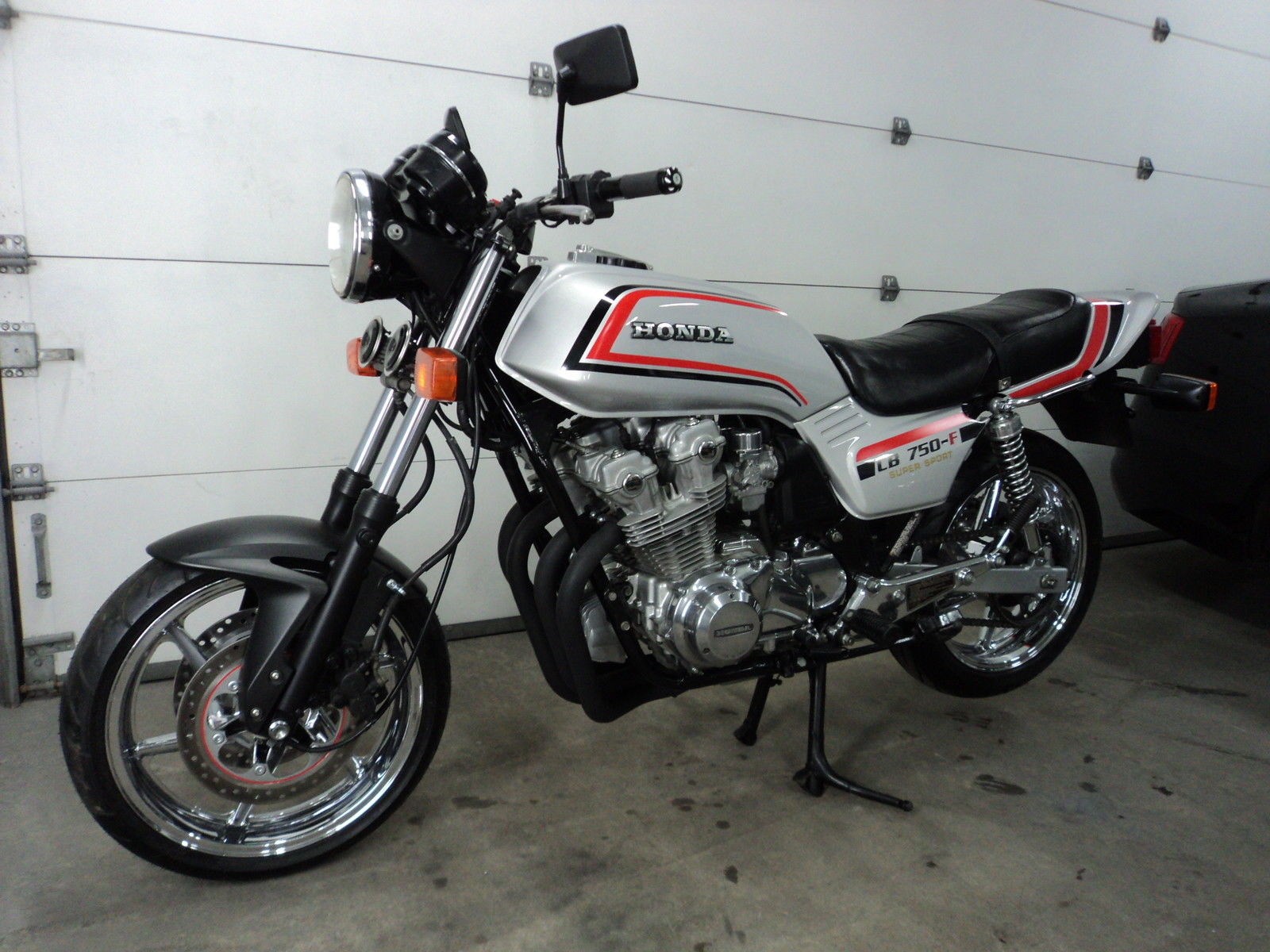
Launched during a transformative period in motorcycling history, the 1980 Honda CB750F Super Sport encapsulates the undiluted spirit of performance that characterized muscle bikes of the 1970s while hinting at the engineering advancements that would dominate the subsequent decades. With its bold aesthetic and uncompromising engineering, the CB750F stands apart, a beacon of both nostalgia and motorcycling significance.
At first glance, the motorcycle’s aggressive posture and muscular frame provide a visual testament to its power-centric design philosophy. Unlike the minimalist sportbikes that were beginning to grace the market, the CB750F is unabashedly bulky, emphasizing substance over form. This massiveness, far from detracting, enhances the impression of brute strength—the kind that recalls the thunderous reverberations of V8 engines rather than the precise whine of modern four-cylinders.
Examining its mechanical heart, the CB750F boasts a four-cylinder, DOHC (Double Overhead Camshaft) engine, displacing 736cc—an impressive figure for its time. The engine’s configuration, coupled with an almost brute-force approach to tuning, yields a surge of power that is both immediate and relentless. Unlike contemporary machines that may sacrifice mid-range torque for top-end peak power, the CB750F delivers a thick, accessible thrust throughout the rev band, making every twist of the throttle a raw, tactile experience.
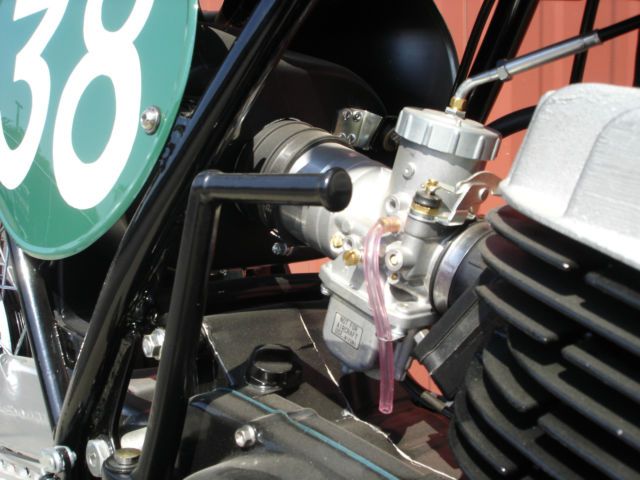
What further distinguishes the CB750F is its carbureted fuel delivery system, which, while less efficient than today’s fuel injection, offers a mechanical simplicity that users often find purer and more connected. The auditory experience complements this mechanical purity—a rasping exhaust note that feels like an anthem to the muscle bike ethos, unvarnished and unapologetic in its presentation.
But is the CB750F truly the last of the muscle bikes? To answer this, one must venture beyond engine specs and appreciate the cultural and engineering context. Muscle bikes traditionally fused raw power with accessible controls, offering a punchy performance without the often daunting quirks of high-strung racing machines. They were street warriors—beasts tamed enough for everyday use but primed to unleash fury when demanded.
The CB750F retained this ethos more faithfully than many contemporaries, bridging the gap between ferocity and usability. Its chassis was robust and responsive, striking a balance that allowed riders to exploit its muscle without requiring concessions in handling or comfort. Features such as twin disc brakes on the front wheels and refinements in suspension set it apart, offering performance-bred safety rare for muscle-oriented motorcycles of the time.
Yet, the encroaching wave of technological progress cast long shadows over the muscle bike paradigm. The injection of electronics, aerodynamic bodywork, and frame designs prioritizing weight savings and precision began to reshape the sportbike identity into something cooler, more clinical, and less visceral. The CB750F, with its analog charm and physical heft, arguably represents the last bastion of the muscle bike’s hedonistic philosophy before the era of electronic aids and aggressive featherweight constructions took hold.
Of course, muscle bikes didn’t vanish overnight, and contemporary models often pay homage to this heritage. Modern retro-styled motorcycles attempt to recapture the rawness and bold aesthetic language of machines like the CB750F. However, these often come paired with cutting-edge technology that subtly detracts from the unfiltered intensity the CB750F delivered without compromise. It hangs in a liminal space where nostalgia meets innovation, defying simple categorization.
This nuanced position forces enthusiasts and historians to reevaluate definitions. If muscle bikes are about unadulterated power woven seamlessly into daily usability with unmistakable character, then the 1980 Honda CB750F Super Sport undoubtedly stakes a claim. Its intoxicating blend of force, control, and analog authenticity offers an experience that no purely modern machine, no matter how technologically advanced, can fully replicate.
In the final analysis, the CB750F embodies a transitional nexus—a motorcycle that marks the end of an era while subtly hinting at the evolution to come. Its legacy lies not merely in its horsepower figures or top speed statistics but in its defiant attitude, standing tall amid shifting trends and ensuring the spirit of the muscle bike endured, even as the industry marched inexorably forward.
So, could it be that the 1980 Honda CB750F Super Sport is the last true muscle bike? The answer depends on perspective. It might not be the final muscle bike chronologically, but it certainly represents the last expression of the muscle bike ethos before the sportbike renaissance dramatically altered what riders expected and demanded. For those who seek the raw pulse of a machine untamed by modern artifice, the CB750F remains a potent symbol—a mechanical symphony of power, purpose, and personality that refuses to be relegated to history without a fight.