Rolling down the highway on a motorcycle is akin to whispering secrets to the wind, and the 1993 Suzuki Intruder 800 is a timeless confidant in this intimate dialogue. This classic cruiser, with its robust demeanor and stealthy silhouette, embodies the spirit of an era where motorcycles were not merely modes of transportation but chariots of freedom and self-expression. Like a seasoned storyteller, the Intruder 800 unspools tales of craftsmanship, power, and elegance that resonate deeply with enthusiasts and casual observers alike.
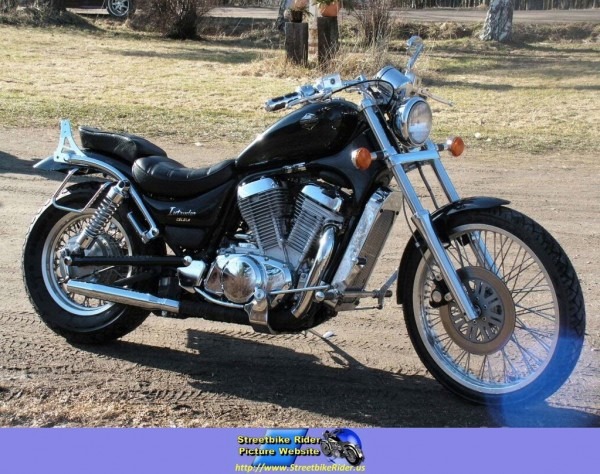
The 1993 Suzuki Intruder 800 is no ordinary machine; it stands as a paragon of Japanese engineering meeting the soulful aesthetics of American cruisers. The bike’s design evokes the nostalgic glamour of the ’90s ride culture, blending muscular contours with polished chrome accents. It does not shout for attention but commands it with quiet authority, like a well-tailored suit at a gathering of casual attire. This cruiser is more than metal and mechanics—it is a tactile extension of the rider’s persona, a four-wheeled sculpture captured in two wheels.
At its heart lies the potent 805cc V-twin engine, a mechanical beast cloaked in smooth refinement. This powerplant is a symphony of precision, delivering a measured yet thrilling surge of torque that is both immediate and elegantly restrained. The V-twin configuration offers a unique throbbing rhythm, a mechanical heartbeat that syncs with the rider’s own pulse. Unlike the frenzied roar of some sportbikes, the Intruder’s growl is a mature bass note—commanding, deep, and utterly captivating.
Performance-wise, the Intruder 800 is a balanced marvel. Its engine expends energy with remarkable efficiency for its class, responding to throttle inputs with a predictable grace that makes it approachable for both novice and seasoned riders. The chassis is reassuringly sturdy, with a low-slung frame that anatomizes cruiser comfort without compromising agility. Maneuvering the Intruder through winding roads feels like piloting a ship through gentle waves, each turn and lean executed with harmonious fluidity.
But it is not merely the mechanical prowess that sets the Intruder 800 apart—it is the visceral experience it imparts. Sitting astride the cruiser, one is cocooned in a blend of comfort and control, seated low yet commanding a commanding view of the world. The wide handlebars invite relaxed cruising, while the carefully calibrated suspension absorbs the rough whispers of the asphalt, transforming potentially jarring vibrations into a tactile caress. It is a machine that invites lingering journeys and spontaneous detours alike.
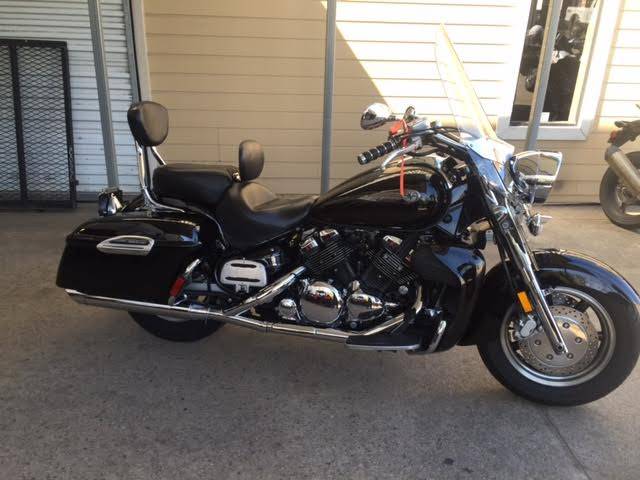
Visually, the Intruder 800 is a masterclass in subtle opulence. The gleaming chrome juxtaposed with deep, lustrous paintwork offers an eye-catching contrast that changes with the light—sometimes regal, sometimes rebellious. The elongated fuel tank, with its sculpted curves, seems to flow seamlessly into the seat, creating an unbroken line that emphasizes motion even at rest. Classic round headlamps punctuate the front, casting a reassuring beacon in twilight rides or early morning escapes.
Ergonomics remain a focal point of the 1993 Intruder 800’s design philosophy. The rider’s position is thoughtfully balanced, avoiding the extremes of either aggressive sport posture or overly relaxed cruiser slouch. This equilibrium enhances endurance, making long-distance travel not a trial but an indulgence. Additionally, the foot pegs are positioned to allow a natural bend in the knees, eliminating fatigue and enabling riders to remain vigilant and connected to the machine.
The Intruder 800’s appeal is also deeply rooted in its cultural resonance. Emerging during a time when cruiser motorcycles were gaining clout among American riders, Suzuki managed to create a bike that could rival the traditional giants while maintaining a distinctive voice. It was an invitation to tangential exploration of identity—rider and machine in a synchronized dance of rebellion and tradition. The bike encapsulated a period when motorcycles were as much about lifestyle as they were about speed.
Customization potential adds another layer to the Intruder’s enduring charm. Its chassis and engine design allow for a wide range of modifications without compromising structural integrity or ride quality. From the addition of sissy bars and leather saddlebags to enhanced exhaust systems and bespoke paint jobs, the Intruder 800 transforms into a blank canvas waiting for personal autographs. This adaptability has cemented its status as a favorite among collectors and riders who relish the personal imprint that custom bikes provide.
It’s worth noting that the Intruder 800 also boasts a practical pedigree. The fuel economy hovers impressively above many of its contemporaries, allowing for longer stretches between fill-ups, while maintenance remains straightforward thanks to Suzuki’s design choices prioritizing accessibility. This balance of elegance and pragmatism means the Intruder is as compatible with daily commuting as it is with weekend escapades.
In an age where motorcycles sometimes lean toward the extremes of technological complexity or stripped-down minimalism, the 1993 Suzuki Intruder 800 occupies a sophisticated middle ground. It is an artifact of a time when motorcycles blended analog intimacy with mechanical reliability, a relic that nonetheless offers riders an immersive sensory dialogue. Its rhythmic engine pulse, combined with its iconic silhouette, crafts an experience that is both meditative and exhilarating—a rolling poem whispered through chrome and rubber.
Ultimately, the 1993 Suzuki Intruder 800 is more than just a cruiser; it is a timeless invitation to savor the open road in its purest form. It is the tactile equivalent of sipping fine whiskey—smooth, potent, and lingering long after the ride has ended. Every curve and every growl narrates a story not just of a machine, but of freedom, heritage, and the enduring relationship between rider and road. It remains a compelling testament to the art of motorcycle design, a classic cruiser that continues to inspire reverence and admiration decades after it first graced the asphalt.