The Black Widow OCC Bike isn’t just a machine—it’s a siren’s call to the open road, a whisper of danger wrapped in the sleek silhouette of raw power. This isn’t a bicycle; it’s a statement, a rebellion against the mundane, a two-wheeled temptress that lures riders into its orbit with promises of speed, style, and unbridled freedom. To ride the Black Widow is to dance on the edge of exhilaration, where every pedal stroke hums with the potential to break away from the ordinary and embrace the extraordinary.
The Allure of the Black Widow: A Machine Born of Shadows
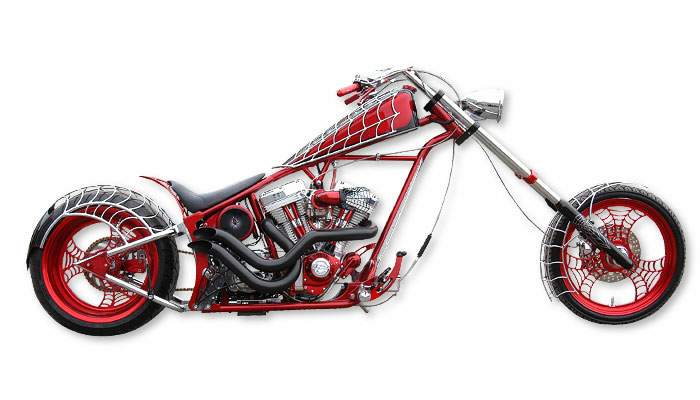
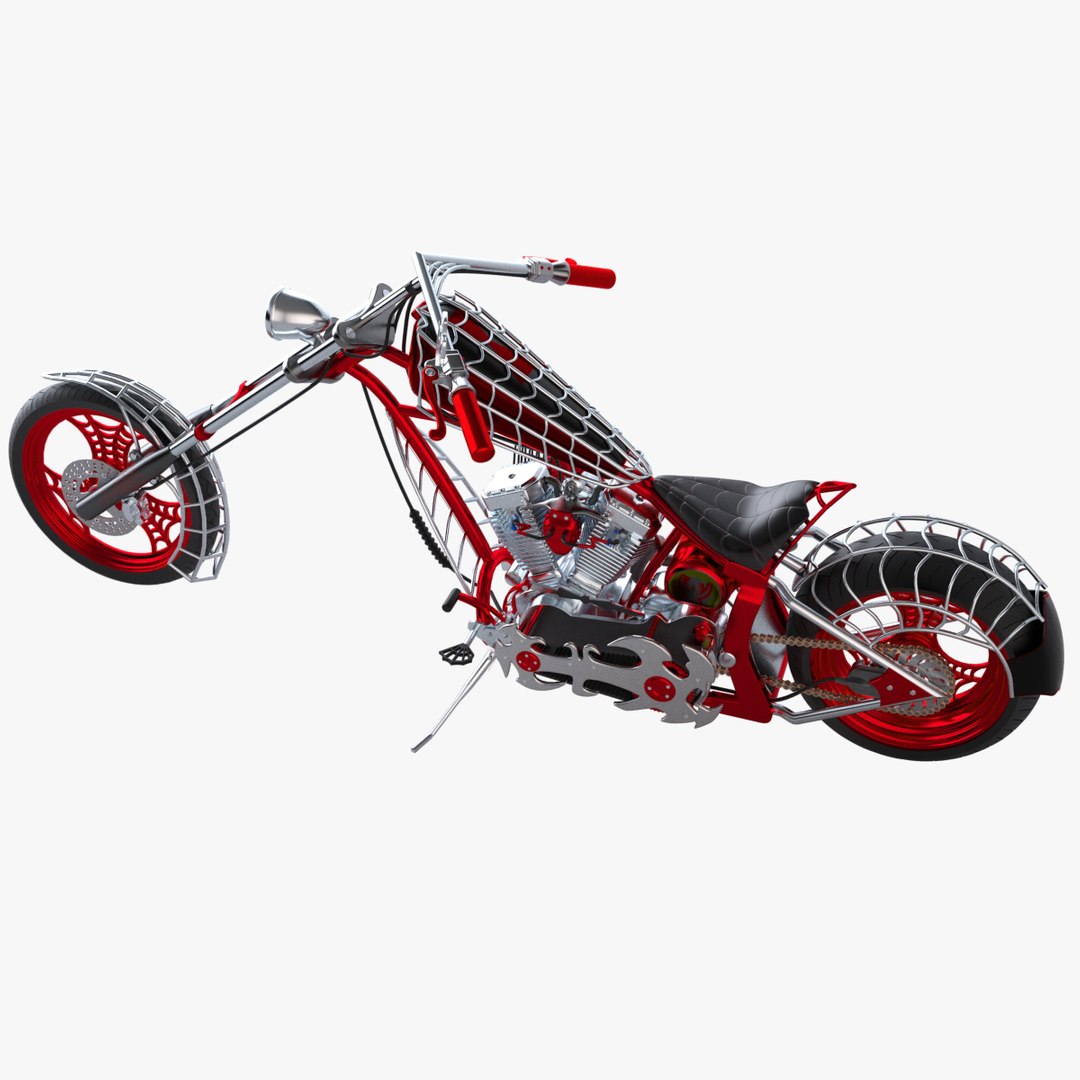
There’s something inherently magnetic about the Black Widow OCC Bike—a machine that doesn’t just stand out but *commands* attention. Its name alone evokes images of the spider’s venomous bite, a silent strike that leaves its mark. This bike, cloaked in darkness with accents of crimson or electric blue, is designed to haunt the streets like a specter, its presence both intimidating and alluring. The frame, forged from aerospace-grade aluminum or carbon fiber, is a study in precision, its geometry engineered to slice through the air with the grace of a blade. Every curve, every weld, every bolt is a testament to a philosophy: speed isn’t just a feature; it’s an obsession.
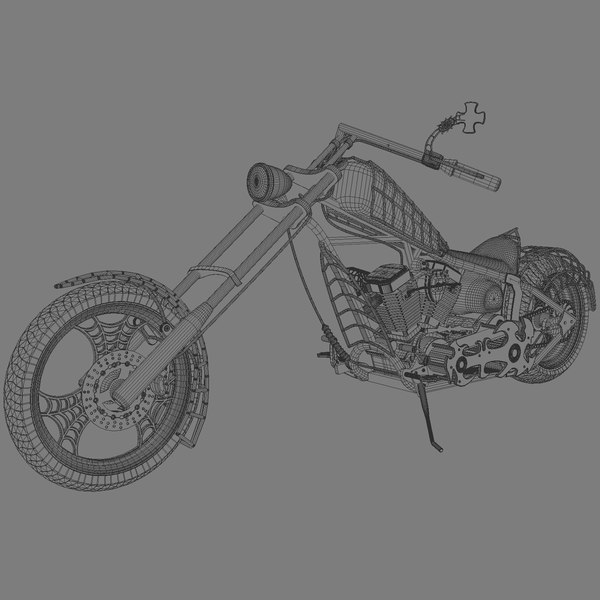
The Anatomy of a Predator: Components That Define Dominance
To understand the Black Widow’s prowess, one must dissect its anatomy, where each component is a cog in a machine designed to outpace the wind itself. The drivetrain, often a Shimano or SRAM groupset, is a symphony of gears and chains, each shift a note in a high-speed overture. The wheels, clad in deep-section carbon rims, are the eyes of this predator—narrow, focused, and relentless. They grip the asphalt like claws, transferring every ounce of pedal power into forward motion.
The handlebars, wrapped in grippy, textured tape, are the Black Widow’s antennae, sensing the road’s every imperfection. The saddle, a sculpted throne of comfort and performance, cradles the rider in a way that feels less like sitting and more like merging with the machine. Even the pedals, whether clipless or platform, are designed to ensure no energy is wasted—every push is a strike, every pull a recovery, all in service of the relentless pursuit of velocity.
Riding the Edge: The Experience of the Black Widow
To ride the Black Widow is to flirt with danger. There’s a visceral thrill in the way it responds to the slightest input, as if the bike itself is alive, eager to obey—or betray—your commands. The first time you clip into the pedals and feel the immediate responsiveness, it’s like awakening a dormant beast. The acceleration is brutal, a sudden surge that pins you to the saddle, while the braking is surgical, a precise halt that leaves no room for hesitation.
The road becomes a stage, and the Black Widow, your co-star. On winding descents, it feels like flying, the wind screaming past your ears as the bike leans into each turn with a confidence that borders on arrogance. On long, straight stretches, it’s a missile, slicing through the air with minimal effort, as if the laws of physics have been rewritten just for you. But beware—the Black Widow doesn’t forgive mistakes. A misjudged corner, a hesitation in the sprint, and suddenly, you’re reminded that this machine demands respect.
Style as Substance: The Aesthetic of Intimidation
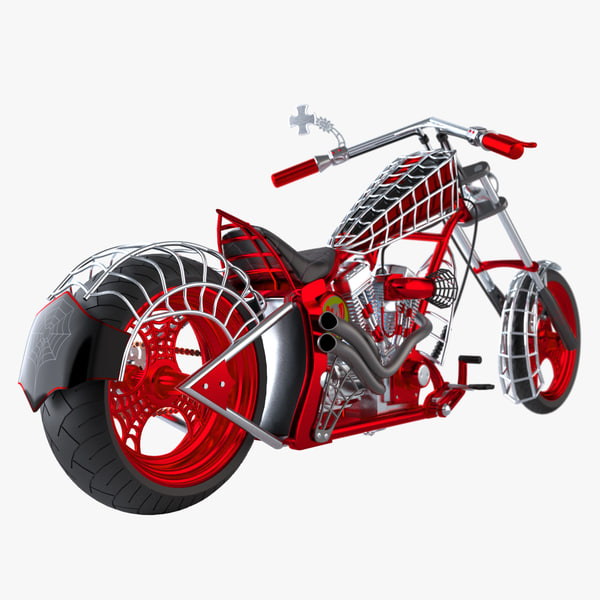
The Black Widow OCC Bike isn’t just about performance; it’s a work of art, a rolling sculpture that commands attention even when stationary. Its aesthetic is a study in contrasts—matte black finishes that absorb light, offset by accents of neon or metallic hues that catch the eye like a blade catching the sun. The decals, often minimalist and understated, are placed with the precision of a sniper’s shot, ensuring they’re seen without overwhelming the bike’s lines.
Even the smallest details are intentional. The dropouts, the seatpost clamp, the cable routing—all are designed to enhance both form and function. The result is a bike that doesn’t just look fast; it *feels* fast. It’s the kind of machine that turns heads in a parking lot, that makes passersby pause mid-step to admire its lines. It’s not just a bike; it’s a conversation starter, a status symbol, a declaration of intent.
The Black Widow in the Wild: Where It Thrives and Where It Dominates
The Black Widow OCC Bike isn’t a machine for the faint of heart or the casual rider. It thrives in the hands of those who see cycling not as a hobby, but as a way of life—a pursuit of speed, of challenge, of pushing boundaries. It’s at home on the open road, where its aerodynamics shine, or on the velodrome, where its stiffness and responsiveness turn every lap into a duel against the clock.
But the Black Widow isn’t just a track star or a time trial specialist. It’s a chameleon, adapting to the rider’s needs. On group rides, it’s the bike that pulls away effortlessly, leaving the pack in its wake. On solo adventures, it’s the companion that turns a mundane commute into a high-speed chase. And in the hands of a skilled rider, it becomes a tool of dominance, a way to assert control over the road and the elements.
Beyond the Bike: The Community of the Black Widow
Owning a Black Widow OCC Bike isn’t just about the machine itself; it’s about joining a tribe. The riders who choose this bike are a rare breed—passionate, competitive, and unapologetically bold. They share a language of watts and cadence, of gear ratios and aerodynamics. They gather at group rides, where the Black Widow becomes a symbol of camaraderie and shared obsession. They swap stories of epic climbs, of heart-pounding descents, of the thrill of outpacing the wind.
This community is as much a part of the Black Widow’s appeal as the bike itself. It’s a network of enthusiasts who understand the allure of speed, the beauty of precision, and the unspoken bond that comes from riding a machine that’s as much a part of you as your own shadow. To own a Black Widow is to be part of something larger—a brotherhood (and sisterhood) of riders who refuse to settle for anything less than extraordinary.
The Future of the Black Widow: Evolution or Extinction?
As cycling technology advances, the Black Widow OCC Bike faces a crossroads. Will it evolve, adapting to new materials and aerodynamics, or will it remain a relic of a bygone era, a machine frozen in time? The answer lies in the hands of its creators and its riders. If the Black Widow is to survive, it must continue to innovate, to push the boundaries of what’s possible. It must remain a symbol of speed, of style, of the relentless pursuit of perfection.
But even if it doesn’t change, even if it stays exactly as it is, the Black Widow will always have a place in the pantheon of iconic bikes. Because some machines aren’t just tools; they’re legends. And the Black Widow OCC Bike? It’s a legend in the making.