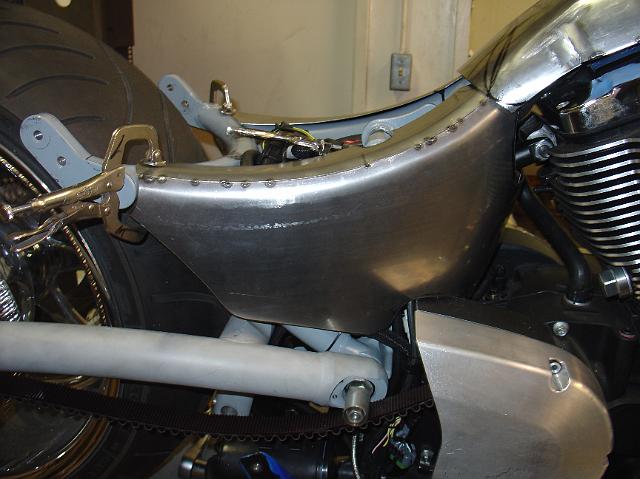
Ever revved up your chopper’s engine, only to be met with a stubborn silence? A dead short in your wiring can turn even the most thrilling ride into a frustrating puzzle. But fear not—diagnosing a dead short doesn’t have to feel like deciphering an ancient cipher. With the right approach, you can untangle the mess and get back to the open road in no time.
What Exactly Is a Dead Short—and Why Does It Hate Your Chopper?
A dead short, in the world of motorcycle wiring, is like an uninvited guest crashing your electrical party. It occurs when a hot wire (carrying current) makes direct contact with a ground wire or chassis, creating a low-resistance path that siphons power away from where it’s needed. The result? Flickering lights, a lifeless starter motor, or even a battery that drains faster than a thief in a neon-lit alley.
Unlike a simple open circuit—where the path is broken—a dead short is a sneaky saboteur. It doesn’t just stop the flow; it hijacks it, sending current on a wild detour. And the worst part? It might not even leave a smoking gun. Your wires could look pristine, but beneath the surface, chaos is brewing.
The Tell-Tale Signs: How to Spot a Dead Short Before It Strikes
Before diving into diagnostics, arm yourself with the symptoms of a dead short. The first clue is often a blown fuse—repeatedly. If you’re replacing fuses like they’re going out of style, your wiring might be throwing a tantrum. Other red flags include:
- Dim or flickering lights: Even when the engine’s off, your headlight or gauge cluster might pulse like a disco ball.
- Burning smells: A whiff of melted plastic or ozone is never a good sign—it’s your wiring’s way of screaming for help.
- Hot wires: Touch a suspect wire (carefully!) and if it’s warmer than a summer sidewalk, it’s likely carrying too much current.
- Intermittent power loss: Sometimes the bike starts, sometimes it doesn’t—like a moody teenager with a dead phone.
If any of these symptoms sound familiar, it’s time to play detective.
Gear Up: Tools You’ll Need to Tame the Electrical Beast
Diagnosing a dead short isn’t a job for bare hands and hope. You’ll need a few trusty tools to navigate the labyrinth of wires without getting zapped:
- Multimeter: The Swiss Army knife of electrical diagnostics. Set it to ohms (Ω) to test continuity or volts (V) to check for voltage drops.
- Test light: A simple but effective way to trace power without risking a multimeter’s precision.
- Fuse puller: Because wrestling a fuse out with your fingers is a recipe for frustration.
- Wire strippers and crimpers: For repairing or replacing damaged sections.
- Insulated gloves: Safety first—even if you’re just poking around.
With these tools in your arsenal, you’re ready to hunt down the culprit.
Step-by-Step: Hunting Down the Culprit in Your Chopper’s Wiring
Now, the moment of truth. Start by disconnecting the battery to prevent any accidental shorts during your investigation. Then, follow these steps:
1. Inspect the Obvious: The Low-Hanging Fruit
Before diving into the wiring harness, check the easy targets:
- Fuses: Swap them out for known-good ones. If the new fuse blows immediately, the short is still lurking.
- Battery terminals: Corrosion or loose connections can mimic a short. Clean them with a wire brush if needed.
- Ground connections: A poor ground can cause voltage to take a detour. Ensure all grounds are tight and corrosion-free.
2. The Multimeter Dance: Testing for Continuity
Set your multimeter to ohms and start probing. Here’s how:
- Isolate the circuit: Disconnect components one by one to narrow down the short’s location.
- Test for continuity: Touch one probe to the hot wire and the other to the chassis. If the meter beeps or shows near-zero ohms, you’ve found your short.
- Trace the path: Follow the wire’s route, checking for abrasions, pinched sections, or melted insulation where the short might be hiding.
3. The Visual Sweep: Hunting for Hidden Saboteurs
Sometimes, the short isn’t electrical—it’s mechanical. Wires can chafe against sharp edges, rub against moving parts, or get pinched by a loose bolt. Inspect your chopper’s wiring harness like a detective examining a crime scene:
- Look for abrasions: Anywhere a wire scrapes against metal or another wire is a potential short.
- Check for melted insulation: Heat discoloration or brittle plastic is a dead giveaway.
- Follow the harness: Wires can shift over time. A section that was safe yesterday might be a hazard today.
Repair or Replace? Deciding the Fate of Your Wires
Once you’ve pinpointed the short, it’s time to decide: repair or replace? If the damage is minor—a small nick in the insulation—you can often fix it with heat-shrink tubing or electrical tape. But if the wire is frayed, melted, or corroded beyond repair, it’s time for a replacement.
When splicing in new wire, use the same gauge as the original to maintain proper current flow. And don’t forget to secure the harness with zip ties or clamps to prevent future mischief. A well-organized wire run is a happy wire run.
Prevention: Keeping Your Chopper’s Wiring in Tip-Top Shape
An ounce of prevention is worth a pound of blown fuses. To keep your chopper’s wiring in fighting shape:
- Regular inspections: Check your wiring harness every few months, especially after long rides or off-road adventures.
- Protective measures: Use spiral wrap or convoluted tubing to shield wires from abrasion.
- Secure routing: Ensure wires aren’t dangling near moving parts or sharp edges.
- Dielectric grease: Apply it to connections to prevent corrosion and moisture intrusion.
Think of it like giving your chopper a yearly check-up—just without the awkward small talk with the mechanic.
Final Thoughts: When to Call in the Cavalry
While diagnosing a dead short is often a DIY-friendly task, some cases are best left to the pros. If you’ve followed every step and still can’t find the culprit, or if the wiring harness is severely damaged, it might be time to consult an electrician or motorcycle specialist. There’s no shame in waving the white flag—some battles aren’t worth fighting alone.
So, the next time your chopper sputters to a halt, don’t let the dead short win. Arm yourself with patience, the right tools, and a dash of determination. After all, every great ride starts with a little troubleshooting—and ends with the wind in your face.