Can a motorcycle from the dawn of the 1980s still captivate the modern enthusiast, or does its legendary status merely rest on nostalgic laurels? The 1981 Yamaha XS1100 challenges that very notion, boldly asking riders and collectors alike if true heavyweight charisma can endure beyond its era. This iconic machine, often heralded as a paragon of inline four-cylinder engineering, remains a compelling blend of brute strength, mechanical ingenuity, and timeless style.
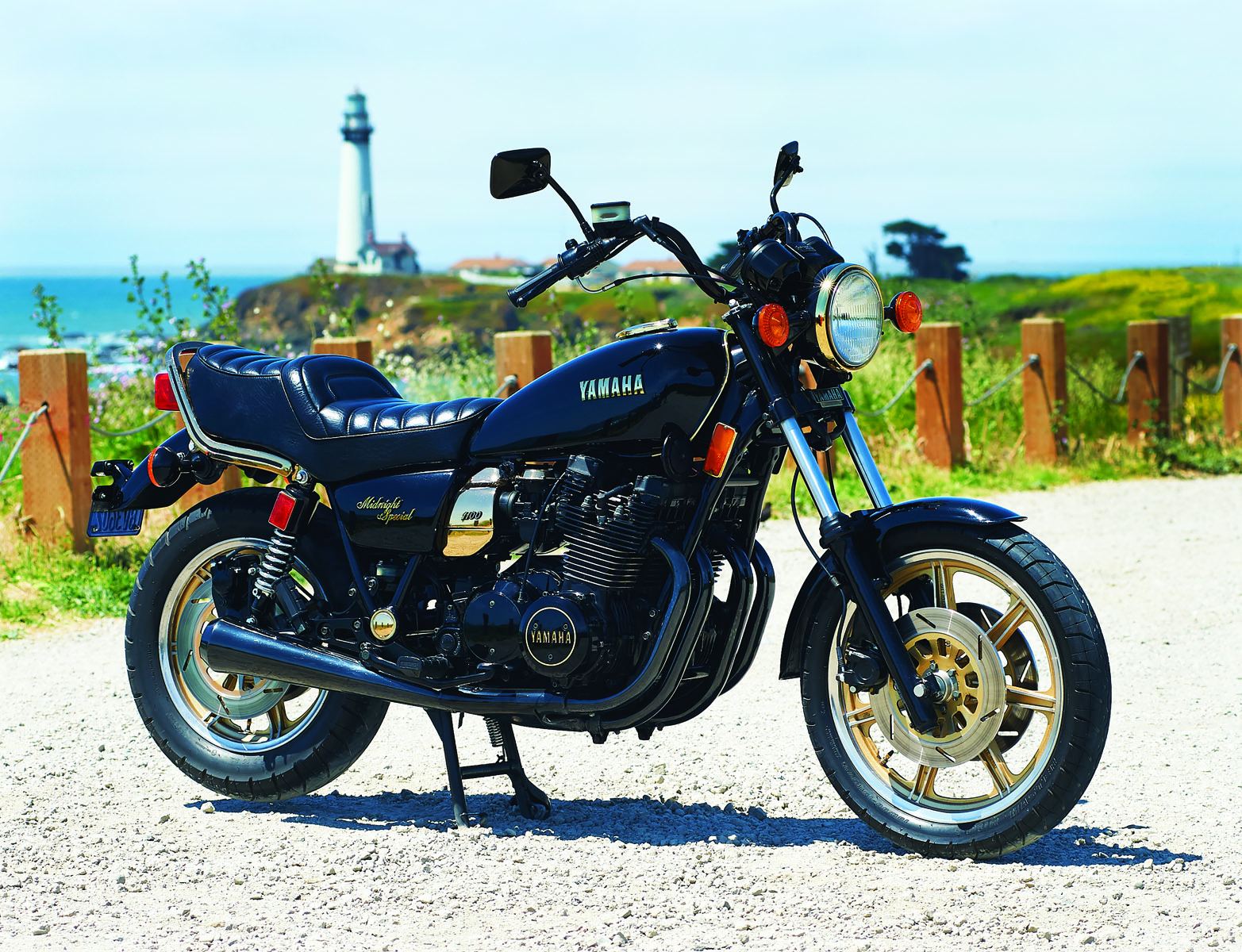
At its core, the 1981 Yamaha XS1100 stands as a testament to the motorcycle engineering prowess of its time. Unveiled in the late 1970s, the XS1100 quickly earned its stripes as Yamaha’s flagship superbike, sporting a robust air-cooled, 1101cc inline-four engine. Its sheer physical presence—an amalgamation of weighty heft and imposing dimensions—instantly communicated power and substance to onlookers. But beneath this seemingly bulky exterior lies a symphony of engineering details that underscore Yamaha’s ambition to marry performance with reliability.
The XS1100’s engine configuration showcases an ingenious design for the period: a shaft drive coupled with a horizontally split crankcase, contributing to durability and simplified maintenance. The inline-four’s bore and stroke ratio delivers a broad torque curve—something that invites both street riders and long-distance cruisers to revel in its versatility. Peak horsepower, approximately 95 at just under 9,000 rpm, facilitated brisk acceleration, while the street-friendly midrange torque ensured seamless throttle response in everyday riding conditions. In other words, this wasn’t merely brute strength on parade; it was a well-balanced powerhouse designed for engagement.
Yet, does the XS1100’s substantial weight—hovering around 600 pounds—pose a challenge for maneuverability, especially in urban environments? Indeed, some riders might balk at the initially unwieldy heft, but the machine’s chassis design tells a different story. Featuring a robust tubular steel frame, the XS1100 offered surprising rigidity and stability, translating to competent handling despite its mass. Yamaha’s suspension system, composed of telescopic front forks and dual rear shocks, provides a plush yet controlled ride over uneven surfaces. While not nimble in the manner of contemporary sportbikes, the XS1100 excels in delivering confidence on straights and steady corners, rewarding those with patience and respect for its character.
Another highlight lies in the bike’s aesthetic form, a harmonious balance between utilitarian function and flamboyant expression. The styling cues—a relatively minimalist yet muscular tank, squat seating position, and chrome accents—evoke the classic roadster ethos. The large, round headlamp and twin instrument cluster reinforce this image, fusing practicality with vintage flair. Ergonomics are straightforward, featuring a moderate rider triangle that appeals to a broad range of body types, fostering comfort on long rides without sacrificing connection to the machine. It evokes a feeling akin to commanding a venerable heavyweight pugilist, steady and assured rather than jittery or overly aggressive.
Where the XS1100 particularly shines is its cultural and historical significance within the motorcycle landscape. Arriving during a period dominated by a burgeoning Japanese motorcycle industry, Yamaha positioned the XS1100 at the pinnacle of their lineup to rival the likes of the Honda CB750 and Kawasaki Z1. This bike encapsulated the spirit of evolution: moving from raw muscle machines towards more refined, capable road warriors. The 1981 iteration, in particular, features refinements such as updated carburetors for smoother fuelling and slight suspension tweaks to enhance ride quality. These enhancements, modest as they might seem, reflect Yamaha’s ongoing commitment to engineering excellence within the heavyweight segment.
However, such a formidable machine is not without its quirks. Maintenance demands, given the era’s technological limitations, require a degree of mechanical literacy and patience. Carburetor synchronization, shaft drive upkeep, and valve adjustments are tasks that today’s casual rider might find daunting. Yet, this technical engagement forms part of the XS1100’s allure—a mechanical communion rarely experienced in the age of ride-by-wire electronics and sealed maintenance intervals. Ownership transcends mere possession; it becomes an active dialogue between rider and machine.
When evaluating the 1981 Yamaha XS1100 in a contemporary context, one might question its relevance amidst a plethora of lightweight, technologically advanced motorcycles. But often, its appeal lies precisely in what it lacks: unnecessary electronic frippery, digital distractions, or an obsession with lap times. This motorcycle demands respect through its analog character, inviting riders to savor the visceral sensations—the growl of the inline four, the tactile feedback from its controls, and the grounded stability as it carves a path down open roads. It is a machine that challenges modern perceptions of what a “performance motorcycle” must be.
In a world increasingly dominated by rapid innovation and instantaneous gratification, the 1981 Yamaha XS1100 offers a compelling counterpoint. It asks, with playful audacity, whether enduring design and thoughtful engineering can outlast the fleeting sheen of novelty. For the collector, the enthusiast, or the curious rider willing to embrace its idiosyncrasies, the XS1100 becomes more than a motorcycle—it is a rolling chronicle of a pivotal moment in motorcycling history, a heavyweight legend whose story reverberates across decades.
Ultimately, the 1981 Yamaha XS1100 isn’t just a relic to be admired from afar. It presents a challenge: can today’s rider unlock its latent greatness? Will they appreciate the subtle artistry woven into its mechanical fabric? For those willing to accept this gauntlet, the reward is a partnership with a motorcycle that embodies resilience, character, and an unyielding spirit. This heavyweight legend continues to roar, proving that some icons defy both time and trend.