The OCC Spyder Episode isn’t just another blip on the radar of automotive lore—it’s a full-throttle saga of engineering audacity, cultural collision, and the kind of controversy that leaves enthusiasts revving their engines in debate. This isn’t merely about a three-wheeled motorcycle; it’s about the audacious vision of a company that dared to redefine what a motorcycle could be, and the backlash that followed like a rogue exhaust note in a quiet neighborhood. From the drawing board to the courtroom, the Spyder F3 became a lightning rod for passion, skepticism, and innovation. Buckle up, because we’re about to dissect this mechanical marvel and the storm it stirred.
The Birth of a Revolution: Engineering an Unconventional Dream
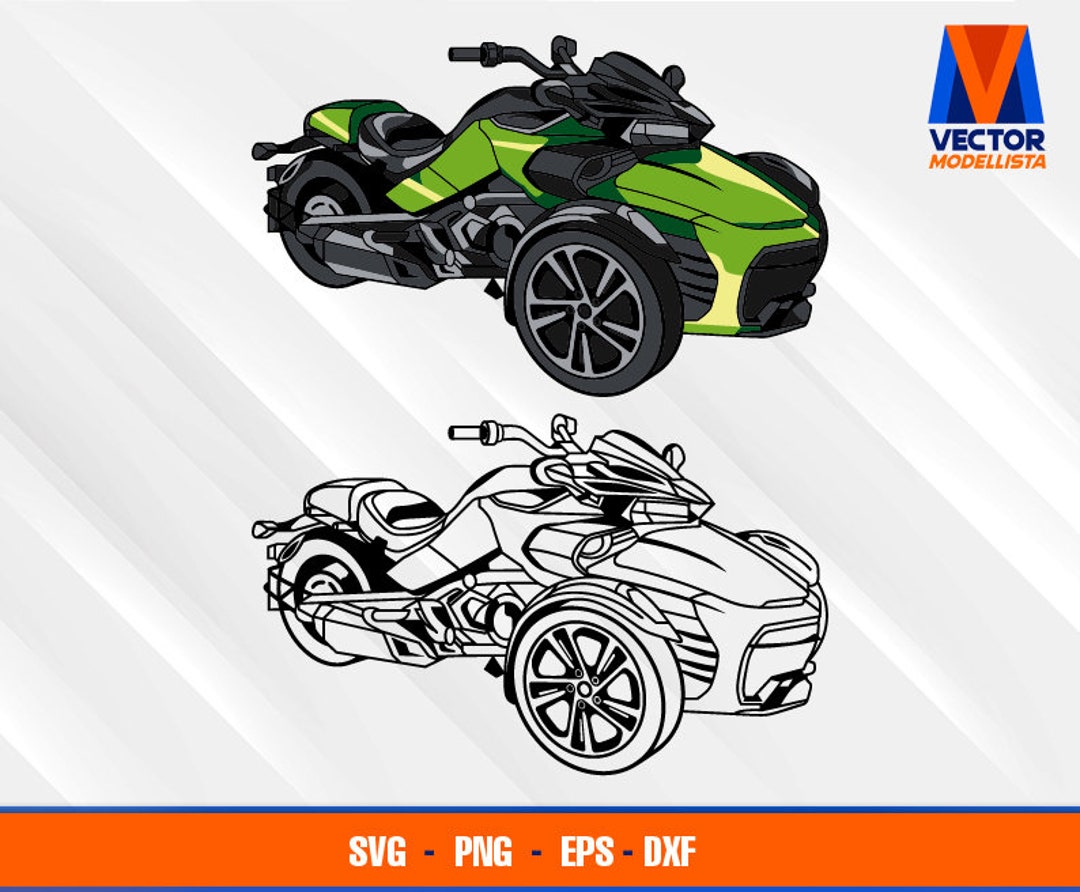
The Spyder F3 wasn’t born from tradition—it was forged in defiance. While the world of motorcycling has long been dominated by the iconic two-wheelers, the team at OCC envisioned something radically different: a three-wheeled machine that blended the agility of a motorcycle with the stability of a car. The result? A vehicle that looked like it had teleported from a sci-fi flick into reality, with a low-slung chassis, a front-end reminiscent of a futuristic fighter jet, and a powertrain that promised both thrills and reliability. The engineering behind it was nothing short of herculean—balancing weight distribution, optimizing aerodynamics, and ensuring that the Spyder didn’t just look like the future, but *drove* like it too. The EPS (Electronic Power Steering) system was a game-changer, offering a level of control that made the Spyder feel like it was reading the rider’s mind. But with great innovation comes great scrutiny, and soon, the whispers began: *Was this really a motorcycle, or just a glorified trike?*
Controversy on Two Wheels: The Great Motorcycle Identity Crisis
The Spyder F3 didn’t just push boundaries—it bulldozed them, and in doing so, it ignited a firestorm of debate that still smolders today. Purists argued that a true motorcycle must have two wheels, period. The Spyder, with its third wheel and car-like seating position, was seen as an imposter—a “moto-car” that diluted the essence of what it meant to ride. Insurance companies, governments, and licensing bodies scrambled to classify it, with some jurisdictions treating it as a motorcycle and others as a car. The legal limbo was a nightmare for owners, who found themselves navigating a patchwork of regulations that varied by state, country, and even county. But the controversy wasn’t just bureaucratic—it was philosophical. Was the Spyder a betrayal of motorcycling’s soul, or was it the evolution the industry desperately needed? Riders who fell in love with its handling and comfort found themselves defending their choice against naysayers who dismissed it as a novelty. The Spyder became a symbol of the eternal tension between tradition and progress, a three-wheeled Trojan horse that forced the world to question what a motorcycle *really* is.
From the Road to the Screen: The Spyder’s Pop Culture Cameo
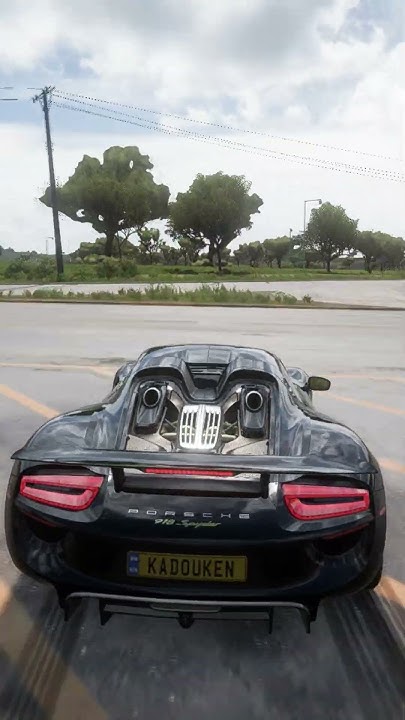
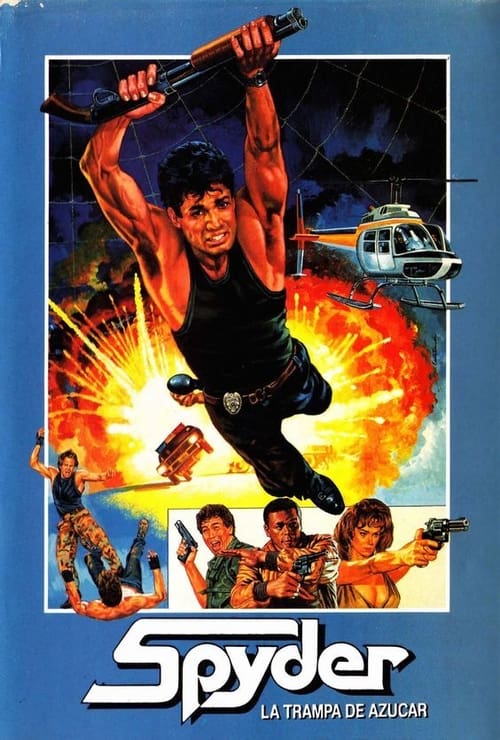
While the Spyder was stirring up controversy on the streets, it was also making waves in an entirely different arena: the world of entertainment. The vehicle’s striking design and unconventional nature made it a natural fit for film, television, and even video games. Directors and producers saw in the Spyder a visual shorthand for “futuristic” or “cutting-edge,” and soon, it was appearing in everything from high-octane action sequences to subtle background cameos. The 1988 film *Spyder*, though not directly related to the OCC model, tapped into the same zeitgeist of innovation and rebellion, creating an unintentional thematic echo. Meanwhile, the Spyder’s presence in track movies and automotive documentaries cemented its status as a cultural icon, a rolling testament to the idea that the most memorable machines aren’t always the fastest or the most powerful—they’re the ones that dare to be different. For fans, seeing the Spyder on screen was a validation of their choice, a moment where their passion for the unconventional was reflected back at them in living color.
Riding the Line: The Spyder Experience for Enthusiasts and Novices Alike
What is it like to actually ride a Spyder F3? For those accustomed to the lean and balance of a traditional motorcycle, the experience is nothing short of revelatory. The Spyder’s design eliminates the need for counter-steering, making it accessible to riders who might otherwise be intimidated by the physics of two-wheeled riding. The seating position is upright and car-like, offering a level of comfort that’s rare in the world of motorcycling. But don’t mistake comfort for complacency—the Spyder is still a high-performance machine, capable of blistering acceleration and razor-sharp handling. The EPS system provides feedback that’s both intuitive and precise, making the ride feel almost telepathic. Yet, for all its user-friendly design, the Spyder isn’t without its quirks. The lack of a traditional motorcycle’s agility means that tight turns require a different approach, and the third wheel can make parking in urban areas a dance of precision. For enthusiasts, the Spyder is a playground; for novices, it’s a gateway. It’s a machine that doesn’t just transport you from point A to point B—it transforms the journey into an experience.
The Aftermath: Legacy, Lessons, and the Road Ahead
The Spyder F3’s story is far from over. In the years since its debut, the three-wheeled motorcycle market has exploded, with competitors and imitators rushing to fill the niche the Spyder helped create. The controversy it sparked has mellowed into a quiet acceptance, with many jurisdictions now recognizing three-wheelers as a distinct category. The legal battles have subsided, though the debates rage on in forums and backrooms. For OCC, the Spyder was more than a product—it was a statement, a challenge to the status quo, and a testament to the power of thinking outside the box. Today, the Spyder F3 is a collector’s item, a symbol of an era when motorcycling dared to dream bigger. Its legacy isn’t just in the machines it inspired, but in the conversations it provoked. It forced the world to ask: What is a motorcycle? And in doing so, it redefined what a motorcycle could be. The road ahead is still long, and the three-wheeled revolution is only just beginning.