The 1982 Honda CB750F Super Sport stands as an enduring icon in the pantheon of classic motorcycles. To many enthusiasts and casual observers alike, its silhouette evokes a sense of nostalgia wrapped in understated elegance. Yet, beyond its visual appeal, this motorcycle embodies a rich tapestry of engineering foresight, practical design, and a cultural resonance that continues to captivate a distinct segment of riders and collectors today. But is the 1982 Honda CB750F Super Sport still worth buying in the contemporary motorcycle landscape?
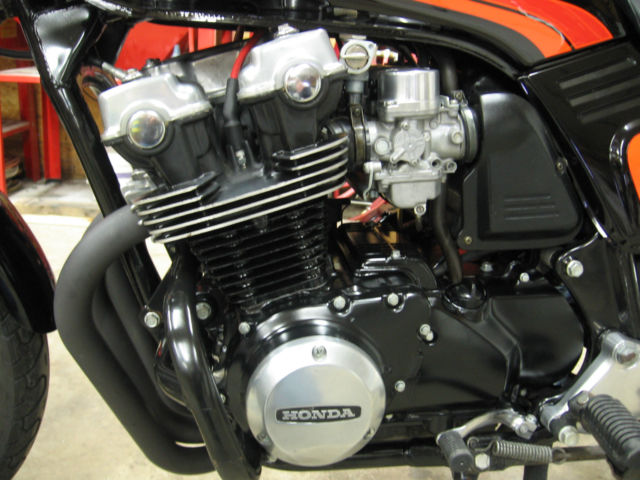
At first glance, the CB750F Super Sport might seem like a relic from a bygone era, especially when juxtaposed with the cutting-edge technology and performance benchmarks of modern superbikes. However, this perception overlooks a profound allure underpinning this model. The CB750F was born during a pivotal moment in motorcycling history—an era when manufacturers sought to balance power, reliability, and rider engagement without the excesses of today’s often electronic-reliant machines. Its classic inline-four engine was not only a technical marvel of its time but also a declaration of Honda’s commitment to delivering an accessible yet spirited riding experience.
One of the most compelling reasons the CB750F Super Sport retains its fascination is its role as a gateway motorcycle that seamlessly blends raw mechanical beauty with practical usability. Unlike the more frenzied and overtly aggressive motorcycles from the early 1980s, the CB750F exhibits a refined poise. Its 750cc engine offers a robust punch but in a smooth and linear fashion, granting riders considerable control and confidence. This balance speaks to a timeless design philosophy—one that values the interplay between man and machine rather than sheer horsepower figures alone.
Moreover, the CB750F’s chassis and suspension are meticulously crafted to provide a ride quality that remains commendable by today’s standards. The bike’s frame geometry and weight distribution lend it nimbleness and agility uncommon in larger displacement motorcycles of its era. This contributes to the enduring observation among riders: while not the fastest or most technologically advanced, the bike offers a pure, connected riding sensation that many modern motorcycles inadvertently forsake amid their electronic aids and complex systems.
Beyond mechanical considerations, the CB750F carries profound cultural and historical weight. It represents a chapter when motorcycling was transitioning from utility and simple recreation into a more diversified and passionate pastime. Owning a 1982 CB750F isn’t merely about possessing transportation; it is about inheriting a narrative embodying innovation, reliability, and the democratization of motorcycle sport. This cultural aura imbues the motorcycle with an intangible value that transcends metrics like speed or torque.
Additionally, the aesthetic dimension of the CB750F Super Sport plays an integral role in its persistent allure. Its lines are clean and deceptively simple, yet they hint at a purposeful design ethos aimed at harmonizing form and function. The subtle curves of the fuel tank, the minimalistic yet purposeful fairing, and the chrome accents collectively articulate a style that is neither ostentatious nor dull—rather, it strikes a chord of restrained sophistication. For collectors and riders alike, this aesthetic is not merely a superficial attribute but an expression of the motorcycle’s identity and heritage.
When considering a purchase, it is essential to weigh the practical implications of owning a 1982 CB750F Super Sport today. Parts availability is one domain where this bike continues to impress. Thanks to its popularity and the extensive support from aftermarket communities, finding components—whether original or replicated—is relatively straightforward. This accessibility greatly alleviates common hurdles associated with older motorcycles, making ownership more viable and less daunting for newcomers to vintage biking.
However, buyers must remain cognizant of the maintenance demands inherent in any classic motorcycle. While the CB750F boasts solid reliability for its age, the mechanical simplicity that makes it charming also means that owners should be prepared for regular upkeep and the tactile experience of hands-on maintenance. This engagement often amplifies the bond between rider and machine but might intimidate those accustomed to the more maintenance-light ownership paradigms of modern sportbikes.
Another facet worthy of contemplation is the ride experience itself. The lack of contemporary electronic aids—traction control, ABS, ride modes—places the onus squarely on the rider’s skill and situational awareness. For purists, this is precisely where the CB750F shines. It demands respect, hones rider intuitiveness, and offers a rewarding challenge that modern motorcycles may dilute. Conversely, this can be perceived as a disadvantage for riders seeking comfort and the latest safety advancements.
From an investment perspective, the CB750F Super Sport has displayed a gradual appreciation in value, particularly with well-maintained and original-condition specimens. The motorcycle’s historical significance and stylistic appeal have entrenched it within the classic motorcycle market as a desirable collectible. Those who acquire a CB750F today often do so with an eye toward preserving a piece of motorcycling history that resonates on multiple levels—from engineering and design to cultural zeitgeist.
In summation, the 1982 Honda CB750F Super Sport remains a compelling motorcycle worth considering in the contemporary market. Its synthesis of mechanical purity, elegant design, and cultural richness crafts an experience far removed from the rapid homogenization seen in modern motorbikes. While it may not compete with today’s machines in raw performance or technological sophistication, it offers an authentic connection to the roots of sport motorcycling that many find increasingly elusive.
For riders and collectors drawn to the charm of classic motorcycles, the Honda CB750F Super Sport is more than just a machine; it is an enduring symbol of an era that celebrated simplicity, rider engagement, and style. Owning one today promises not only a unique riding experience but also an opportunity to partake in a living heritage—a testament to why fascination with this 1982 classic persists, decades after its inception.