The late 1980s and early 1990s marked a pivotal era for sport motorcycles, particularly in the realm of entry-level and mid-tier performance bikes. Among the notable contenders, the 1989–1990 Kawasaki Ninja 250 and 600 models emerged as defining representatives of their classes, capturing the fascination of both beginner riders and seasoned riders looking for a blend of agility and power. While both motorcycles share the iconic Ninja lineage, they embody distinctly different philosophies and design intentions. This comparison explores the nuances that separate the lightweight, approachable 250cc from the more formidable, muscle-oriented 600cc, crafting an understanding of which bike suits different rider profiles—from novice novices seeking confidence to adrenaline hunters wanting a beastly ride.
At the heart of the discussion lies the dichotomy between the Kawasaki Ninja 250 and its larger sibling, the Ninja 600. The former is revered for its nimbleness, user-friendly dimensions, and manageable power output, making it an archetypal beginner motorcycle. The latter, in contrast, boasts a more aggressive engine configuration and frame geometry, aimed at riders who crave higher speeds and sharper handling characteristics. Both deliver thrilling experiences tailored to different expectations, yet their shared moniker and aesthetic sometimes blur the lines for newcomers. By dissecting key facets such as engine performance, chassis dynamics, ergonomics, and real-world usability, one can better understand the delineation between beginner-friendly and beastly potential.
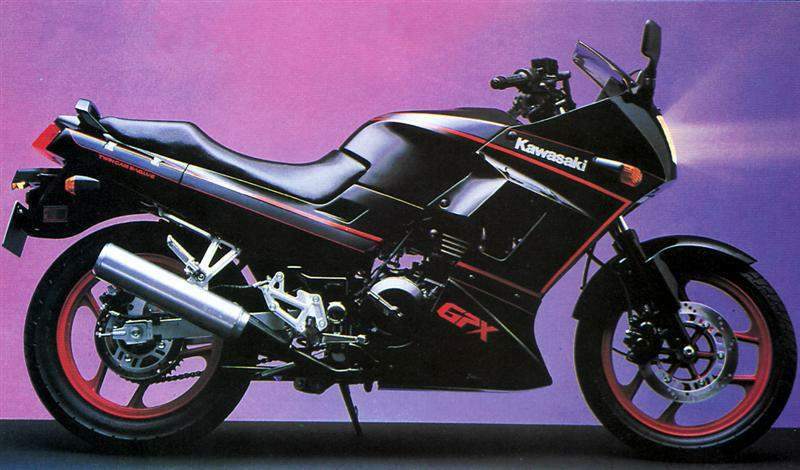
Starting with the 1989–1990 Kawasaki Ninja 250, this motorcycle is characterized by its 249cc parallel-twin engine, which produces a modest yet competent output typically in the range of 30 horsepower. Such a power rating, while unassuming compared to larger machines, is precisely what makes the Ninja 250 a reliable cradle for learners. The engine’s smooth power delivery inspires confidence rather than intimidation, allowing new riders to hone their throttle control and develop skills without fear of overwhelming acceleration. Additionally, its relatively light curb weight—hovering around 300 pounds—ensures maneuverability in urban traffic and ease of handling at low speeds. The compact frame and narrow profile aid in spontaneous lane weaving, essential for congested cityscapes.
Beyond engine specs, the Ninja 250’s ergonomics cater to comfort and control. The seating position features a slightly upright posture, striking a balance between sportiness and rider relaxation. Footpegs are positioned to provide adequate ground clearance for spirited cornering without demanding an aggressive crouch, thereby minimizing rider fatigue on longer commutes or casual weekend rides. This thoughtful ergonomics package contributes significantly to the Ninja 250’s reputation as an inviting platform for those taking their first steps into sportbike culture.
Contrastingly, the 1989–1990 Kawasaki Ninja 600 targets riders who have outgrown the beginner sphere and desire a step up in performance and handling complexity. Powered by a 592cc four-cylinder engine, the Ninja 600 delivers power in the neighborhood of 70 horsepower—more than double that of the Ninja 250. This exponential gain in output translates to brisk acceleration, higher top speeds, and a more thrilling, throaty exhaust note. However, this immense power demands respect and skill, as it can easily challenge less experienced riders unaccustomed to rapid throttle response and increased lean angles.
The Ninja 600’s frame and suspension are engineered with a more aggressive, race-inspired philosophy. Its stiff chassis coupled with sport-tuned suspension components allows for precise cornering and stability at elevated speeds. Unlike the 250’s forgiving geometry, the 600 requires a more engaged riding style, with positioning that favors a forward-leaning posture to enhance aerodynamics and control. The aggressive ergonomics, while beneficial for spirited rides and track use, may feel less comfortable during slow traffic or extended commutes, making the bike less approachable for beginners but immensely rewarding for performance enthusiasts.
One cannot discuss these motorcycles without acknowledging their historical context and contemporary relevance. The 1989–1990 era signified a turning point, where manufacturers like Kawasaki were intent on broadening the sportbike market by catering simultaneously to newbies and intermediate riders. The Ninja 250 functioned as a gateway drug to the adrenaline mile-high club, offering a platform to develop foundational skills safely. Meanwhile, the Ninja 600 represented the middleweight category that appealed to riders who craved more aggressive speed and dynamic handling but were not yet ready for the sheer power of liter-class superbikes.
For those researching which model to choose based on their experience level and riding aspirations, several factors merit consideration. Beginners typically find the Ninja 250 easier to control, affordable to maintain, and less intimidating psychologically. Its fuel efficiency and lower insurance costs further enhance its appeal. Moreover, this model’s ample aftermarket support and spare parts availability ensure accessibility for riders who want to customize or repair their motorcycle without significant cost or effort.
On the other hand, riders with a modicum of experience who seek to refine their handling skills at higher speeds or occasionally venture onto the track might gravitate toward the Ninja 600. This bike’s nimbleness at speed and responsiveness make it a versatile tool capable of commandeering both suburban roads and winding mountain passes. However, its greater weight and power necessitate a more mature and confident approach to riding, underscoring the fact that it is less suited to novices still mastering the basics.
Both motorcycles share the legacy of Kawasaki’s commitment to performance and style. The Ninja 250, with its sleek fairings and aggressive yet approachable aesthetics, demonstrates that sportbikes don’t have to be menacing to be desirable. Meanwhile, the Ninja 600 embodies the iconic sportbike silhouette with a sharper, more aggressive design language, underscoring its predatory capabilities on the street and track.
Ultimately, the decision between the 1989–1990 Kawasaki Ninja 250 and Ninja 600 pivots on rider objectives, skill level, and intended use. The 250 remains an exemplary choice for those embarking on their motorcycling journey or seeking a lightweight urban cruiser with sporty dynamics. The 600 appeals to those willing to manage a more formidable machine, capable of delivering exhilarating performance and advanced handling for thrilling rides.
In summation, the Ninja 250 and 600, though siblings by name and family origin, occupy distinct niches within the motorcycle spectrum. Each is expertly designed to fulfill particular roles—whether nurturing newcomers or exciting seasoned riders. The 250’s gentle power and user-friendly ergonomics make it an ideal starter, while the 600’s muscular engine and chassis sophistication carve its place as a beast befitting more experienced hands. Understanding these differences equips riders with the insight needed to match motorcycle and mindset, ensuring enjoyment and safety on every twist and turn.