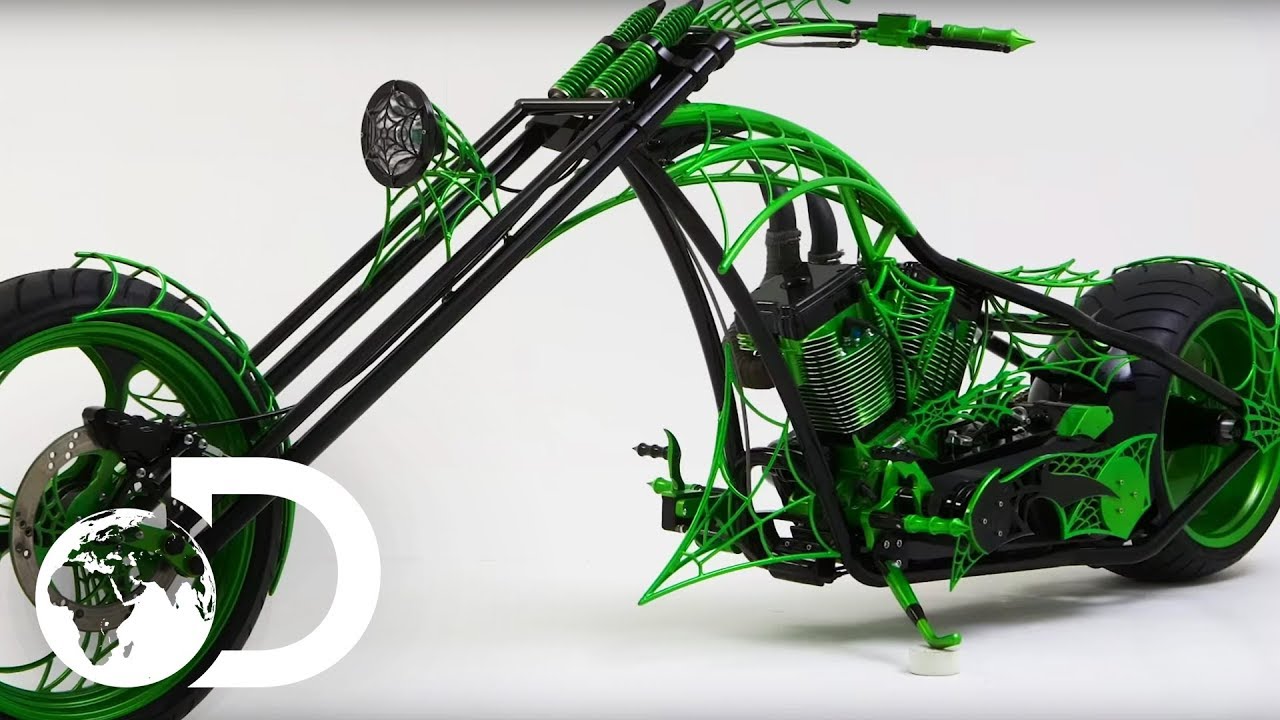
In the vast, neon-lit landscape of reality television, where fleeting trends flicker like dying embers, one show blazed a trail so fiery it didn’t just illuminate the path—it forged it. American Chopper wasn’t merely a program; it was a cultural wildfire, a symphony of sparks and steel that redefined the art of custom motorcycles while captivating millions. For over a decade, this Discovery Channel gem didn’t just entertain—it elevated the humble chopper from a niche obsession to a mainstream phenomenon, stitching together the raw passion of bike builders with the drama of family dynamics. It was more than television; it was a masterclass in craftsmanship, conflict, and the unbreakable bond between man and machine.
The Birth of a Mechanical Epic: How American Chopper Redefined the Art of the Chopper
Before American Chopper roared onto the scene in 2003, the chopper was a rebellious whisper in the garage, a whispered dream among outlaw bikers and grease-stained dreamers. These weren’t just motorcycles; they were rebellious sonnets carved from steel, each curve a stanza of defiance, each weld a punctuation mark in a language only true riders understood. But the world needed a translator—someone to take this esoteric art form and shout it from the rooftops. Enter Paul Teutul Sr., a man whose name would become synonymous with fire-breathing creativity and unapologetic stubbornness.
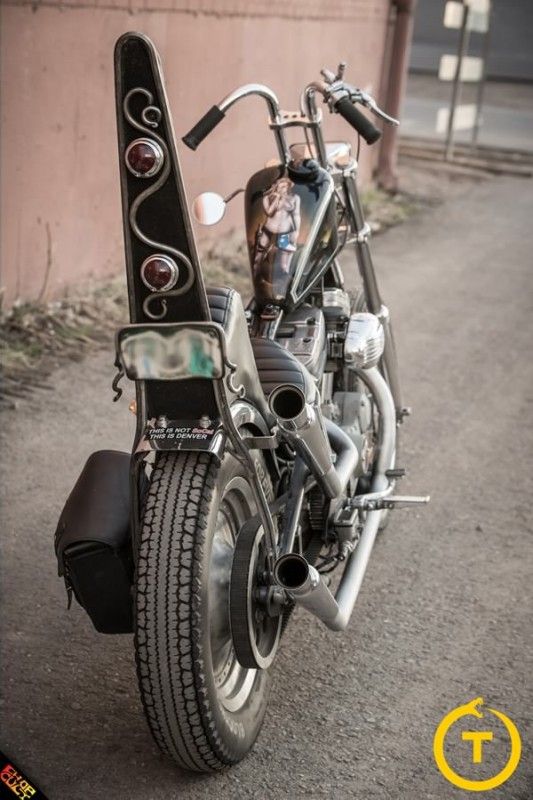
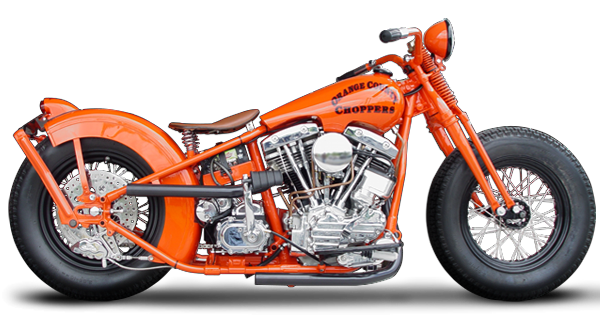
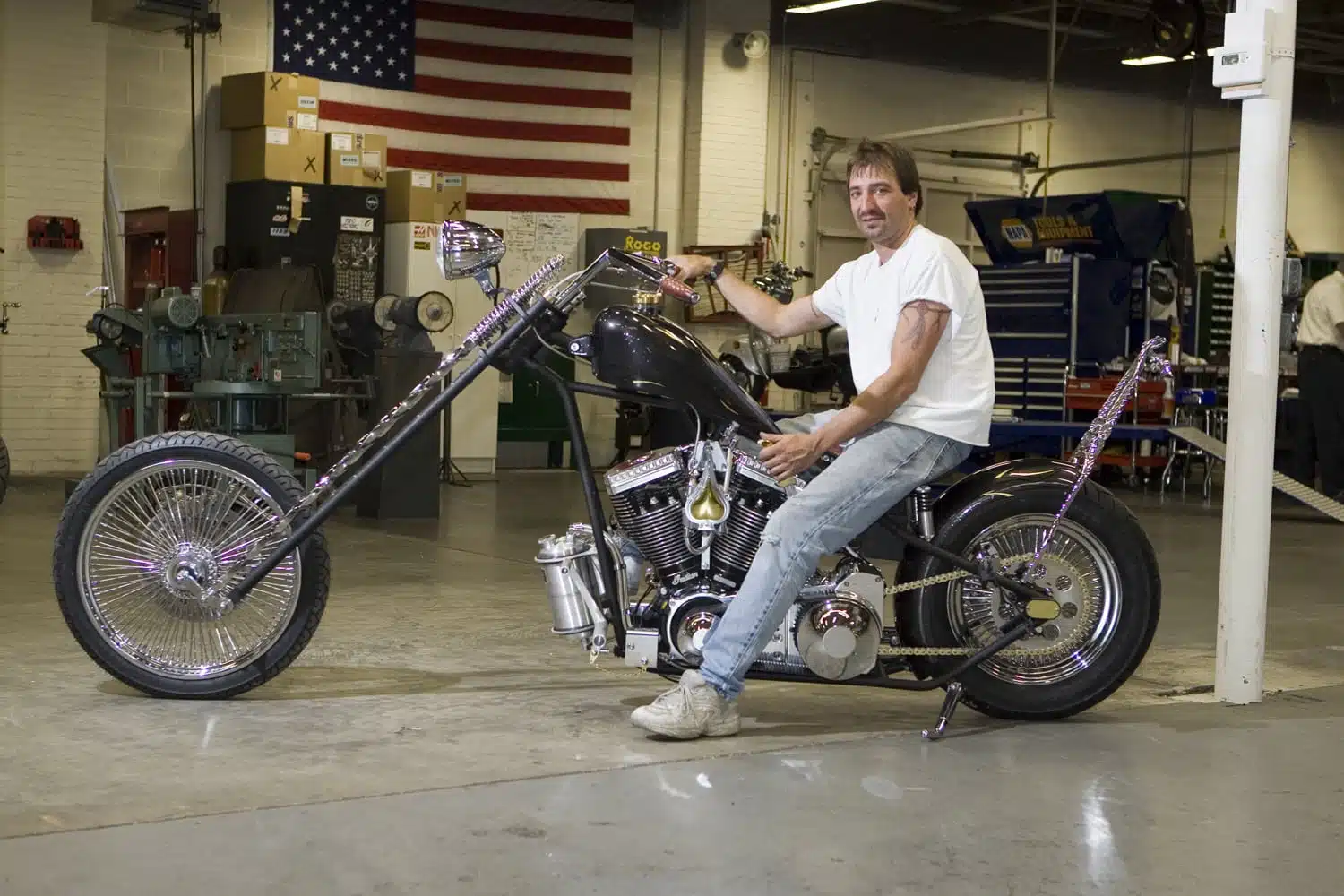
The show’s premise was deceptively simple: follow the Teutul family as they built custom choppers in their Orange County Choppers (OCC) workshop. Yet, beneath the surface, it was a crucible of creativity, where raw metal met raw emotion. Every bike was a canvas, and every episode a brushstroke in a larger-than-life mural. The choppers weren’t just machines; they were manifestos—rolling declarations of individuality, each one a testament to the idea that a motorcycle could be more than transportation. It could be a statement, a sculpture, a piece of the builder’s soul given form.
The Teutul Dynasty: A Family Forge of Fire and Fury
The heart of American Chopper wasn’t just the bikes—it was the Teutuls themselves, a family as combustible as the sparks flying from their welders. Paul Sr., the gruff patriarch with a heart of gold and a tongue sharper than a plasma cutter, was the show’s beating pulse. His son, Paul Teutul Jr., the golden-haired prodigy with a rebellious streak wider than a chopper’s extended forks, brought a youthful energy that clashed and complemented his father’s old-school grit. Together, they were a modern-day Daedalus and Icarus, building wings of steel that soared—or sometimes crashed—into the stratosphere of public fascination.
Their dynamic was the show’s secret sauce, a volatile mix of love, frustration, and unshakable loyalty. Viewers didn’t just watch them build bikes; they watched them build (and occasionally dismantle) relationships. The tension was palpable, the humor dry as desert air, and the moments of vulnerability—like when Paul Sr. admitted his fear of failure or when Paul Jr. struggled with self-doubt—made the Teutuls feel like family. In an era where reality TV often traded authenticity for spectacle, American Chopper delivered something rarer: genuine emotion, wrapped in the clatter of wrenches and the hum of engines.
The Bikes as Characters: Rolling Narratives of Rebellion and Artistry
Every chopper that rolled out of the OCC workshop wasn’t just a machine—it was a protagonist in its own right. These weren’t mere motorcycles; they were steel-and-leather odysseys, each one a hero’s journey from raw metal to roaring legend. Take the Fire Bike, for instance, a monstrous, flame-red beast that looked like it had been forged in the fires of Mount Vesuvius. It wasn’t just a bike; it was a statement, a two-wheeled inferno that demanded attention and respect. Or consider the Papa’s Bike, a tribute to Paul Sr.’s late father, a machine so personal it felt like a eulogy carved in chrome.
The choppers were more than functional art; they were emotional artifacts. Each one carried the weight of its builder’s dreams, fears, and triumphs. The American Chopper logo emblazoned on their tanks wasn’t just a brand—it was a badge of honor, a declaration that these bikes were born from a love of the craft and a refusal to conform. They were the motorized equivalents of Hemingway’s prose or Van Gogh’s brushstrokes: unapologetically bold, unmistakably human, and impossible to ignore.
The Workshop as a Cathedral: Where Steel Meets Soul
Step into the OCC workshop, and you weren’t just entering a garage—you were crossing the threshold of a cathedral, where the high priests of metal wielded their tools like sacred instruments. The space was a cathedral not of stained glass and hymns, but of sparks and sweat, where every weld was a prayer and every cut was a sermon. The walls, lined with tools and blueprints, bore the scars of a thousand battles—some won, some lost—but each one a testament to the relentless pursuit of perfection.

The workshop was where magic happened, where raw materials were transformed into objects of desire. It was a place of controlled chaos, where blueprints were scribbled on napkins, where arguments flared as hot as the welding torches, and where, against all odds, something beautiful emerged from the fire. To watch the Teutuls work was to witness creation in its rawest form—a reminder that the most extraordinary things in life are often built in the messiest of places.
Beyond the Garage: The Cultural Ripple Effect of American Chopper
The impact of American Chopper extended far beyond the confines of the Discovery Channel. It wasn’t just a show; it was a cultural earthquake, its tremors reshaping the landscape of custom motorcycles and reality television alike. Before the Teutuls, choppers were the domain of outlaw bikers and back-alley mechanics. After, they were mainstream icons, featured in museums, celebrated in pop culture, and coveted by enthusiasts and casual fans alike. The show turned the chopper from a subculture symbol into a global phenomenon, proving that passion could transcend boundaries.
It also redefined reality TV. While other shows chased drama for drama’s sake, American Chopper delivered authenticity. The conflicts weren’t manufactured; they were real. The emotions weren’t performative; they were palpable. Viewers didn’t just watch the Teutuls—they rooted for them, cringed with them, and celebrated their victories like they were their own. The show’s success proved that audiences craved substance over spectacle, and in doing so, it paved the way for a new era of reality programming.
The Legacy of Fire and Steel: Why American Chopper Still Burns Bright
Years after its final episode, the legacy of American Chopper endures like the afterglow of a welding torch. The bikes built on the show remain coveted treasures, their value not just in their craftsmanship but in the stories they tell. The Teutuls, though no longer under the same roof, continue to inspire new generations of builders and dreamers. And the spirit of the show—a relentless pursuit of passion, a refusal to compromise, and a love for the art of the possible—lives on in every custom chopper that hits the road.
In a world where fleeting trends come and go like passing motorcycles, American Chopper stands as a monument to the power of perseverance and the magic of making things by hand. It was more than a show; it was a movement. A symphony of sparks and steel, of fire and fury, that reminded us all that the most extraordinary things in life are often the ones we build ourselves—one weld, one wrench, one wild dream at a time.