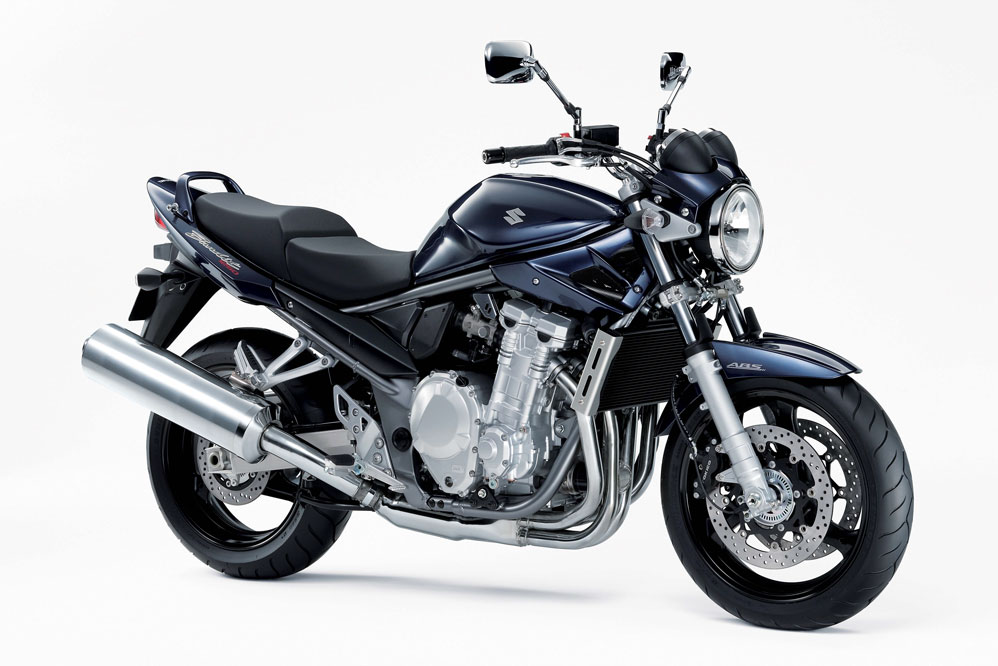
The 2007 Suzuki Bandit 1250 stands as a compelling paradox within the motorcycling community. Often overlooked in favor of flashier sportbikes or overtly aggressive naked machines, this particular model embodies an understated potency that commands respect. It is an underrated power machine, a fact that becomes evident the moment one takes hold of its handlebars and feels the raw, unfiltered energy coursing through its veins. Beneath its deceptively ordinary façade lies a motorcycle with a character all its own—one that transcends mere horsepower figures and performance charts to ignite a deeper fascination among enthusiasts and casual riders alike.
At first glance, the 2007 Suzuki Bandit 1250 might seem modest, a straightforward embodiment of the classic naked bike ethos. Yet, appearances deceive. The foundation of its allure is the robust, fuel-injected, air-and-oil-cooled inline-four engine displacing 1255cc. Delivering approximately 98 horsepower and a muscular torque curve, this powerplant ensures the Bandit is far from a run-of-the-mill commuter bike. It offers a commanding surge of acceleration, especially in the mid-range, that provides both thrilling overtaking capabilities and a confidence-inspiring ride in varied scenarios. The engine’s character is smooth but forceful, blending refinement with substantial thrust, which appeals to riders who crave versatility without sacrificing excitement.
The Bandit 1250’s relative anonymity in the market springboards from multiple factors. It occupies an interesting niche, marrying comfort and practicality with raw performance. In a landscape dominated by the stereotypical super-naked beasts and high-tech sportbikes, the Bandit’s restrained styling and conservative ergonomics fail to steal the spotlight at first. However, this restraint also underpins its universal usability. The upright riding position, plush yet responsive suspension, and broad, grippy tires all reinforce the bike’s dual nature—equally at home in urban grids as it is on winding country roads.
One cannot ignore the weight-to-power ratio, which contributes to the Bandit’s underappreciated dynamism. Although it tips the scales at roughly 520 pounds (dry), its taut chassis and balanced geometry mitigate this bulk, providing nimble handling characteristics that surprise many who encounter it. Riding the Bandit 1250 is an exercise in refined control rather than brute force, an attribute that fosters a symbiotic relationship between rider and machine. This harmonious interaction is often cited by seasoned riders as a significant factor behind the Bandit’s enduring appeal. It rides like a heavyweight with the agility of a middleweight—an uncommon blend that encourages spirited riding without overwhelming the pilot.
The extensive aftermarket support and modification potential further elevate the Bandit 1250’s standing among connoisseurs. Customizers and tuners appreciate its robust platform for enhancements, whether that involves suspension upgrades, exhaust modifications, or cosmetic refinements that transform the bike’s persona. This adaptability underlines the Bandit’s role as a canvas for personal expression while never compromising structural soundness or ride quality. Consequently, the Bandit morphs seamlessly between a daily workhorse and a spirited weekend weapon without losing its intrinsic character.
Delving deeper, the motorcycle embodies a fascinating balance between traditional engineering philosophy and modern technology. Unlike contemporary sportbikes cluttered with electronic aids and digital interfaces designed to mediate rider inputs, the 2007 Bandit 1250 invites a more raw engagement. Its simplicity in design—eschewing invasive computer controls—cultivates a purist riding experience that appeals to motorcyclists seeking a visceral connection with the road. This analog approach fosters instinctive riding skills and demands a rider’s full attention, rewarding skill and precision with genuine mechanical feedback. It’s an ethos that, in a world racing towards automation, feels refreshingly authentic.
The Bandit’s inherent practicality also merits attention. Equipped with a capacious fuel tank approaching five gallons, it enables extended journeys with fewer interruptions. This, combined with ergonomics designed for comfort across long distances, positions the Bandit as an alluring contender within the sport-touring spectrum. Commuters benefit from its reliable engine and manageable dimensions, while weekend adventurers appreciate its tolerance for luggage and passenger accommodations. Indeed, the 1250 strikes a rare chord by simultaneously satisfying the quotidian demands of regular travel and the exhilaration-seeking impulses of spirited riding.
Stylistically, the 2007 Bandit encapsulates the essence of understated confidence. Its design is functional, adeptly blending minimalist aesthetics with purposeful lines that hint at its latent power. The headlamp and instrument cluster arrangement, though conventional, serve their roles without distraction. This avoids the visually overstated trends prevalent in many contemporaries, appealing to riders who prefer substance over style-driven flamboyance. The Bandit’s timelessness is arguably rooted in this balance—its clean, pragmatic appearance eschews obsolescence, allowing it to age gracefully within the ever-shifting motorcycle landscape.
Maintenance and reliability contribute significantly to the model’s allure. Suzuki’s engineering pedigree shines through in the Bandit 1250’s durable components, ease of serviceability, and general robustness. Riders attest to the bike’s longevity and the relative simplicity with which repairs and upkeep can be performed, even years after initial release. This reliability underpins the Bandit’s reputation as a trustworthy ally in everyday scenarios as well as spirited escapades. It is a machine that inspires confidence not just through performance, but through dependability—a critical consideration often overshadowed by headline-grabbing specifications.
In essence, the 2007 Suzuki Bandit 1250 emerges as a motorcycle whose magnetism unfolds through experience rather than immediate visual impact or aggressive marketing. It invites riders to uncover layers of character hidden beneath a modest silhouette, rewarding exploration with a compelling blend of power, control, and comfort. This intriguing interplay between accessibility and potency elevates the Bandit beyond the label of a mere “underrated” machine—it transforms it into an enduring icon of motorcycling substance over style.
In summary, the Bandit 1250 is not merely a relic of the past, but a timeless testament to balanced motorcycle design. Its ability to seamlessly integrate potent performance with everyday practicality, all wrapped in an unpretentious package, speaks volumes about Suzuki’s engineering philosophy. It challenges prevailing notions of desirability, reminding enthusiasts that sometimes, the greatest fascination lies not in loud declarations, but in the quiet confidence of an understated power machine. For those willing to look beyond the surface, the 2007 Suzuki Bandit 1250 offers a richly rewarding journey—one marked by enduring appeal, versatile performance, and an unyielding connection to the open road.